Ever caught yourself staring at two tubs on a shelf, one says marine collagen, the other says plant collagen, and thought:
“Okay but which one will actually make my skin look younger?”
You’re not alone. And the skincare industry hasn’t made this any easier. Some say marine collagen is the “real deal”, while some swear plant collagen is the “cleaner, smarter science.”
So let’s settle this with science, not noise and in a way that’s easy to understand.
What is Marine Collagen?

Marine collagen, derived from fish skin or scales, contains Type I collagen, the dominant collagen in human skin. Its amino acid profile (rich in glycine, proline, hydroxyproline) makes it uniquely suited for dermal rebuilding.
But its greatest advantage is bioavailability. Low molecular weight fish collagen peptides, also known as hydrolysed collagen (2,000–5,000 Da), consistently demonstrate superior absorption, with studies showing 2.3× higher hydroxyproline-glycine formation compared to porcine collagen. These circulating peptides are what stimulate fibroblasts (NIH).
Because these peptides reach the skin efficiently, marine collagen can actively support firmness, reduce fine lines, boost elasticity, and enhance moisture levels.
-
Supports dermal collagen structure: Marine collagen supplies Type I collagen peptides, the same structural protein your dermis is losing with age. These bioactive peptides integrate into the collagen matrix, helping rebuild skin firmness and density from within (NIH).
-
Improves elasticity: By stimulating fibroblasts, marine collagen enhances the production of elastic fibers that give skin its bounce. Clinical studies show 20% improvements in elasticity within 6 weeks as the skin regains its ability to stretch and retract smoothly (NIH).
-
Reduces collagen breakdown: Marine peptides help regulate enzymes like MMP-1, which accelerate collagen degradation. By reducing these enzymes and boosting their inhibitors, marine collagen protects existing collagen and slows visible aging (NIH).
-
Enhances moisture retention: Marine collagen increases glycosaminoglycan synthesis, the molecules that hold water in the skin. This leads to deeper, long-lasting hydration, leaving the complexion plumper, softer, and more resilient (NIH).
-
Smooths fine lines and surface roughness: As collagen density improves, the skin’s surface becomes more even. Marine collagen helps visibly reduce fine lines, smoothen texture, and soften rough patches, giving the skin a more refined, youthful appearance (NIH).
Marine collagen works because it directly supplies the amino acids your skin needs to rebuild itself.
What is Plant Collagen?

Plant collagen, derived from vegetables like broccoli and carrot, uses biomimetic Type I & III collagen peptides engineered to mirror the amino acid sequence of human collagen. Through enzymatic hydrolysis, these peptides are broken into smaller, highly bioavailable chains that your fibroblasts can easily recognize.
But its greatest advantage is its collagen-stimulating intelligence. Instead of supplying collagen directly, plant collagen activates your body’s own collagen-production pathways. Key cofactors such as hyaluronic acid, astaxanthin, and resveratrol further support hydration, barrier strength, and oxidative protection.
This is why plant collagen delivers visible improvements, stimulating firmness, boosting hydration, refining texture, and supporting smoother, more resilient skin.
-
Supports Natural Collagen Synthesis: Biomimetic peptides signal fibroblasts to increase the production of Type I & III collagen. This helps restore dermal density and gives the skin a firmer, more lifted structure over time (NIH).
-
Improves Skin Hydration: Plant collagen enhances the skin’s ability to attract and retain moisture through hyaluronic acid and amino acid pathways, strengthening the barrier and improving suppleness (NIH).
-
Reduces Fine Lines and Wrinkles: A 2024 clinical trial showed that plant collagen peptides reduced wrinkles by 51% in 60 days, confirming its strong collagen-stimulating effect (NIH).
-
Enhances Skin Smoothness and Texture: By supporting both epidermal renewal and dermal structure, plant collagen helps refine surface texture, reducing roughness and promoting a smoother, more even complexion (NIH).
-
Boosts Skin Elasticity: As fibroblasts increase collagen and elastin output, the skin gradually regains its natural bounce, holding its shape better and resisting daily mechanical stress (NIH).
So, plant collagen doesn’t replace collagen, it stimulates your skin to make more.
Marine Collagen vs Plant Collagen: A Clear, Simple Comparison
While both marine and plant collagen support healthier, more youthful skin, they do so through fundamentally different biological pathways. Marine collagen replenishes lost collagen directly, whereas plant collagen reactivates your skin’s natural collagen-production system.
This table simplifies those distinctions, helping you understand how each one works and which aligns better with your skin and lifestyle needs.
|
Parameter |
Marine Collagen |
Plant Collagen |
|
Source |
Fish skin or scales |
Broccoli & carrot–derived biomimetic peptides |
|
Collagen Type |
Type I collagen peptides |
Mimics Type I & III collagen amino acid profile |
|
Mechanism |
Direct collagen replenishment |
Stimulates natural collagen synthesis |
|
Bioavailability |
Very high (2,000–5,000 Da hydrolysed peptides) |
High (enzymatically hydrolyzed peptides) |
|
Primary Skin Benefits |
Firmness, elasticity, hydration, structural repair |
Hydration, smoothness, wrinkle reduction, barrier support |
|
Clinical Highlight |
20% improvement in elasticity within 6 weeks (NIH) |
51% wrinkle reduction in 60 days (NIH) |
|
Best For |
Fast structural improvement & dermal rebuilding |
Vegan-friendly collagen stimulation & texture refinement |
|
Diet Suitability |
Non-vegetarian |
Vegetarian / vegan |
|
Overall Approach |
Supplies collagen directly |
Reactivates your body’s collagen-building machinery |
Both work but they just work differently.
Which One Should You Choose?

With both forms showing strong clinical benefits, the right collagen ultimately depends on your skin goals and your dietary preferences. Each pathway offers a distinct advantage and choosing the right one means choosing the science that aligns best with your lifestyle.
Choose Marine Collagen If You Want:
-
Faster, deeper structural repair
-
A visible boost in elasticity and firmness
-
Improved hydration at the dermal level
-
Smoother skin with reduced fine lines
If this is your goal, Wellbeing Nutrition’s Marine Collagen is a highly effective option. Sourced from wild-caught deep-sea fish, it provides:
-
Type I hydrolyzed marine collagen peptides (2–5 kDa for superior absorption)
-
Heavy-metal tested, mercury-free sourcing
-
High bioavailability for faster results
-
Enhanced skin, hair, and nail support
It’s ideal for those looking for rapid, clinically validated improvements in skin bounce, firmness, and moisture.
Choose Plant Collagen If You Want:
-
A vegan, gentle, plant-based pathway
-
To stimulate your body’s own collagen production
-
Better texture, smoothness, and barrier strength
-
Antioxidant and hydration support alongside collagen benefits
If this resonates more with you, Wellbeing Nutrition’s Vegan Collagen is an advanced plant-based option. It features:
-
Biomimetic plant collagen peptides that mirror Type I & III collagen
-
Broccoli + carrot–derived peptides for fibroblast activation
-
Hyaluronic acid for hydration
-
Astaxanthin and resveratrol for antioxidant and anti-aging support
-
A 100% clean, plant-derived formula
This is perfect for those seeking collagen-boosting benefits without animal-derived ingredients, while still wanting clinically proven improvements in wrinkles, hydration, and skin smoothness.
The Bottom Line
If you want direct collagen replenishment, marine collagen is your best match. If you want collagen stimulation with botanical support, plant collagen is ideal.
Both are scientifically validated, improving skin in meaningful ways and both can integrate effortlessly into your daily routine.
Choosing the right one is simply about choosing what aligns with your biology and your values.
FAQs
1. What is the difference between collagen and marine collagen?
“Collagen” is a general term for the structural protein found in skin, joints, and connective tissues. Marine collagen specifically refers to Type I collagen derived from fish skin or scales..
2. Is plant collagen as effective as marine collagen?
Plant collagen doesn’t contain collagen itself, instead, it uses biomimetic peptides and nutrients that stimulate your own collagen production. Marine collagen replenishes collagen directly. Both are effective but work through different biological mechanisms, and results depend on individual skin goals and preferences.
3. Can I take marine collagen and plant collagen together?
Yes. Marine collagen provides direct collagen peptides, while plant collagen stimulates natural collagen synthesis and offers antioxidant protection. Combining them can support both immediate structural repair and long-term collagen renewal.
4. How long does it take to see results from collagen supplements?
Most people begin noticing improvements in hydration within 3–4 weeks, with firmer skin, reduced fine lines, and better texture appearing around 8–12 weeks. Consistency is the key.
5. Is marine collagen safe for daily use?
Yes. High-quality marine collagen from reputable brands like Wellbeing Nutrition is clean, mercury-free, and tested for purity. It is safe for daily consumption and suitable for long-term use.
6. Who should choose vegan collagen instead of marine collagen?
Vegan collagen is ideal for individuals following a plant-based lifestyle or those who prefer non-animal sources. It’s also suited for people focused on hydration, smoothness, barrier repair, and antioxidant support without using marine-derived ingredients.
7. What are the benefits of Wellbeing Marine Collagen?
Wellbeing Marine Collagen supports skin elasticity, firmness, and hydration through highly bioavailable Type I collagen peptides. It helps reduce fine lines, strengthens the skin barrier, and promotes healthier hair and nails, thanks to its clean, mercury-free, wild-caught sourcing.

Recommended Products
 Beauty Collagen Strawberry Watermelon Flavour
₹1,939 – ₹7,196
Beauty Collagen Strawberry Watermelon Flavour
₹1,939 – ₹7,196
 Glutathione Skin Fuel Pro+ Valencia Orange Flavour
₹879 – ₹5,275
Glutathione Skin Fuel Pro+ Valencia Orange Flavour
₹879 – ₹5,275
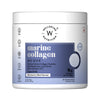 Korean Marine Collagen - Blueberry Mint
₹1,018 – ₹1,993
Korean Marine Collagen - Blueberry Mint
₹1,018 – ₹1,993
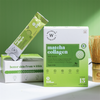 Matcha Collagen
₹1,614
Matcha Collagen
₹1,614
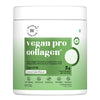 Vegan Pro Collagen Lemon Lime
₹1,745 – ₹3,418
Vegan Pro Collagen Lemon Lime
₹1,745 – ₹3,418