Collagen conversations usually begin with the same question: which one should I actually take? If you have been scanning beauty shelves or scrolling through wellness pages, you have probably come across the two big contenders in the glow game. Marine collagen vs plant based collagen. Both are celebrated, both are backed by science, and both promise firmer skin and better aging outcomes. The real difference lies in how they work inside your body and how well they fit your lifestyle.
Before diving in, remember one thing. Collagen is not a trend. It is the most abundant structural protein in your body. Skin firmness, joint cushioning, hair strength, nail resilience, and gut lining integrity all depend on it. Natural collagen production starts slowing down after your mid twenties. By forty, the decline is significant enough to show up as dullness, rough texture, deeper lines, joint stiffness, or slower recovery. This is where supplementation becomes helpful.
Let’s break down the benefits of both marine collagen and plant based collagen so you can make an informed and personalised choice.
Understanding Marine Collagen

Marine collagen is typically sourced from fish skin or scales and is rich in Type I collagen. Type I is the same type found in your skin, bones, and connective tissues. Because of its smaller molecular size, it is known for faster absorption and high bioavailability. These factors make marine collagen especially popular among beauty enthusiasts.

Marine collagen advantages and benefits
-
Supports skin elasticity
Hydrolyzed marine collagen peptides are rapidly absorbed and help stimulate fibroblasts, the cells responsible for producing new collagen. Regular intake supports smoother texture and better bounce.
-
Helps reduce fine lines and wrinkles
Multiple human studies show improved dermal density and hydration with marine collagen supplementation. With consistent use, there is a visible softening of lines.
-
Strengthens hair and nails
Marine collagen supports keratin formation which helps reduce breakage and brittleness.
-
Joint and bone support
Type I collagen helps maintain cartilage health and enhances recovery after physical activity.
-
Gut support
Marine collagen contributes to a stronger gut lining which is helpful for people dealing with sensitivity or inflammation.
Note:
Marine collagen allergies to watch-out for - If you are allergic to fish or shellfish, always check labels carefully. Symptoms may include mild itching, hives, or digestive discomfort. In such cases, switching to a plant based collagen building formula is a safer option.
Understanding Plant Based Collagen or Vegan Collagen

Here is an important truth. Plants do not contain collagen. They contain nutrients that help your body make its own collagen. These formulations are often called vegan collagen or plant based collagen. They provide amino acids, antioxidants, vitamins, and phytonutrients that activate fibroblasts and strengthen natural collagen synthesis.
Plant based collagen benefits
-
Boosts your body’s collagen production naturally
Ingredients like vitamin C, resveratrol, plant peptides, minerals, and phytonutrients work together to support fibroblast activity and improve dermal regeneration.
-
Rich antioxidant profile
Plant derived compounds help protect existing collagen from environmental damage which slows down visible aging.
-
Suitable for vegan and vegetarian lifestyles
A clean, animal free alternative for those who avoid marine or bovine sources.
-
Hydration support
Many plant based blends include hyaluronic acid which helps retain moisture in the skin.
-
Holistic skin nourishment
Vegan collagen blends bring a broad spectrum of nutrients beyond just amino acids. These nutrients support glow, pigmentation balance, and elasticity.
Marine Collagen vs Plant Collagen: Which works better

The answer depends entirely on your biology, lifestyle, and dietary preference.
If you want a direct collagen source with high absorption and fast textural improvements, marine collagen is strong. If you have a vegetarian or vegan lifestyle or want a more antioxidant rich approach that strengthens natural collagen pathways, plant based collagen works beautifully.
Many people also combine both approaches. Marine collagen for structural support and plant based collagen for antioxidant protection and fibroblast stimulation.
Daily lifestyle habits that strengthen collagen results
Supplements give you the raw materials, but your habits decide how much of those benefits you actually feel.
-
Hydration matters
Collagen binds water. When hydration is low, results slow down. Aim for 8 to 10 glasses a day and include electrolytes when training.
-
Protein rich meals
Your body uses amino acids like glycine, proline, and lysine to build collagen. Include legumes, lentils, tofu, eggs, or fish depending on your diet.
-
Antioxidant rich foods
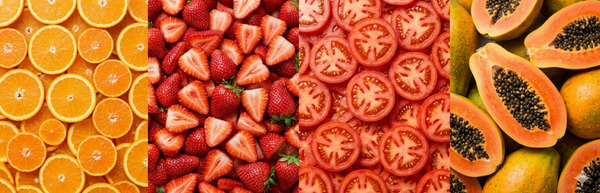
Berries, citrus fruits, tomatoes, green tea, and herbs reduce oxidative stress and protect existing collagen.
-
Healthy fats
Omega 3 fats support skin barrier health and help lock in moisture. Walnuts, chia seeds, flaxseeds, and salmon are good options.
-
Consistent sleep routines
Nighttime is when collagen synthesis peaks. Prioritising sleep helps enhance results.
-
Sun protection
UV exposure breaks down collagen faster. Sunscreen is essential if you want visible improvement.
Supplement Integration Tips
If you are choosing a clean and effective plant based collagen, look for a formula with clinically validated ingredients.
Wellbeing Nutrition offers a vegetarian collagen peptide blend created entirely from plant sources like broccoli and carrots. It stimulates fibroblast cells and enhances natural collagen production. Each serving delivers 5 grams of Type 1 and Type 3 vegan pro collagen with Astaxanthin, Hyaluronic Acid, Resveratrol, Vitamin C, and Vitamin E. This combination helps reduce wrinkles and supports youthful texture.
If you prefer a marine sourced option, their Hydrolyzed Type I and Type III Korean Marine Collagen Peptides are among the finest available. Sourced sustainably from deep sea salmon and backed by more than 20 clinical studies, it supports hydration, elasticity, skin firmness, and joint health. The powder is completely flavourless and blends easily into coffee, water, or smoothies.
Choosing between the two comes down to what aligns with your routine. A vegetarian blend helps build collagen naturally. A marine peptide powder offers a ready to absorb collagen boost.
Easy collagen recipes to add to your day
Adding collagen to your meals is simpler than you think. You can try:
-
Morning collagen coffee
A scoop of marine collagen powder stirred into black coffee or oat milk latte.
-
Glow smoothie
Add plant based collagen, berries, spinach, and chia seeds for a nourishing start.
-
Protein rich yoghurt bowl
Greek yoghurt or coconut yoghurt mixed with a spoon of collagen and topped with nuts or fruits.
-
Bedtime elixir
Plant based collagen blended into warm almond milk with cinnamon.
-
Hydration water
Marine collagen mixed into plain water for a mid afternoon skin boost.
Bottom Line
Both marine collagen and plant based collagen have a place in modern beauty and wellness. Marine collagen delivers fast acting structural support while plant based collagen strengthens your natural collagen pathways with antioxidants and phytonutrients. When paired with hydration, nutrient dense meals, sleep, and sun protection, their results become even more noticeable. Choose the one that fits your lifestyle, your values, and your biology and you will see your skin respond with clarity, bounce, and long lasting radiance.
FAQs
1. Is marine collagen better than plant based collagen for skin health?
Marine collagen provides direct Type I peptides that support elasticity and hydration. Plant based collagen stimulates natural collagen production through vitamins and phytonutrients. Both work well depending on your lifestyle and dietary preference.
2. What are the key marine collagen benefits?
Marine collagen helps improve skin texture, supports joint health, strengthens hair and nails, and enhances hydration due to its high bioavailability.
3. Can plant based collagen give the same results as marine collagen?
Plant based collagen supports fibroblast activity and protects existing collagen with antioxidants. Results are gradual and suit vegan or vegetarian users.
4. What is vegan collagen and how does it work?
Vegan collagen provides plant derived nutrients like vitamin C, resveratrol, amino acids, and minerals that help your body produce more collagen naturally.
5. Can marine collagen cause allergies?
People with fish or shellfish sensitivities may experience reactions. Anyone with a marine collagen allergy should switch to a plant based collagen builder.
6. How do I choose between marine collagen and plant based collagen?
Choose marine collagen for fast absorption and visible firmness. Choose plant based collagen for antioxidant rich support and vegan preferences. A clinically backed, clean formula makes the biggest difference.
7. Do collagen supplements work better with diet and hydration?
Yes. Adequate hydration, protein intake, antioxidants, and healthy fats help improve collagen utilisation, giving you faster and more noticeable results.
8. Can I add collagen supplements to daily recipes?
Both marine and plant based collagen blend well into coffee, smoothies, yoghurt bowls, or warm milk. Collagen recipes make daily supplementation simple and enjoyable.
9. Is plant collagen good for you?
Yes. Plant based collagen blends are rich in antioxidants and amino acids that support natural collagen synthesis and overall skin resilience.
10. What exactly is plant collagen?
Plant collagen is not actual collagen. It is a combination of vitamins, phytonutrients, and plant peptides that activate fibroblast cells to enhance natural collagen production.
11. Which is the best plant based collagen?
The best plant based collagen offers amino acids, antioxidants, vitamin C, and hyaluronic acid for complete support. A clean option is one that uses plant derived peptides and phytonutrients to strengthen collagen pathways.
12. What is marine collagen used for?
Marine collagen is used to support skin firmness, elasticity, hydration, hair strength, nail health, joint comfort, and gut integrity.
13. Does marine collagen really work?
Yes. Its small peptide size allows rapid absorption, leading to improvements in hydration, texture, elasticity, and overall dermal density.
14. What happens if I take marine collagen every day?
Daily use helps maintain consistent collagen levels. Over time, many people notice smoother skin, stronger hair and nails, better joint comfort, and improved gut strength.
15. Is marine collagen safe for daily use?
Marine collagen is safe for most people. Those with fish allergies should avoid it and choose a plant based alternative.
16. What are the benefits of Wellbeing Nutrition marine collagen?
It provides hydrolyzed Type I and Type III peptides with high bioavailability that support skin texture, hydration, elasticity, hair strength, nails, joints, and gut health.

Recommended Products
 Beauty Collagen Strawberry Watermelon Flavour
₹1,939 – ₹7,196
Beauty Collagen Strawberry Watermelon Flavour
₹1,939 – ₹7,196
 Pure Korean Marine Collagen Peptides | Unflavored | Combat Signs of Ageing
₹1,745 – ₹6,476
Pure Korean Marine Collagen Peptides | Unflavored | Combat Signs of Ageing
₹1,745 – ₹6,476
 Vegan Pro Collagen Mixed Berries
₹1,745 – ₹3,418
Vegan Pro Collagen Mixed Berries
₹1,745 – ₹3,418
 Vegan Pro Collagen Lemon Lime
₹1,745 – ₹3,418
Vegan Pro Collagen Lemon Lime
₹1,745 – ₹3,418