You've had a long day. Maybe you were stuck in traffic for an hour, had back-to-back meetings, dealt with the chai going cold twice, and now it's 11 PM and you're lying in bed with your brain running at full speed. You're exhausted, but you just can't sleep.
Sound familiar? This isn't just tiredness. This is cortisol doing its thing at the wrong time.
What Even is Cortisol?
Cortisol is your body's primary stress hormone. Think of it as your internal alarm system: it's what wakes you up in the morning, helps you handle pressure, and keeps you alert when you need to be.
The problem? In today's world, with work deadlines, family responsibilities, WhatsApp notifications at midnight, and the general chaos of Indian urban life, that alarm system is going off all day. And by the time you hit the pillow, it still hasn't switched off.

The good news: there are simple, science-backed things you can do in the evening to lower cortisol naturally before bed. No expensive equipment, no complicated routines.
1. Step Away from Your Phone (At Least 30 Minutes Before Bed)
We know. You've heard this a hundred times. But here's why it matters for cortisol specifically.
Scrolling through news, social media, or work emails keeps your brain in a state of low-grade alertness. Your nervous system can't tell the difference between a scary reel and an actual threat. Both spike cortisol. A 2021 review published in Sleep Medicine Reviews found that evening screen exposure was significantly associated with delayed sleep onset and elevated stress markers in adults.[NIH]
Try swapping the last 30 minutes of screen time with something low-stimulation: reading a physical book, doing light stretching, or just sitting with a cup of warm milk (more on that next).
2. Have a Cortisol-Lowering Bedtime Snack
Yes, what you eat (or drink) in the evening matters for your stress hormones.
Warm haldi doodh (turmeric milk) isn't just dadi's advice. The tryptophan in milk supports serotonin production, which then converts to melatonin (your sleep hormone), signalling your body to wind down.
Bananas are a great option too. They're rich in magnesium and potassium, both of which support muscle relaxation and nervous system calming.
Foods that lower cortisol and are worth adding to your evening routine include:
-
Dark chocolate (small piece, yes really!)
-
Walnuts
-
Chamomile or ashwagandha tea
-
Curd / yoghurt (probiotic-rich foods support the gut-brain axis, which directly affects cortisol regulation)
A 2017 randomised controlled trial in Psychoneuroendocrinology found that probiotic supplementation over 4 weeks led to significantly lower cortisol levels in healthy adults compared to placebo.[NIH]
So yes, your evening bowl of curd is doing more than you think.
3. Try Slow, Deep Breathing for Just 5 Minutes
This one sounds too simple to work. It's not.
Your body has a built-in off switch called the parasympathetic nervous system, the "rest and digest" mode. Slow, controlled breathing activates it almost immediately, which directly reduces cortisol release.
A 2017 randomised trial in Frontiers in Psychology showed that participants who practised slow breathing (around 6 breaths per minute) for 8 weeks had significantly lower salivary cortisol levels than the control group. [NIH]
Try the 4-7-8 method: breathe in for 4 seconds, hold for 7, exhale for 8. Do this 4–5 times. It feels slightly awkward at first. After a week, it becomes one of the most effective things in your bedtime toolkit.
4. Take a Warm Shower Before Bed
A warm shower at night does two things: it relaxes tight muscles (which hold physical stress) and causes a drop in your core body temperature right after. That drop is a signal your brain reads as "time to sleep."
This temperature drop is associated with increased melatonin secretion and lower evening cortisol. A meta-analysis in Sleep Medicine Reviews (2019) confirmed that passive body heating (like a warm bath or shower) 1–2 hours before bed improved sleep quality and reduced sleep onset time significantly.[NIH]
Make it your wind-down ritual. Add a few drops of lavender oil if you like. Lavender has been shown in human trials to reduce anxiety and lower cortisol markers when used aromatically.
5. Write Down Your Worries (The "Brain Dump" Method)
One of the biggest reasons cortisol stays high at night is unfinished mental business: the things you didn't do, the things you're anxious about, the to-do list spinning in your head.

A landmark study published in the Journal of Experimental Psychology (2018) found that writing a to-do list of tasks for the next day before bed helped participants fall asleep faster by offloading "cognitive arousal." [NIH] When your brain knows things are written down, it lets go. And cortisol follows.
6. Keep Your Dinner Light and Early
Eating a heavy meal right before bed forces your digestive system into overdrive, which can spike insulin and cortisol simultaneously. This is especially relevant in Indian households where dinner sometimes happens at 9 or 10 PM.
Try to eat dinner at least 2–3 hours before sleeping. Keep it lighter in the evenings. Dal, sabzi, roti works better than a full biryani at midnight.
If you're hungry close to bed, go for a small, easy-to-digest snack like seeds or nuts rather than a full meal.
This alone can meaningfully lower your cortisol before bed, especially for those with digestive sensitivity.
7. Create a "Wind-Down Signal" for Your Body
Your body loves patterns. When you do the same sequence of things every night, your nervous system starts to associate that routine with safety and rest, and begins lowering cortisol in anticipation.
This could look like: dim the lights → put on soft music → warm milk → 5 minutes of breathing → sleep. The specific activities matter less than the consistency.
Think of it the same way a child calms down with a bedtime routine. Adults aren't that different. Over 2–3 weeks, your body's cortisol curve will begin to shift naturally.
A Word on Supplements
Some people find additional support helpful. A few worth knowing about:
-
Magnesium (magnesium glycinate or malate form): supports nervous system relaxation and sleep quality. Often deficient in Indian diets.
-
Ashwagandha Oral Strips: an adaptogen with good clinical evidence for reducing cortisol, especially convenient for those who don't like swallowing capsules.
-
Melatonin (5-10 mg): helps reset the sleep-wake cycle, useful for shift workers or those with irregular schedules. Start low (melatonin 5 mg) before trying melatonin 10 mg.
Always check with your doctor before starting any supplement, especially if you're on medication.
Key Takeaways
-
Cortisol naturally should drop at night. Your lifestyle choices either help or hinder this process.
-
Screen time, late heavy meals, and unmanaged mental stress are the three biggest cortisol-keeping habits to tackle first.
-
Slow breathing is the fastest, most accessible tool to activate your body's calming system, and it works within minutes.
-
Food matters: probiotic-rich foods, magnesium-containing snacks, and warm milk all have genuine science behind them.
-
Consistency beats perfection. A simple evening routine done every night will do more for your cortisol levels than any single intervention done once in a while.
Frequently Asked Questions
1. What is the fastest way to lower cortisol before bed?
Slow deep breathing (4-7-8 breathing or box breathing) is one of the fastest ways. It activates the parasympathetic nervous system within minutes and directly blunts the cortisol stress response.
2. Can food really lower cortisol levels?
Yes. Foods rich in tryptophan (milk, bananas), magnesium (dark chocolate, nuts), and probiotics (curd, yoghurt) have all been studied for their role in cortisol regulation. They're not magic, but they genuinely help when eaten consistently.
3. How long does it take to lower cortisol naturally?
Most lifestyle changes show measurable effects in 2–4 weeks of consistent practice. Supplements like ashwagandha typically show results in 4–8 weeks.
4. Is high cortisol at night dangerous?
Chronically elevated cortisol at night can contribute to weight gain (especially around the belly), poor sleep, weakened immunity, blood sugar dysregulation, and mood issues over time. It's worth addressing.
5. Does exercise help lower cortisol before bed?
Moderate, gentle exercise (like a slow walk or yoga) in the evening can help. However, intense exercise close to bedtime can raise cortisol temporarily, so keep hard workouts to the morning or early afternoon.
6. What are the signs that my cortisol is high at night?
Difficulty falling asleep despite feeling tired, racing thoughts at bedtime, waking up between 2–4 AM, feeling wired but exhausted, and frequent nighttime urination can all be signs of elevated nocturnal cortisol.
7. Can ashwagandha lower cortisol?
Yes, ashwagandha (Withania somnifera) is one of the better-studied adaptogens. Human trials have shown it reduces serum cortisol levels and perceived stress, typically over 4–8 weeks of use.
8. Is melatonin safe to take every night?
Low-dose melatonin (0.5–3 mg) is generally considered safe for short-term use. It's not habit-forming. However, higher doses like melatonin 10 mg are rarely necessary and can sometimes cause grogginess the next morning. Start low.
9. Why do I feel tired but can't sleep?
This is a classic sign of high evening cortisol. Your body is physically exhausted but your nervous system is still in "alert mode." The strategies above, especially breathing and a consistent wind-down routine, directly target this.
10. Do blue light blocking glasses help lower cortisol at night?
They can help by reducing one trigger (artificial light suppressing melatonin), but they're not a replacement for reducing overall screen stimulation. Putting the phone down matters more than filtering its light.
Scientific Citations
-
Exelmans, L., & Van den Bulck, J. (2021). Sleep Medicine Reviews, 55, 101408. Screen use, sleep quality and cortisol in adults. https://doi.org/10.1016/j.smrv.2020.101408
-
Mörkl, S., et al. (2017). Probiotic supplementation and salivary cortisol in healthy adults, a randomised controlled trial. Psychoneuroendocrinology, 83, 34–38. https://doi.org/10.1016/j.psyneuen.2017.05.018
-
Zaccaro, A., et al. (2018). How breath-control can change your life: A systematic review on psycho-physiological correlates of slow breathing. Frontiers in Human Neuroscience, 12, 353. https://doi.org/10.3389/fnhum.2018.00353
-
Haghayegh, S., et al. (2019). Before-bedtime passive body heating by warm shower or bath to improve sleep in adults: A systematic review and meta-analysis. Sleep Medicine Reviews, 46, 124–135. https://doi.org/10.1016/j.smrv.2019.04.008
-
Scullin, M. K., et al. (2018). The effects of bedtime writing on difficulty falling asleep. Journal of Experimental Psychology: General, 147(1), 139–146. https://doi.org/10.1037/xge0000374
This blog is for informational purposes only and does not constitute medical advice. Please consult a qualified healthcare provider for personalised guidance.

Recommended Products
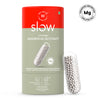 Liposomal Magnesium Glycinate (Chelated) | Pack of 60 Capsules
₹872 – ₹1,708
Liposomal Magnesium Glycinate (Chelated) | Pack of 60 Capsules
₹872 – ₹1,708
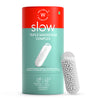 Triple Magnesium Complex
₹1,357 – ₹2,658
Triple Magnesium Complex
₹1,357 – ₹2,658
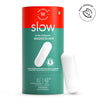 Ultra Strength Magnesium+
₹1,745 – ₹3,418
Ultra Strength Magnesium+
₹1,745 – ₹3,418
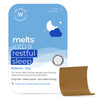 Restful Sleep (5mg)
₹649 – ₹1,298
Restful Sleep (5mg)
₹649 – ₹1,298
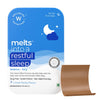 Restful Sleep Melts (10mg)
₹649 – ₹1,298
Restful Sleep Melts (10mg)
₹649 – ₹1,298
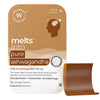 Pure Ashwagandha
₹649 – ₹1,298
Pure Ashwagandha
₹649 – ₹1,298