You sleep 7–8 hours and wake up exhausted. Not groggy, exhausted. Like you didn't sleep at all.
That's not laziness. That's not stress. That might be your airway closing dozens of times a night, and your body working overtime to compensate.
When Sleep Doesn't Rest You
Most people picture sleep apnea as loud snoring. The reality is quieter and more insidious. Obstructive sleep apnea (OSA) is a condition where the airway repeatedly collapses during sleep, sometimes for 10 seconds, sometimes longer, causing the brain to briefly wake you up to restore breathing. You don't remember these episodes. But your body does.
The result is sleep apnea fatigue: a bone-deep tiredness that doesn't resolve no matter how many hours you log in bed. In India, OSA is significantly underdiagnosed, studies suggest prevalence anywhere between 4–13% in urban populations, with many cases going undetected for years because people chalk up the exhaustion to work pressure, anemia, or thyroid issues (NIH).
What makes sleep apnea chronic fatigue particularly frustrating is that it mimics other conditions almost perfectly. Persistent tiredness, brain fog, low motivation, poor concentration, these can look like depression, burnout, or even chronic fatigue syndrome.
The overlap between chronic fatigue syndrome sleep apnea is well-documented enough that clinicians now routinely screen CFS patients for sleep-disordered breathing. If your fatigue has a quality of "never feeling restored," sleep apnea belongs on your radar.
What's Happening in Your Body
Every time your airway collapses during sleep, your oxygen levels drop. The brain detects the desaturation and fires off a stress response: adrenaline surges, you micro-wake, breathing resumes. This might happen 5 times an hour in mild cases. In severe cases, over 30 times.
Each micro-arousal disrupts sleep architecture, specifically, it pulls you out of deep slow-wave sleep and REM, the stages where actual cellular repair, memory consolidation, and hormonal reset happen. You cycle back to lighter sleep stages. Night after night, the deficit compounds.

Here's where sleep apnea adrenal fatigue enters the picture. The repeated cortisol spikes from nightly micro-arousals dysregulate the HPA axis, the hypothalamic-pituitary-adrenal system that governs your stress hormone output.
Over time, this leads to blunted cortisol rhythms. Instead of the natural morning cortisol peak that gets you up and alert, you get a flat line. Low energy in the morning, wired at night, no clear circadian rhythm.
This is why sleep apnea adrenal fatigue often co-occurs: it's not two separate conditions. It's one system, broken at the sleep level, cascading into hormonal dysregulation.
Magnesium also takes a hit. Chronic stress and poor sleep accelerate magnesium excretion. Low magnesium, in turn, makes the HPA axis more reactive, a loop that's hard to break without addressing both sleep quality and nutrient depletion simultaneously.

Is Sleep Apnea Fatigue Reversible?
Yes, but the answer depends on what's driving it.
Can mild sleep apnea be reversed? In many cases, yes. Mild OSA (5–15 apnea events per hour) responds well to lifestyle modification, particularly weight management. Fat deposits around the neck and throat narrow the airway; reducing them directly reduces apnea frequency.
Is sleep apnea reversible with weight loss? The evidence is strong here. A landmark clinical trial found that a 10% reduction in body weight led to a 26% reduction in apnea severity (NIH). For people in the mild-to-moderate range, sustained weight loss can move them out of clinical OSA entirely. Reverse obesity and you substantially improve the structural conditions that create the problem.
For moderate to severe OSA, weight loss alone is rarely sufficient, CPAP therapy (continuous positive airway pressure) remains the gold standard. But CPAP addresses the nighttime breathing, not the accumulated fatigue debt or the hormonal dysregulation. That's where targeted nutritional support matters.
Sleep Apnea Fatigue Treatment
1. Treat the root cause first. No supplementation will fix fatigue if you're still having 20+ apnea events per night. CPAP compliance, positional therapy, or an ENT referral for structural issues comes before anything else.
2. Support circadian rhythm restoration. After months of disrupted sleep architecture, the brain's internal clock needs help re-synchronising.
Melatonin 5 mg taken 30–60 minutes before bed can help re-anchor the sleep-wake cycle without dependency. For people with significant HPA dysregulation, melatonin 10 mg may be appropriate under guidance, though starting lower is sensible.
3. Address the magnesium deficit. This is often the missing piece in sleep apnea fatigue treatment protocols. Magnesium supplements, particularly magnesium glycinate, are absorbed efficiently and have a calming effect on the nervous system without the laxative side effects of other forms.Magnesium glycinate supports GABA activity, the brain's primary inhibitory neurotransmitter, which helps reduce the nighttime hyperarousal that keeps sleep shallow even after apnea is treated.
4. How to reverse sleep apnea naturally:
-
Weight reduction (most evidence)
-
Avoiding alcohol and sedatives (both worsen airway muscle tone)
-
Side-sleeping (reduces tongue-base obstruction significantly)
-
Mouth and throat exercises (myofunctional therapy), a meta-analysis found 50% reduction in apnea severity (NIH)
-
Treating nasal congestion
Reverse sleep apnea naturally is achievable in mild cases with consistent effort across these levers. It requires patience, improvement comes over weeks and months, not days.
Key Takeaways
-
Sleep apnea fatigue is caused by repeated oxygen drops and micro-arousals that prevent restorative sleep, not just the hours spent in bed.
-
The fatigue is often compounded by sleep apnea adrenal fatigue, HPA axis dysregulation from chronic cortisol spikes during apnea events.
-
Chronic fatigue syndrome sleep apnea frequently overlap; if fatigue is the primary complaint, ruling out OSA is a necessary step.
-
Can mild sleep apnea be reversed? Yes, lifestyle changes including weight loss, positional therapy, and myofunctional exercises have clinical evidence behind them.
-
Is sleep apnea reversible with weight loss? A 10% weight reduction can reduce apnea severity by up to 26%; this is among the strongest single interventions for mild-moderate OSA.
-
Sleep apnea fatigue treatment works best as a layered approach: address the airway, restore circadian rhythm with melatonin 5 mg or melatonin 10 mg, and replenish depleted nutrients like magnesium glycinate.
Conclusion
Sleep apnea fatigue is not a character flaw and it is not permanent. The body is remarkably good at recovering but only when the underlying disruption is addressed, not just masked. If you've been living with unexplained exhaustion, the question to ask isn't "how do I sleep more." It's "why isn't my sleep working?" Treating the airway, supporting the nervous system with the right nutrients, and giving the HPA axis time to recalibrate, that's the sequence that actually moves the needle.
The fatigue you're carrying may well be one of the reversible diseases, if you're willing to look past the obvious fix.
FAQs
Can sleep apnea cause permanent fatigue?
Untreated sleep apnea chronic fatigue can persist for years and lead to lasting changes in HPA axis function and cognitive performance. However, with appropriate sleep apnea fatigue treatment including CPAP or lifestyle-based reversal and targeted nutritional support. The fatigue is not inherently permanent, but recovery requires addressing the root cause, not just the symptom.
What is the connection between sleep apnea and adrenal fatigue?
Every apnea event triggers a brief stress response that releases cortisol and adrenaline. When this happens dozens of times a night over months or years, the HPA axis becomes dysregulated. This produces the pattern known as sleep apnea adrenal fatigue: blunted morning cortisol, elevated evening cortisol, and a persistent inability to feel alert or rested regardless of sleep duration.
Can chronic fatigue syndrome be caused by sleep apnea?
The two conditions frequently co-exist, and research suggests chronic fatigue syndrome sleep apnea overlap is more than coincidental. Undiagnosed OSA can trigger or worsen CFS-like symptoms including post-exertional malaise, cognitive dysfunction, and unrefreshing sleep. Clinicians typically recommend a sleep study before confirming a CFS diagnosis.
Is sleep apnea reversible with weight loss alone?
For mild cases, is sleep apnea reversible with weight loss is a yes in many documented instances. A 10% reduction in body weight has been shown to reduce apnea severity by roughly 26%. However, moderate-to-severe OSA usually requires additional intervention such as CPAP alongside efforts to reverse obesity. Weight loss improves the structural conditions, less fat around the airway but doesn't address anatomical factors like jaw structure or enlarged tonsils.
Can you reverse sleep apnea naturally?
Reverse sleep apnea naturally is most achievable in mild cases through a combination of weight management, side-sleeping, alcohol avoidance, and myofunctional therapy. Studies on throat and tongue exercises show up to 50% reduction in apnea severity. These approaches work best as part of a broader lifestyle intervention and may reduce dependence on CPAP for some patients, though medical supervision is recommended.
How long does it take to recover from sleep apnea fatigue?
Recovery timeline varies. Some people notice improved energy within 2–4 weeks of effective treatment; others with longstanding sleep apnea chronic fatigue and HPA axis dysregulation may take 3–6 months to feel a meaningful shift. Consistent CPAP use (or equivalent intervention), circadian rhythm support with melatonin 5 mg, and magnesium supplements can accelerate recovery.
Does melatonin help with sleep apnea fatigue?
Melatonin does not treat the apnea itself but can support the circadian rhythm restoration that is often disrupted in long-term sleep apnea fatigue. Melatonin 5 mg taken 30–60 minutes before sleep helps re-anchor the sleep-wake cycle. Melatonin 10 mg may be considered for more significant circadian disruption. It works best alongside treatment that addresses the underlying breathing problem.
Can magnesium help with sleep apnea fatigue?
Magnesium supplements, especially magnesium glycinate, support GABA activity in the brain, reducing nervous system hyperarousal that often persists even after apnea is treated. Magnesium is also rapidly depleted by the chronic cortisol cycling in sleep apnea adrenal fatigue. Restoring magnesium levels supports deeper, more restorative sleep and helps normalise the HPA axis response over time.
What is the best sleep position to reduce sleep apnea?
Side-sleeping (lateral position) is consistently supported by evidence as the best position to reduce obstruction from tongue and soft palate. Back-sleeping allows gravity to pull these tissues toward the airway, increasing apnea frequency. Positional devices or even a firm pillow at the back can help maintain side position through the night, a simple but often underused tool to reverse sleep apnea naturally.
Is sleep apnea one of the reversible diseases?
Mild obstructive sleep apnea is widely considered one of the reversible diseases when root causes, primarily excess weight and lifestyle factors are addressed. Clinical literature supports full resolution of OSA in some patients following sustained weight loss. Even in moderate cases, severity can be meaningfully reduced. The key is treating it as a structural and metabolic condition, not just a nighttime breathing quirk.

Recommended Products
 Restful Sleep (5mg)
₹649 – ₹1,298
Restful Sleep (5mg)
₹649 – ₹1,298
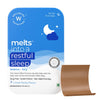 Restful Sleep Melts (10mg)
₹649 – ₹1,298
Restful Sleep Melts (10mg)
₹649 – ₹1,298
 Liposomal Magnesium Glycinate (Chelated) | Pack of 60 Capsules
₹719 – ₹1,438
Liposomal Magnesium Glycinate (Chelated) | Pack of 60 Capsules
₹719 – ₹1,438
 Triple Magnesium Complex
₹1,119 – ₹2,238
Triple Magnesium Complex
₹1,119 – ₹2,238
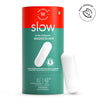 Ultra Strength Magnesium+
₹1,439 – ₹2,878
Ultra Strength Magnesium+
₹1,439 – ₹2,878