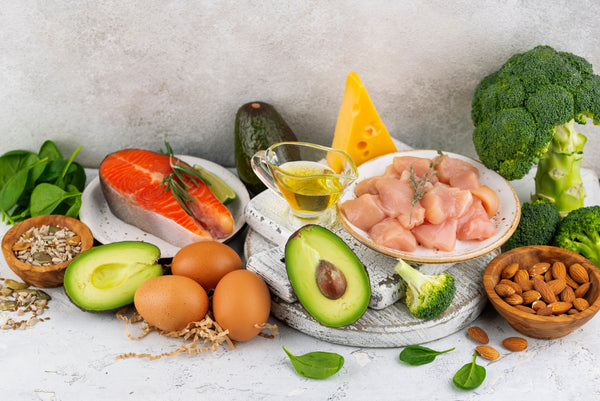
Two powerhouses. Two very different paths to peak performance. Arginine works to enhance blood flow, delivering oxygen and nutrients deep into your muscles for that full, vascular pump. Creatine fuels muscle cells with rapid, high-intensity energy, helping you lift heavier, push further, and sustain peak effort.
While arginine optimizes circulation and muscle fullness, creatine drives strength, power, and endurance. Each addresses a different dimension of performance—and together, they create a synergistic foundation to help you train stronger, recover better, and reach your true potential.
How Do They Work?
Arginine is an amino acid that acts as a precursor to nitric oxide (NO) in the body. Nitric oxide helps widen blood vessels, improving blood flow to working muscles. This process supports better nutrient delivery, oxygen transport, and the well-known muscle pump sensation during workouts. (NIH)
Creatine, on the other hand, is stored in muscles as phosphocreatine, which is used to produce ATP, the body’s main energy currency. This extra energy allows you to perform more reps, lift heavier weights, and recover faster between sets. (NIH)
Performance Benefits of Arginine
-
Enhances blood flow by increasing nitric oxide production – Arginine converts into nitric oxide in the body, a compound that widens and relaxes blood vessels. This improved circulation helps deliver more oxygen and nutrients to working muscles. Better blood flow means improved workout performance and reduced strain on the heart. (NIH)
-
Improves nutrient and oxygen delivery to muscles – With stronger circulation, your muscles receive the resources they need exactly when they need them. This supports sustained performance during workouts and helps delay fatigue. The result is better output in both strength and endurance exercises. (NIH)
-
Creates a strong muscle pump and boosts endurance – The increased blood volume in muscles creates a fuller, harder feel during training. This pump effect not only looks impressive but also supports nutrient exchange in muscle tissue. Over time, this can help improve endurance and recovery between sets. (NIH)
Performance Benefits of Creatine
-
Increases strength and power output – Creatine boosts phosphocreatine stores, enabling rapid ATP regeneration for short, intense bursts of activity. This allows you to lift heavier weights and complete more explosive movements. It’s especially effective for high-intensity, strength-based training. (NIH)
-
Supports lean muscle growth – One of the biggest creatine benefits is its ability to support hypertrophy by allowing you to train harder and recover faster. Over time, this translates into increased lean mass and better muscular definition. (WebMD)
-
Speeds up recovery between workouts – Faster ATP regeneration helps muscles recover quickly between sets and training days. This means you can train more frequently without excessive soreness or fatigue. Improved recovery also reduces the risk of overtraining and injury. (NIH)
Choosing the Right Supplement for Your Goals
|
Goal |
Better Option |
Why |
|
Improve blood flow and get a better pump |
Arginine |
Increases nitric oxide for better circulation during workouts. |
|
Build strength, muscle, and power |
Creatine monohydrate or Creatine HCL |
Boosts ATP production for more reps and higher lifts. |
|
Quick results in endurance and recovery |
Creatine monohydrate or Creatine HCL
|
Supports energy replenishment and reduces fatigue. |
|
Enhanced pre-workout performance |
Arginine |
Gives an immediate boost to circulation and workout feel. |
Both creatine monohydrate and Creatine HCL are highly effective forms of creatine. While creatine monohydrate is the most researched and widely used, Creatine HCL is known for its better solubility and lower water retention, making it ideal for those who want faster absorption and less bloating.
Stacking Arginine and Creatine
The good news? You don’t have to choose just one. Stacking arginine and creatine powder can provide a well-rounded performance boost.
- Arginine: Take pre-workout to prime circulation and muscle activation.
- Creatine: Take daily for long-term gains in strength, endurance, and muscle mass.
Creatine Usage Guidelines
- Loading Phase: 20 g daily (split into 4 doses) for 5–7 days
- Maintenance Phase: 3–5 g daily thereafter
- Mix with water, juice, or protein shake. Hydration is essential for optimal storage in muscles.
Safety Considerations
- Arginine: Safe for most healthy adults. Consult a professional if you have blood pressure concerns.
- Creatine: Well-tolerated with mild, occasional water retention. Consistency is key for best results.
Conclusion
Both arginine and creatine play valuable but distinct roles in workout supplementation:
-
Arginine primes the body by enhancing circulation and delivering that sought-after pre-workout pump.
-
Creatine, especially in forms such as creatine monohydrate powers you at a cellular level boosting ATP, strength, endurance, and muscle growth.
When choosing between them, focus on your priorities: enhanced blood flow versus prolonged energy and training capacity. Want both? Feel free to stack them thoughtfully just keep dosing, quality, and safety in view. Armed with these insights, you’re ready to make an informed, effective supplement choice.

Recommended Products
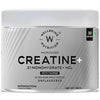 Creatine Monohydrate + HCL | 100g | 300mg Taurine | Unflavoured
₹454 – ₹908
Creatine Monohydrate + HCL | 100g | 300mg Taurine | Unflavoured
₹454 – ₹908
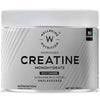 Creatine Monohydrate | 100g | 300mg Taurine | Unflavoured
₹384 – ₹768
Creatine Monohydrate | 100g | 300mg Taurine | Unflavoured
₹384 – ₹768
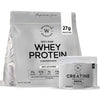 Whey Protein Concentrate Unflavored & Creatine Monohydrate Unflavored
₹3,926
Whey Protein Concentrate Unflavored & Creatine Monohydrate Unflavored
₹3,926
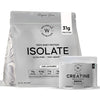 Whey Protein Isolate Unflavored & Creatine Monohydrate Unflavored
₹5,381
Whey Protein Isolate Unflavored & Creatine Monohydrate Unflavored
₹5,381
 Whey Protein Isolate + Concentrate 24g | 1KG | 4B CFU Probiotics | Cappuccino & Creatine Monohydrate Unflavored
₹4,321
Whey Protein Isolate + Concentrate 24g | 1KG | 4B CFU Probiotics | Cappuccino & Creatine Monohydrate Unflavored
₹4,321
 Whey Protein Isolate Dark Chocolate & Creatine Monohydrate Unflavored
₹5,381
Whey Protein Isolate Dark Chocolate & Creatine Monohydrate Unflavored
₹5,381
 Whey Protein Isolate + Concentrate 24g | 1KG | 4B CFU Probiotics | Swiss Chocolate & Creatine Monohydrate Unflavored
₹4,795
Whey Protein Isolate + Concentrate 24g | 1KG | 4B CFU Probiotics | Swiss Chocolate & Creatine Monohydrate Unflavored
₹4,795