Taurine is one of those ingredients that sparks a lot of questions and sometimes, confusion. You’ve probably seen it listed on energy drinks, pre-workout supplements, or wellness products, but what do you really know about it?
Some people think it’s a stimulant, others assume it’s synthetic, and many just aren’t sure whether it’s safe to take regularly. The truth? Taurine is far from mysterious or risky when you understand what it actually does in the body.
In this article, we’re breaking down the most common myths around taurine, looking at what science says about its safety, and helping you understand how it fits into your wellness routine, whether you’re an athlete, a busy professional, or just someone looking to support their overall health.
Let’s get into it.
What Exactly Is Taurine?
Contrary to what you might think, taurine isn't some synthetic lab-created compound. It's actually a naturally occurring amino sulfonic acid found in the human body, particularly in the brain, eyes, heart, and muscles. (NIH) Taurine plays a vital role in various physiological functions, including:
-
Regulating calcium signaling
-
Supporting cardiovascular health
-
Aiding in bile salt formation for digestion
-
Supporting the development and function of skeletal muscle, the central nervous system, and the cardiovascular system
It’s not a protein-building amino acid, but its importance can’t be overstated. Your body produces taurine naturally, and it’s also present in many foods, especially animal-based ones like meat and fish. It’s also available as a supplement, either on its own or in blends like energy drinks or performance-enhancing formulas.
Taurine: Myths Vs Facts
1. Taurine is a stimulant like caffeine
Taurine is not a stimulant. It does not act like caffeine. In fact, taurine has calming properties in the brain. (NIH) While often paired with caffeine in energy drinks, taurine itself doesn’t cause the spike in heart rate or jitteriness that caffeine does.
2. Taurine causes heart issues
This is one of the most persistent myths. However, multiple studies actually show that taurine may benefit heart health, not harm it. It’s been associated with reduced blood pressure, improved heart function, and better lipid profiles. (NIH)
3. Taurine is only useful for athletes or gym-goers
While taurine is popular among fitness enthusiasts for supporting endurance and recovery, its benefits extend beyond the gym. It’s involved in vital functions like electrolyte balance, eye health, and even blood sugar regulation, making it useful for a wide range of people.(NIH)
4. Taurine makes you hyper or jittery
Because it’s commonly found in energy drinks, many assume taurine is the culprit behind the “wired” feeling. But in reality, it’s usually the caffeine and sugar content doing that. Taurine may actually have a stabilizing effect on the nervous system. Some people even take it before bed to support better sleep. It helps modulate neurotransmitters like GABA, which plays a role in relaxation. (NIH)
5. Taurine is addictive
There’s no scientific evidence suggesting that taurine is addictive. It doesn’t create a dependency, nor does it trigger any reward-based neurological patterns like true addictive substances. (NIH)
6. Taurine is only for short-term use
This myth likely stems from its association with energy drinks. However, taurine is safe to take daily for most people, especially when consumed through high-quality supplements that meet rigorous standards. (NIH)
7. Taurine causes kidney or liver damage
There's no scientific evidence that taurine causes kidney or liver damage when consumed in recommended amounts. In fact, some studies show that taurine may actually support liver function and reduce damage caused by toxins or alcohol. (NIH)
What Does Science Say About Taurine’s Safety?
Taurine has been extensively studied, and the scientific consensus is clear: when consumed in appropriate amounts, taurine is safe for healthy individuals. Peer-reviewed research consistently supports its strong safety profile, especially when used as part of a daily supplement routine.
Both the European Food Safety Authority (EFSA) and the U.S. Food and Drug Administration (FDA) classify taurine as Generally Recognized As Safe (GRAS). The EFSA has also concluded that a daily intake of up to 3,000 mg (3 grams) of taurine is safe for human consumption. (NIH)
Additionally, long-term use of taurine supplements in healthy individuals has not been linked to any serious side effects. However, like any supplement, it’s important to stay within recommended limits; too much of a good thing can still cause issues.
Note: While taurine is considered safe for most people, individuals with kidney conditions, those who are pregnant or breastfeeding, or anyone taking medications should speak with a healthcare provider before starting supplementation.
The Benefits of Taurine in Nutraceuticals
The role of taurine in nutraceuticals is both wide-ranging and well-supported by science. It’s often added to:
-
Energy and performance blends to aid in muscle function and reduce oxidative stress (NIH)
-
Cognitive support supplements for their neuroprotective and calming properties (NIH)
-
Cardiovascular formulas to support healthy blood pressure and cholesterol levels (NIH)
-
Daily wellness supplements to provide overall balance and cellular protection (NIH)
But here’s the catch: not all taurine supplements are created equal.
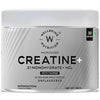
If you're considering adding taurine to your daily routine, look for it as part of a clean-label, premium-quality blend like the Wellbeing Nutrition Creatine Supplement. While the hero ingredient in that product is creatine with taurine in it but the formulation speaks volumes about the brand's commitment to scientifically-backed ingredients, purity, and transparent sourcing, all qualities you should look for when choosing a taurine supplement.
Let’s Recap
-
Taurine is not a stimulant, nor is it addictive.
-
It doesn’t cause heart problems; in fact, it may help support cardiovascular health.
-
It’s not just for athletes, and it doesn’t make you jittery.
-
Taurine supplement safety is backed by science, and it’s safe for daily use in most people.
So, can taurine cause health problems? Not when taken responsibly.
If you’ve been on the fence about taurine because of the myths, it’s time to put the rumors to rest. At Wellbeing Nutrition, we’ve done the research for you, and we trust taurine for the right reasons.
Choose high-quality supplements, stay within safe dosage guidelines, and speak with your healthcare provider to see if taurine fits your personal wellness plan.
In a world full of wellness trends, taurine stands out, not for hype, but for its quiet, proven support of the systems that keep you strong.