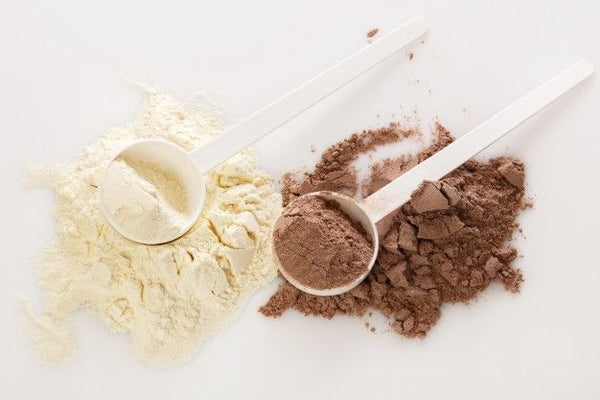
Protein is a macronutrient that plays a vital role in every woman’s health yet many women, especially in India, unknowingly fall short of their daily protein requirements. Whether you're a fitness enthusiast, a busy mom, or navigating hormonal changes, adding whey protein to your routine can make a noticeable difference.
Let’s dive into the key benefits of whey protein for women, debunk some common myths, and understand how to choose the right product to support your goals.
What is Whey Protein?
Whey protein is a high-quality protein derived from milk during the cheese-making process. It contains all nine essential amino acids, making it a complete protein especially important for muscle repair, immune health, and hormone regulation. It's also quickly absorbed by the body, making it ideal for post-workout recovery. (NIH)
Benefits of Whey Protein for Women
1. Supports Lean Muscle and Toning
One of the biggest benefits of whey protein is its role in building and preserving lean muscle mass. Contrary to the belief that it’s only for bodybuilders, women who include resistance training in their routine can benefit greatly from the muscle repair and recovery that whey supports. It helps improve body tone not bulk while supporting a stronger metabolism. (NIH)
2. Promotes Weight Management
Protein helps curb hunger by increasing satiety. They help you feel fuller for longer, which can reduce unnecessary snacking and calorie intake. Several studies show that when paired with a healthy lifestyle, whey protein can support fat loss while preserving lean mass. (NIH)
3. Improves Hair, Skin, and Nail Health
Whey protein contains amino acids like lysine and cysteine, which are essential for collagen production and keratin synthesis important for healthy skin, strong nails, and shiny hair. Many women who add whey to their diets notice a visible improvement in hair thickness and skin radiance over time. (NIH)
Also Read: Whey Protein for Women: Does It Improve Skin and Hair Health?
4. Supports Bone and Immune Health
Whey protein is rich in immunoglobulins and lactoferrin, which play roles in immune defense. It also contains calcium and other minerals that support bone strength, which becomes increasingly important post-30 and during menopause. (NIH)
Common Myths About Whey Protein – Busted!
Myth 1: Whey Protein Makes Women Bulky
This is perhaps the most common misconception. Whey protein alone does not lead to bulkiness. Gaining visible muscle mass requires intense training, a high-calorie diet, and often hormonal support. For most women, whey supports lean toning and fat loss, not weight gain.
Myth 2: It’s Only for Gym-goers or Athletes
While athletes may use whey to meet high protein demands, it’s equally beneficial for non-active women to maintain energy, recover from day-to-day stress, and support healthy metabolism. Even if your workout is limited to daily walking or yoga, your body still needs quality protein.
Myth 3: Too Much Protein Damages Kidneys
This concern often stems from misunderstanding. For healthy individuals, there is no scientific evidence that moderate whey protein intake harms the kidneys. However, if someone has a pre-existing kidney condition, they should consult a doctor before taking a supplement.
Myth 4: Women Should Only Take Plant Protein
While plant protein is a great alternative for those who are vegan or lactose-intolerant, whey protein has a higher biological value and faster absorption rate. It’s especially useful post-workout when the body needs quick replenishment.
How to Use Whey Protein in Your Routine
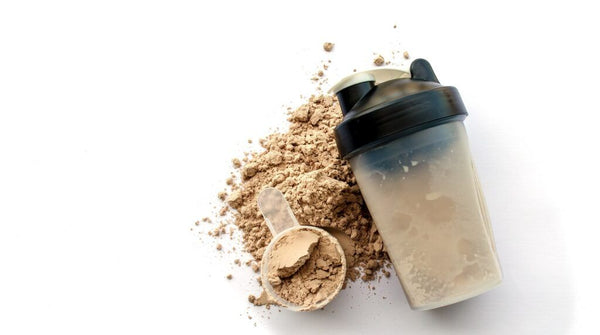
- Post-Workout: Ideal time to consume. Mix a scoop with water or milk to aid muscle recovery.
- Morning Boost: Blend into a smoothie with fruits, oats, and nuts for a protein-rich breakfast.
- Midday Meal Replacement: Helps to stay full and energized through busy afternoons.
- Evening Snack: Combine with Greek yogurt or in recipes like protein pancakes or energy balls.
Aim for 1 scoop (20–30g protein) once or twice a day, depending on your dietary intake and fitness goals.
Possible Side Effects (If Any)
Whey protein is generally safe, but a few people may experience:
- Bloating or gas, especially if lactose-intolerant (whey isolate may be better in that case)
- Mild acne, though this is rare and often tied to individual dairy sensitivity
- Overconsumption can lead to digestive discomfort or caloric surplus, so stick to the recommended dose
Choosing the Right Whey Protein: What to Know Before You Scoop
With the supplement aisle flooded with options, choosing the right whey protein goes beyond just protein count, it’s about quality, source, digestibility, and clean-label assurance. Here’s how the three main forms of whey protein differ, and what to look for when choosing the best one for your lifestyle:
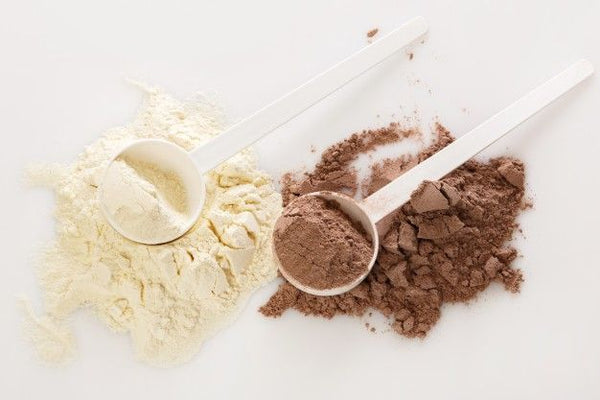
Whey Protein Isolate
Ideal for those seeking high protein with minimal fat and lactose, whey isolate is ultra-filtered to deliver a lean profile—often containing 90%+ protein per scoop. It’s perfect if you're lactose sensitive, cutting calories, or looking for faster post-workout absorption.
Standout: Clean, fast-digesting, low-carb, and ideal for lean muscle gain.
Whey Protein Concentrate
A more wholesome, nutrient-rich option, whey concentrate contains slightly more carbs, fats, and bioactive compounds compared to isolate. It’s a great everyday protein, especially if you want to support overall wellness with a more balanced macronutrient profile.
Standout: Naturally nourishing, cost-effective, and packed with amino acids.
Whey Protein Isolate + Concentrate
For those who want the best of both worlds, a whey blend (Whey Protein Isolate + Concentrate) offers the purity of isolate and the nutrient density of concentrate. It delivers both fast and sustained protein absorption, making it suitable for all fitness levels.
Standout: Balanced, versatile, and great for muscle recovery and daily support.
What Else Should You Look For?
- Clean-Label Ingredients: Skip artificial sweeteners, synthetic flavors, preservatives, or added sugar. Choose naturally sweetened options with real cocoa, vanilla, or stevia.
- Third-Party Testing: Look for products that are rigorously tested for heavy metals, toxins, and purity to ensure you're getting nothing but clean protein.
- Enhanced Digestibility: High-quality whey proteins often include probiotics or digestive enzymes to improve absorption and minimize bloating.
- Sourcing Matters: Opt for grass-fed, hormone-free dairy sources for a cleaner and more sustainable product.
Final Thoughts
Whey protein isn’t just for athletes or bodybuilders, it’s a versatile, nutrient-rich support system for women at every stage of life. Whether your goal is to build lean strength, stay energized, support hormonal health, or nourish your skin and hair from within, adding a clean, high-quality whey protein can help you meet your body’s evolving needs.
Every woman’s journey looks different. Whether you're blending it into your morning smoothie, refueling post-workout, or simply prioritizing self-care, whey protein can be your quiet, daily partner in feeling stronger, healthier, and more balanced.