You've probably done this before. You eat clean for three days, drink a green juice, feel lighter, and think you've "detoxed." Then the number on the scale barely moves, or worse, it bounces right back the week after.
Confusing, right? That's because most people use fat loss and body detox as if they're the same thing, when they're actually solving two completely different problems.
This mix up is everywhere right now. Detox teas, weight loss capsules, and 3-day cleanses are trending hard, but very few of them explain what's actually happening inside your body. So, let's break this down properly, what fat loss really means, what body detox really means, and how to approach both the smart way instead of chasing quick fixes.
Fat Loss vs Body Detox, What's Actually Different
Fat loss is a straightforward energy equation. Your body burns stored fat for fuel when you consistently use more energy than you consume, supported by adequate protein, movement, and recovery. It's slow, measurable, and shows up as actual changes in body composition over weeks.
Body detox, on the other hand, isn't about burning fat at all. It's about supporting your liver, kidneys, gut, and lymphatic system, the organs that already handle detoxification every single day. You don't need a juice cleanse to detox your body, your liver is doing that work right now, even as you read this. What you can do is support these systems, so they function optimally, especially after a stretch of poor sleep, alcohol, or processed food.
Understanding fat loss vs weight loss matters here too. Weight loss can include water, muscle, and fat, while fat loss specifically targets stored fat while preserving lean muscle. This is why two people can lose the same number of kilos and look completely different. If you're chasing long term results, fat loss vs body detox isn't an either-or choice, they work best as two separate, complementary goals.
Foods That Actually Support Fat Loss
If you're looking for foods for fat loss, the focus should be on protein, fiber, and foods that keep you full without a huge calorie load.
-
Eggs and lean poultry: high protein content supports muscle retention while in a calorie deficit, which is essential for actual fat loss rather than muscle loss.
-
Lentils and legumes: a combination of plant protein and fiber that keeps hunger in check for longer.
-
Greek yogurt: protein dense and gut friendly, a genuinely underrated fat loss food.
-
Leafy greens and cruciferous vegetables (broccoli, cabbage): low calorie density with high volume, letting you eat more while staying in a deficit.
-
Green tea: contains catechins that have been shown in research to modestly support fat oxidation, especially when paired with movement.

Foods That Support Natural Detox
For foods for detox, think less about exotic ingredients and more about supporting your liver and gut daily.
-
Beetroot: contains betalains, compounds shown to support liver detoxification pathways.
-
Garlic: activates liver enzymes involved in flushing out toxins.
-
Fermented foods (curd, kimchi, kanji): support gut bacteria, which plays a direct role in how efficiently your body processes and eliminates waste.
-
Lemon water: doesn't magically detox anything, but it supports hydration, which is genuinely essential for kidney function.
-
Fiber rich foods (oats, chia, flaxseed): bind to waste products in the gut and support regular elimination, one of your body's actual detox pathways.
A trend worth knowing, apple cider vinegar has gotten massive attention for both fat loss and detox, and there's some real research behind it. Studies show it may modestly improve insulin sensitivity and support fullness when taken before meals, though it's a small supporting player, not a magic fat burner.
Where Support Tools Actually Fit In
Some days your diet genuinely can't cover everything, and that's where a few well-chosen tools make sense.
A fiber supplement can help close the gap on days your meals fall short on fiber, since most people don't hit their daily fiber needs from food alone.
Protein powders, especially whey protein, are useful for hitting your daily protein target consistently, which directly protects muscle mass during fat loss rather than just weight loss.
A berberine supplement has picked up real attention recently for its role in supporting healthy blood sugar and metabolic function, backed by a growing body of research, though it works best as a support tool alongside food, not a replacement for it.
As for weight loss capsules more broadly, the honest answer is that most only offer modest support at best, and none of them replace the fundamentals of food, movement, and sleep.

Sleep and Lifestyle, The Detox Tools Nobody Talks About
Here's something genuinely underrated, poor sleep sabotages both fat loss and detox simultaneously. Your liver does a large share of its detox related work overnight, and studies show sleep deprivation directly disrupts hunger hormones, making fat loss noticeably harder. A consistent sleep schedule, even before touching your diet, is one of the most powerful natural body detox tools available.
Other habits that genuinely move the needle:
-
Strength train regularly. Preserving muscle mass keeps your metabolism higher during fat loss, unlike cardio alone.
-
Sweat it out sometimes. Your skin is a minor but real elimination pathway, regular movement that makes you sweat supports this.
-
Stay hydrated consistently, not just when you remember. Your kidneys and lymphatic system depend on it.
-
Limit alcohol. It directly burdens liver function, the same organ responsible for most of your natural detox work.
-
Manage stress. Chronically high cortisol makes fat loss harder and disrupts digestion, which affects your body's natural detox rhythm too.
Key Takeaways
-
Fat loss is about a sustained calorie deficit with adequate protein, while body detox is about supporting organs your body already uses to eliminate waste.
-
Fat loss vs weight loss matters, since weight loss can include muscle and water, while fat loss specifically targets stored fat.
-
Foods for fat loss and foods for detox often overlap, think protein, fiber, leafy greens, and fermented foods, but they serve different core purposes.
-
Support tools like a fiber supplement, whey protein, or a berberine supplement can help fill genuine gaps, but they work best alongside food, not instead of it.
-
Sleep and stress management influence both fat loss and detox more than most people realize, they're not separate from the process, they're part of it.
FAQs
1. What is the real difference between fat loss and detox?
Fat loss is about burning stored fat through a calorie deficit and movement, while detox refers to supporting your liver, kidneys, and gut, organs that already remove waste daily.
2. Does detoxing help with weight loss?
Not directly. A body detox supports organ function, but sustainable weight loss comes from a calorie deficit, adequate protein, and consistent movement.
3. What are the best natural detox foods?
Beetroot, garlic, fermented foods, leafy greens, and fiber rich foods like oats and chia are commonly recognized as effective natural detox foods.
4. How to detox your body without extreme diets?
Focus on hydration, fiber intake, quality sleep, limiting alcohol, and eating fermented and antioxidant rich foods rather than following restrictive cleanses.
5. Is fat loss the same as a detox diet?
No, a detox diet typically focuses on supporting elimination organs, while fat loss requires a structured calorie deficit and protein intake over time.
6. Can apple cider vinegar really support fat loss?
Some research shows modest benefits for insulin sensitivity and fullness when taken before meals, but it works as a small support tool, not a primary fat loss method.
7. Are weight loss capsules effective?
Most offer only modest support at best and should never replace a solid diet, movement routine, and consistent sleep schedule.
8. Do I need a protein powder for fat loss?
Not mandatory, but whey protein or another protein powder can help you consistently hit your daily protein target, which supports muscle retention during fat loss.
9. What is a berberine supplement used for?
It's commonly used to support healthy blood sugar and metabolic function, with growing research backing its role as a metabolic support tool.
10. How does sleep affect fat loss and detox?
Poor sleep disrupts hunger hormones, making fat loss harder, and reduces the liver's overnight detox related activity, affecting both processes simultaneously.

Recommended Products
 Daily Fiber | Pina Colada Flavour
₹872 – ₹1,708
Daily Fiber | Pina Colada Flavour
₹872 – ₹1,708
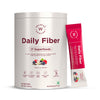 Daily Fiber | Vanilla Berry Flavour
₹872 – ₹1,708
Daily Fiber | Vanilla Berry Flavour
₹872 – ₹1,708
 Liposomal Berberine HCL+
₹1,745 – ₹3,418
Liposomal Berberine HCL+
₹1,745 – ₹3,418
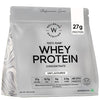 Whey Protein Concentrate 27g | 1kg | 4B CFU Probiotics | Unflavoured
₹3,999 – ₹7,998
Whey Protein Concentrate 27g | 1kg | 4B CFU Probiotics | Unflavoured
₹3,999 – ₹7,998
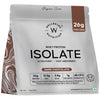 Whey Protein Isolate 26g | 1kg | 4B CFU Probiotics | Dark Chocolate
₹6,399 – ₹12,399
Whey Protein Isolate 26g | 1kg | 4B CFU Probiotics | Dark Chocolate
₹6,399 – ₹12,399
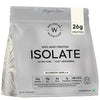 Whey Protein Isolate 26g | 1kg | 4B CFU Probiotics | Bourbon Vanilla
₹6,399 – ₹12,799
Whey Protein Isolate 26g | 1kg | 4B CFU Probiotics | Bourbon Vanilla
₹6,399 – ₹12,799
 Burn Slow
₹1,357 – ₹2,658
Burn Slow
₹1,357 – ₹2,658
 Apple Cider Vinegar
₹584 – ₹1,103
Apple Cider Vinegar
₹584 – ₹1,103
 Apple Cider Vinegar
₹539 – ₹1,018
Apple Cider Vinegar
₹539 – ₹1,018