Detox Your Lungs: Nutrition and Habits to Support Respiratory Health
You step outside on a "good" air quality day in most Indian cities and still end up coughing by evening. You check the AQI before you check the weather. You've started noticing that your breath feels shorter on the stairs than it used to. If any of this sounds familiar, you're not being dramatic, your lungs are genuinely working overtime, and it makes complete sense that "how to detox lungs" is one of the most searched wellness questions right now.
Here's the part most reels and quick fix posts skip. Your lungs are not sitting around collecting toxins waiting for a miracle drink to flush them out. They come with their own built in cleaning crew, a layer of mucus and microscopic hair like cilia constantly sweeping out dust, smoke particles, and pollutants, backed up by immune cells that mop up anything that slips through. A real lungs detox isn't about scrubbing your lungs clean from scratch, it's about giving that existing system everything it needs to work faster, stronger, and without getting overwhelmed.
That's exactly what this guide is built around. A 360-degree approach to lung health, covering what to eat, what to drink, which daily habits actually move the needle, what to avoid without exception, and a proper science backed breakdown of NAC, the ingredient everyone in respiratory wellness is suddenly talking about. No fluff, no fear mongering, just what actually works.
What's actually happening inside your lungs
Your airways are lined with tiny hair like structures called cilia, sitting under a layer of mucus. This is your mucociliary escalator. It traps dust, allergens, and pathogens, then sweeps them upward and out. Deeper in the lungs, immune cells called alveolar macrophages clean up anything that slips through. Smoking, pollution, and dehydration slow this escalator down. So the real question isn't "how do I flush toxins out of my lungs," it's "how do I keep my natural clearance system running at full speed."
Lung detox diet: what to actually eat
If you're looking for the best way to detox lungs, food is your first lever, and thankfully it's the easiest to control.
Load up on antioxidant rich foods. Berries, pomegranate, and citrus fruits are high in vitamin C, which helps neutralize oxidative stress caused by polluted air. Leafy greens like spinach and kale bring in vitamin A and folate, both linked to healthier lung tissue.

Cruciferous vegetables are underrated. Broccoli, cauliflower, and Brussels sprouts contain sulforaphane, a compound shown in research to activate Nrf2, a pathway that switches on your body's own antioxidant enzymes. This is genuinely one of the more exciting, lesser known facts in foods for lungs detox conversations right now.
Turmeric and ginger bring curcumin and gingerol to the table, both known for anti-inflammatory action in airway tissue.
Garlic and onions contain allicin, which has been studied for its role in reducing respiratory inflammation.
Fatty fish like salmon and sardines supply omega-3s, which help calm systemic inflammation that can affect lung function over time.
Nuts and seeds, especially almonds and sunflower seeds, are rich in vitamin E, another antioxidant vitamin for lungs detox that often gets overlooked next to vitamin C.
If you're building a lung detox diet, think Mediterranean style eating: colorful produce, healthy fats, minimal processed food. It's not glamorous, but it's the most evidence backed pattern for respiratory health.
Lungs detox drink ideas that are actually trendy right now
You don't need an exotic elixir. A few genuinely useful options:
-
Warm water with lemon and honey to soothe the throat and support hydration, which keeps mucus thin
-
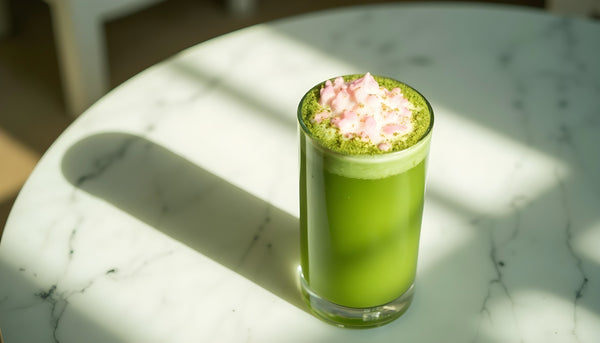
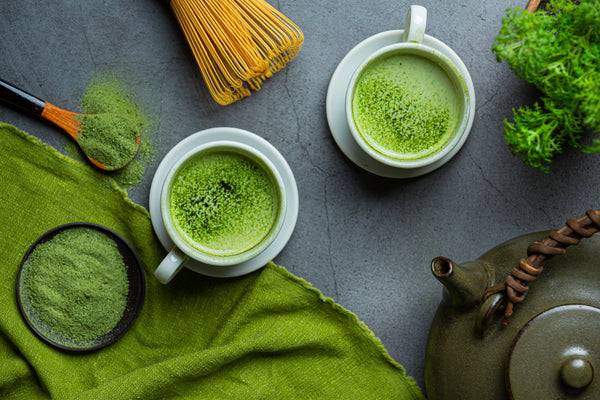
Green tea, rich in catechins with antioxidant properties
-
Turmeric and ginger tea, a favorite in Ayurvedic and functional nutrition circles
-
Licorice root tea, traditionally used to ease throat irritation and support easier breathing
Hydration itself is the unsung hero here. Thin, well hydrated mucus moves out of your airways far more efficiently than thick, sticky mucus, which is exactly why "drink more water" isn't lazy advice, it's physiology.
How to detox lungs at home: the daily routine
This is where trendy wellness culture actually gets something right.
Breathing exercises. Pursed lip breathing and diaphragmatic breathing improve oxygen exchange and help clear stale air trapped in the lower lungs. Five minutes a day is enough to start.

Steam inhalation. Warm steam, sometimes with a few drops of eucalyptus oil, helps loosen mucus and soothe irritated airways. This is one of the fastest ways to detox lungs when you're dealing with congestion from pollution or a cold.
Move your body. Cardiovascular exercise increases lung capacity and strengthens the muscles involved in breathing. Even brisk walking daily makes a measurable difference over weeks.
Improve indoor air quality. Use an air purifier, ventilate rooms daily, and consider air purifying plants. If you're figuring out how to detox lungs from pollution, controlling your indoor environment matters just as much as what happens outdoors.
Prioritize sleep. Lung repair and inflammation regulation happen significantly during deep sleep stages.
Lung detox for smokers and after quitting
If you're currently smoking, the honest answer to "how to detox lungs while smoking" is that no food or supplement can fully offset ongoing damage. Reducing frequency and creating smoke free windows in your day still helps your cilia get partial recovery time.
For those figuring out how to detox lungs after quitting smoking, here's the encouraging science: cilia function can begin improving within weeks of quitting, and studies show measurable lung function improvements within the first year. Supporting this phase with antioxidant rich food, hydration, and gentle breathing exercises can meaningfully speed up how you feel day to day.
What to avoid
-
Cigarettes and vaping, both of which damage cilia and thin the protective mucus lining
-
Excess fried and processed food, which promotes systemic inflammation
-
Aerosol sprays and strong chemical cleaners in poorly ventilated spaces
-
Incense and scented candles burned frequently indoors
-
Prolonged sedentary time, which reduces effective lung expansion
-
Dehydration, which thickens mucus and slows clearance
NAC: the science behind the buzz
N-acetylcysteine, or NAC, is easily the most researched ingredient in this space, and it deserves the deep dive.
NAC works through two connected pathways.
Mucolytic action. NAC has a free thiol group that breaks disulfide bonds within mucus glycoproteins. This reduces the viscosity of mucus, making it easier for the mucociliary escalator to clear it out. [NIH]
Glutathione precursor pathway. Once absorbed, NAC is deacetylated into cysteine, which is the rate limiting amino acid for glutathione synthesis. [NIH] Glutathione is the body's master antioxidant, and it plays a direct role in protecting lung tissue from oxidative stress caused by pollution, smoke, and infection.
For everyday respiratory support rather than clinical treatment, a NAC supplement is one of the more evidence supported additions to a lung support routine, ideally alongside a diet already rich in natural antioxidants. Some people also pair it with glutathione tablets for a more direct antioxidant boost, or a throat relief supplement to soothe irritation from pollution or seasonal triggers.
As always, speak with a doctor before starting any new supplement, especially if you have an existing respiratory condition or are on medication.
Key Takeaways
-
Your lungs already detox themselves through the mucociliary escalator and immune cells, your job is to support that system, not replace it
-
Antioxidant rich foods like berries, cruciferous vegetables, turmeric, and fatty fish are the real foundation of any lung detox diet
-
Hydration, breathing exercises, and clean indoor air are simple daily habits that make a measurable difference
-
NAC works through two proven pathways, breaking down mucus directly and boosting glutathione, your body's master antioxidant
-
Quitting smoking triggers real, measurable lung recovery starting within weeks, and the right nutrition can support that process
FAQs
1. What is the fastest way to detox lungs?
Hydration combined with steam inhalation gives the quickest relief for congestion, while breathing exercises improve oxygen exchange almost immediately.
2. How to detox lungs at home without supplements?
Focus on antioxidant rich foods, daily hydration, breathing exercises, and improved indoor air quality through ventilation and air purifiers.
3. What foods help detox the lungs?
Berries, leafy greens, cruciferous vegetables, turmeric, ginger, garlic, fatty fish, and nuts are all backed by research for supporting respiratory health.
4. Is there a proven lungs detox drink?
Warm lemon water, green tea, and turmeric ginger tea are practical, evidence informed choices that support hydration and reduce inflammation.
5. How to detox lungs after quitting smoking?
Prioritize antioxidant rich foods, stay well hydrated, practice diaphragmatic breathing, and give your body time, cilia function begins improving within weeks of quitting.
6. Can you detox lungs while still smoking?
Diet and hydration can offer partial support, but the most effective step is reducing or stopping smoking altogether.
7. What vitamins support lung detox?
Vitamin C, vitamin A, vitamin E, and folate all play supporting roles in reducing oxidative stress in lung tissue.
8. How does NAC help the lungs?
NAC thins mucus by breaking disulfide bonds in mucus proteins and boosts glutathione production, the body's main antioxidant defense.
9. How to detox lungs from pollution exposure?
Improve indoor air quality, stay hydrated, eat antioxidant rich foods, and consider a NAC supplement after speaking with your doctor.
10. Is a lung detox diet different from a regular healthy diet?
Not drastically, a lung detox diet is essentially a Mediterranean style, antioxidant rich diet with extra emphasis on cruciferous vegetables and hydration.

Recommended Products
 Slow Advanced N-Acetyl-Cysteine + Glycine Capsules
₹1,119 – ₹2,238
Slow Advanced N-Acetyl-Cysteine + Glycine Capsules
₹1,119 – ₹2,238
 Throat Relief
₹599 – ₹1,198
Throat Relief
₹599 – ₹1,198