You know that feeling when you open five tabs, forget why you walked into a room, and reread the same email line four times before it makes sense? That is not just a busy week talking. That is your brain quietly waving a white flag. We spend so much time detoxing our skin and our gut, but our mind, the thing running the entire show, rarely gets the same attention. It is time to change that.
Mind detox is not about meditating on a mountain for a month. It is a practical, science backed approach to how you eat, sleep, move, and manage stress so your brain can actually function the way it is designed to. This is a 360 degree approach, and food plays a much bigger role in it than most people realize.
What Mind Detox Actually Means
If you are searching how to detox mind or how to detox your mind, you are essentially asking how to reduce the mental noise, inflammation, and chemical imbalance that builds up from poor sleep, chronic stress, sugar spikes, and constant screen stimulation. A mind body detox works on the same principle as a physical detox, you are not removing toxins with a miracle cleanse, you are supporting the systems, your brain, gut, and nervous system, that already regulate themselves when given the right inputs.
Interestingly, your gut produces about 90 percent of your body's serotonin, the neurotransmitter linked to mood and focus. This is why a genuinely effective way how to detox brain naturally always starts with the gut, not a supplement bottle.
Foods for Mental Clarity
If you are wondering how to improve mental clarity and focus, or simply what to eat when your brain feels foggy, here is where to start.
Fatty fish and walnuts. Omega 3 fatty acids, especially DHA, make up a significant portion of your brain's structure. Diets rich in omega 3s are linked to better memory and slower cognitive decline.
Berries. Blueberries and blackberries are rich in flavonoids, compounds shown in studies to improve communication between brain cells and slow age related memory decline.
Dark leafy greens. Spinach and kale are high in folate and vitamin K, both linked to slower cognitive decline and better focus.
Eggs. Often overlooked, eggs are one of the richest natural sources of choline, a nutrient your brain uses to produce acetylcholine, a neurotransmitter essential for memory and concentration.
Fermented foods. Curd, kimchi, and kefir support the gut brain axis, the communication highway between your gut bacteria and your brain, which directly influences mood, anxiety levels, and mental clarity.
Dark chocolate, in moderation. It contains flavonoids and a small amount of natural stimulants that can improve alertness without the crash of excess caffeine.
Brain Detox Drinks Worth Trying
A good brain detox drink does not need to be complicated. A morning glass of warm water with lemon supports hydration, and even mild dehydration has been shown to impair concentration and short term memory.
Matcha, thanks to its combination of L-theanine and caffeine, offers calm, sustained focus without the jittery spike of regular coffee. This pairing is actually being studied for its unique ability to improve attention while reducing anxiety at the same time. For evenings, ashwagandha infused herbal tea is becoming a genuinely trendy and effective way to unwind and detox mentally before bed.

Understanding Cortisol, Your Stress Hormone
You cannot talk about how to detox mentally without talking about cortisol. Cortisol is your body's primary stress hormone, and it is not the enemy, you need it to wake up, respond to danger, and stay alert. The problem starts when cortisol stays elevated for too long due to chronic stress, poor sleep, or constant overstimulation from screens and notifications. Long term elevated cortisol has been linked to brain fog, poor memory, weight gain around the midsection, and disrupted sleep, creating a frustrating cycle that is hard to break without intentional lifestyle changes.
Managing cortisol naturally comes down to a few consistent habits. Morning sunlight exposure within the first hour of waking helps regulate your circadian rhythm and lowers cortisol spikes later in the day. Deep breathing or even five minutes of slow nasal breathing activates your parasympathetic nervous system, which directly counters the stress response. Reducing caffeine after 2 PM prevents it from compounding with your natural cortisol rhythm later at night.
The Role of Digital Detox in Mind Detox
No conversation about how to detox mind is complete without talking about your phone. The average person checks their phone dozens of times a day, and every notification triggers a small dopamine and cortisol response, keeping your nervous system in a low grade state of alert without you even realizing it.
A digital detox does not mean throwing your phone in a drawer for a week. It means creating boundaries that give your brain actual downtime to process, rest, and reset. A few practical ways to start include keeping your phone out of the bedroom so it is not the first or last thing you see each day, turning off non essential notifications so your attention is not being pulled every few minutes, setting screen free windows during meals and the first hour after waking, and taking short breaks from social media, even a single day a week, to notice how your focus shifts.
Research on attention and cognitive load consistently shows that constant task switching, which is exactly what notifications force you into, reduces your ability to concentrate deeply on any one thing. This is often called continuous partial attention, and it is one of the most overlooked contributors to modern brain fog. A digital detox, even a small one, gives your mind the quiet space it needs to consolidate thoughts and actually feel clear again.

Supplements Worth Knowing About
If you are exploring how to increase mental clarity through supplements, a few are backed by genuine research, though none replace food, sleep, or professional medical advice, and it is worth remembering that supplements work by helping support the body's existing processes rather than fixing things directly.
Magnesium supplement is one of the most talked about additions right now, and for good reason. Magnesium is involved in over 300 enzymatic reactions in the body, and adequate intake may help support nervous system regulation and better sleep quality.
Melatonin 5 mg and Melatonin 10 mg are commonly used to help support the sleep wake cycle, since melatonin is the hormone your brain naturally produces to regulate sleep. It works best for short term use, like resetting a disrupted schedule, rather than as a permanent nightly habit.
Omega 3 supplement is a practical option for those who do not consume enough fatty fish, and may help support brain structure and cognitive function over time.
Ashwagandha is an adaptogen that has been studied for its potential to help support the body's stress response and resilience, making it one of the more trending stress relief supplement options today.
Vitamin B12 supplement and B complex capsules may help support energy production and nervous system function, particularly in individuals with lower levels of these nutrients.
NAC supplement, short for N-acetylcysteine, may help support the body's natural antioxidant production, which plays a role in managing oxidative stress.
Zinc capsules may help support neurotransmitter function and overall immune health, both of which can indirectly influence mood and focus.
Always speak with a doctor before starting any supplement, since individual needs, existing conditions, and interactions vary significantly.

Lifestyle Habits for a Clear Mind
Sleep seven to eight hours consistently, since this is when your brain clears out metabolic waste through the glymphatic system. Move your body daily, even light movement improves blood flow to the brain and lowers stress hormones. Limit screen time before bed, since blue light suppresses natural melatonin production. Practice single tasking instead of multitasking, since research consistently shows that switching between tasks reduces overall cognitive performance rather than improving it.
Key Takeaways
-
Mind detox works through the gut brain axis, so what you eat directly shapes your focus and mood.
-
Foods rich in omega 3s, flavonoids, and choline genuinely support mental clarity and memory.
-
Managing cortisol through sunlight, breathing, and reduced late caffeine is essential for long term focus.
-
A regular digital detox reduces constant task switching and gives your brain the downtime it needs to feel clear.
-
Supplements like magnesium, ashwagandha, and omega 3 may help support mental clarity but work best alongside good sleep, nutrition, and reduced screen time.
Your mind does not need a dramatic reset, it needs consistent, science backed care. Feed it well, protect its rhythm, and clarity follows naturally.
FAQs
1. How to detox mind naturally without supplements?
Focus on sleep, hydration, whole foods, sunlight exposure, and reduced screen time for a natural reset.
2. What foods help with mental clarity the fastest?
Fatty fish, berries, eggs, and leafy greens support clarity, though consistency matters more than speed.
3. How to detox brain naturally in a week?
Prioritize sleep, cut added sugar, hydrate well, and add omega 3 rich foods daily.
4. Is a brain detox drink actually effective?
Simple drinks like lemon water or matcha support hydration and focus, though they work best with an overall healthy routine.
5. How to improve mental clarity and focus at work?
Try single tasking, taking short breaks, staying hydrated, and avoiding excessive caffeine after lunch.
6. Does magnesium supplement really help with stress?
Research suggests magnesium may help support nervous system regulation, which can play a role in reducing anxiety in deficient individuals.
7. Is melatonin 5 mg or melatonin 10 mg better for sleep?
Lower doses like 5 mg are often sufficient, and higher doses should be discussed with a doctor first.
8. How does ashwagandha help manage cortisol?
Studies suggest ashwagandha may help support the body's stress response, though results can vary from person to person.
9. Can vitamin B12 supplement improve focus?
Yes, especially in people with a deficiency, since B12 supports nervous system and energy function.
10. How to detox yourself mentally when feeling overwhelmed?
Step away from screens, breathe deeply, hydrate, and prioritize sleep before making decisions.
11. Does a digital detox actually improve mental clarity?
Reducing screen time and notifications can lower constant task switching, which may help support deeper focus over time.

Recommended Products
 Liposomal Magnesium Glycinate (Chelated) | Pack of 60 Capsules
₹719 – ₹1,438
Liposomal Magnesium Glycinate (Chelated) | Pack of 60 Capsules
₹719 – ₹1,438
 Triple Magnesium Complex
₹1,119 – ₹2,238
Triple Magnesium Complex
₹1,119 – ₹2,238
 Ultra Strength Magnesium+
₹1,439 – ₹2,878
Ultra Strength Magnesium+
₹1,439 – ₹2,878
 3x Strength Omega 3 Fish Oil
₹899
3x Strength Omega 3 Fish Oil
₹899
 4x Strength Omega 3 Fish Oil
₹1,349
4x Strength Omega 3 Fish Oil
₹1,349
 6x Strength Omega 3 Fish Oil
₹1,599 – ₹3,198
6x Strength Omega 3 Fish Oil
₹1,599 – ₹3,198
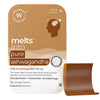 Pure Ashwagandha
₹649 – ₹1,298
Pure Ashwagandha
₹649 – ₹1,298
 Liposomal Zinc Complex (Chelated) | Pack of 60 Capsules
₹719 – ₹1,438
Liposomal Zinc Complex (Chelated) | Pack of 60 Capsules
₹719 – ₹1,438
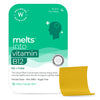 Vitamin B12
₹649 – ₹1,233
Vitamin B12
₹649 – ₹1,233
 Bioactive B Complex | Methylated B Vitamins with Biotin & Vitamin C | 60 Capsules
₹719 – ₹1,438
Bioactive B Complex | Methylated B Vitamins with Biotin & Vitamin C | 60 Capsules
₹719 – ₹1,438