Let's be honest for a second: how many of you have reached for your morning chai or coffee before you've even brushed your teeth? You're not alone. In India, over 80% of urban adults consume caffeine daily, and a significant chunk of them can't function without it. That's not a lifestyle choice anymore. That's caffeine dependence.
But here's the thing: reversing caffeine dependency doesn't mean giving up your favourite beverage cold turkey and suffering through splitting headaches for a week. It's about being smart, gradual, and kind to your body. Let's break it down.
First, Let's Talk About Caffeine Dependence Symptoms
Before we fix the problem, you need to identify it. Caffeine dependence is a real, recognised condition.
Common caffeine dependence symptoms include:
-
Headaches (the classic sign, usually begins within 12-24 hours of skipping your cup)
-
Fatigue and low energy, even after a full night's sleep
-
Irritability and mood dips
-
Difficulty concentrating
-
Flu-like symptoms in more severe cases: nausea, muscle aches
A landmark study in Psychopharmacology found that ~50% of regular caffeine users experience withdrawal symptoms when they skip their daily dose, and ~13% report significant distress that disrupts daily activities. [NIH]
Sound familiar?

Way #1: Taper Down, Don't Quit Cold Turkey
This is probably the most important advice, and the most ignored.
Cutting caffeine abruptly causes a sharp drop in adenosine receptor activity (adenosine is the "tiredness" chemical caffeine blocks). Your brain goes into overdrive, which is why headaches hit so hard and fast.
What to do instead: Reduce your intake by 10-25% every 1-2 weeks. If you're having 4 cups of coffee a day, bring it to 3, then 2, then 1.
Practical tip for India: If you're used to 3 cups of chai, try switching one cup to a weaker brew by using less tea leaves or a smaller teabag. Small changes, big results.
Way #2: Time Your Caffeine Intake Strategically
Most people drink caffeine the moment they wake up, and that's actually working against you. Your body naturally produces the highest levels of cortisol (your alertness hormone) between 8-9 AM. Drinking caffeine during this window means your body relies on it instead of its own hormonal system.
Neuroscientist Andrew Huberman recommends delaying your first caffeine hit by 90-120 minutes after waking up. This allows cortisol to peak naturally and trains your brain to function independently.
Try this: Wake up, get some sunlight, drink a glass of water, and hold off on coffee until 9:30 or 10 AM. Within 2 weeks, many people report feeling naturally more alert in the mornings.
Way #3: Replace the Ritual, Not Just the Drink
Here's a truth most people miss: caffeine dependence isn't only physical. It's deeply habitual and psychological. The warmth of the cup, the break in your day, the smell of a fresh brew -- all of this trigger's dopamine. You're hooked on the ritual as much as the caffeine itself.
Enter: Matcha.

Matcha contains L-theanine, an amino acid that promotes calm, focused energy without the jitteriness or crash associated with coffee.
A study in Nutritional Neuroscience confirmed that L-theanine combined with a lower dose of caffeine (as found in matcha) significantly improves attention and alertness compared to caffeine alone. [NIH]
Matcha has roughly 30-50 mg of caffeine per cup vs. coffee's 80-100 mg, making it an ideal step-down option.
Upgrade to Matcha Collagen
If you want to double the benefit, try matcha collagen: matcha powder blended with collagen peptides. Collagen peptides support skin elasticity, joint health, and gut lining.
For women especially (and increasingly men), this combo supports healthy lifestyle habits on multiple fronts. You get calm energy, beauty nutrition, and gut health, all in one warm, soothing cup. It's a win-win swap.
Way #4: Fix Your Sleep First
Here's the vicious cycle no one talks about: poor sleep leads to needing more caffeine, which disrupts sleep, which leads to needing even more caffeine. Around 93% of Indian adults report inadequate sleep, and caffeine is a significant contributing factor.
Caffeine has a half-life of 5-7 hours. That means a 3 PM coffee still has half its caffeine active in your system at 9 PM.

Action steps:
-
Avoid caffeine after 2 PM (or 12 PM if you're sensitive)
-
Aim for a consistent sleep schedule, even on weekends
-
Replace your evening chai with ashwagandha latte or golden milk, both of which have adaptogenic properties that support cortisol regulation and sleep quality
Way #5: Tackle the Energy Root Cause
Ask yourself honestly: Why do I need caffeine in the first place? If the answer is chronic fatigue, stress, or low motivation, caffeine is a band-aid, not a cure.
Real energy comes from:
-
Hydration: Even 1-2% dehydration reduces cognitive performance by up to 20%.[NIH] Drink 2.5-3 litres of water daily
-
Movement: Just 10-20 minutes of walking increases dopamine and serotonin naturally
-
B vitamins and iron: Deficiencies (common in India, especially among women) directly cause fatigue. Get a blood test done
-
Balanced meals: Blood sugar crashes mimic fatigue and trigger caffeine cravings
Building these healthy lifestyle habits reduces the perceived need for caffeine, making the transition far smoother.

Key Takeaways
-
Caffeine dependence is real and medically recognised. Withdrawal symptoms like headaches, fatigue, and irritability are your body signalling dependence, not weakness.
-
Taper gradually. Reducing by 10-25% every 1-2 weeks prevents severe withdrawal and makes the process sustainable.
-
Switch to matcha or matcha collagen. You get calm, focused energy via L-theanine, fewer jitters, less caffeine, and bonus benefits from collagen peptides.
-
Timing matters. Delay your first caffeine intake by 90 minutes post-waking and cut off intake by 2 PM to protect sleep quality.
-
Fix the root cause. Hydration, sleep, nutrition, and movement are the real foundations of sustainable energy. Caffeine should be a tool, not a crutch.
FAQs
1. How much caffeine is too much?
The WHO and FDA consider up to 400 mg/day (roughly 4 cups of coffee) safe for healthy adults. Beyond that, the risk of dependence, anxiety, and sleep disruption rises significantly.
2. How long does it take to reverse caffeine dependency?
With a gradual taper, most people see significant improvement in 2-4 weeks. Cold turkey can resolve symptoms in 7-10 days but comes with harsher withdrawal.
3. Is chai (tea) also responsible for caffeine dependence?
Absolutely. A standard cup of Indian chai contains 40-70 mg of caffeine. If you're drinking 4-6 cups a day, that adds up fast.
4. What are the first caffeine dependence symptoms to look out for?
The earliest signs are usually a headache within 12-24 hours of skipping your regular dose, followed by fatigue and irritability.
5. Can matcha replace coffee completely?
Yes, for many people. Matcha offers a gentler caffeine curve with L-theanine keeping energy steady -- no spike, no crash. It's a fantastic swap, especially as a step-down during the tapering process.
6. What is matcha collagen, and is it safe?
Matcha collagen is matcha powder combined with hydrolysed collagen peptides. It's generally safe for most adults and is especially popular for its combined skin, gut, and energy benefits.
7. Will I lose my productivity if I cut caffeine?
Short-term, possibly -- but only during the adjustment period. Long-term, most people report more stable energy, better sleep, and sharper focus without the dependency.
8. Are collagen peptides the same as protein powder?
Not exactly. Collagen peptides are a specific type of protein derived from animal sources (bovine, marine), rich in glycine, proline, and hydroxyproline; amino acids particularly supportive of skin, joints, and gut health.
9. Does caffeine affect mental health?
Yes. Excessive caffeine can exacerbate anxiety, panic disorders, and insomnia. Studies have found a strong association between high caffeine intake and increased anxiety scores among young adults. [NIH]
10. What's the best morning drink to replace coffee in India?
Great options include: matcha latte, matcha collagen, turmeric golden milk, ashwagandha latte, or jeera (cumin) water. Each supports energy and gut health without the dependence risk.

Recommended Products
 Korean Marine Collagen - Blueberry Mint
₹1,018 – ₹1,993
Korean Marine Collagen - Blueberry Mint
₹1,018 – ₹1,993
 Pure Korean Marine Collagen Peptides | Unflavored | Combat Signs of Ageing
₹1,745 – ₹6,476
Pure Korean Marine Collagen Peptides | Unflavored | Combat Signs of Ageing
₹1,745 – ₹6,476
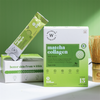 Matcha Collagen
₹1,614
Matcha Collagen
₹1,614