The first rain hits, and something in your brain rewires itself. Suddenly it's all crispy pakoras, steaming chai, and rich, ladled-out comfort food.
Your taste buds are throwing a party. Your gut is quietly bracing for impact.
Monsoon isn't just a mood and a smell. It's humidity spiking bacterial growth, produce spoiling twice as fast, water turning risky, and your digestive system working overtime just to keep up. The WHO has flagged it for years: diarrheal diseases and foodborne illness climb every rainy season, and most of it traces back to one thing, what's on the plate.
Here's the part that should be a relief. You don't need an "immunity diet." You don't need imported superfoods or a supplement cabinet the size of a pharmacy. The best food to eat in monsoon is almost certainly already in your kitchen, sitting there, underused, waiting for you to actually cook with it.
This is your guide to monsoon season food: seven foods worth eating on repeat, the reasoning behind why they work, and the habits that matter just as much as the ingredients themselves.
Why Monsoon Food Rules Are Different
You're not being dramatic. Your stomach really is more sensitive right now.
Here's what's happening behind the scenes.
Humidity is a bacteria accelerant. Warm, damp air is the exact environment microbes multiply fastest in. Fresh produce turns faster than it did last month. Water gets riskier as contamination spikes during heavy rain. Digestive infections rise, not by coincidence but by chemistry and climate colliding. And when movement drops and cravings shift toward oily comfort food, gut health takes the hit.
So food during monsoon season isn't about restriction. It's about choosing meals that are fresh, warm, and easy to digest instead of just reaching for whatever's fried and closest.
1. Moong Dal with Rice
If monsoon food items had a hall of fame, moong dal walks in first.
Split yellow moong is one of the gentlest legumes on digestion, and it's not lightweight nutritionally either. It brings plant protein, folate, potassium, magnesium, and soluble fiber in one bowl. Add warm rice, a spoon of ghee, a crack of black pepper, and you've built a complete, gut friendly meal in fifteen minutes.
The detail most people miss: that pinch of black pepper isn't just flavour. Piperine, its active compound, helps your body absorb other beneficial plant compounds in the meal. One small habit, compounding benefits.
Fresh, hot, home cooked. It's still the safest food we eat in monsoon, no contest against anything reheated or left sitting out.

2. Bitter Gourd and Seasonal Gourds
Bitter gourd has a marketing problem. Nutritionally, it's one of the smartest monsoon foods to eat, bitterness and all. It carries unique compounds such as charantin, momordicin, and polypeptide P, studied for their role in healthy blood sugar metabolism, along with antimicrobial properties documented in lab research. That sharp bitterness is essentially the plant's own antioxidant defense system at work.
Skip the deep fry. A light sauté with onions, turmeric, and fennel seeds keeps the nutrition intact without the harsh edge.
The rest of the gourd family deserves credit too. Bottle gourd, ridge gourd, ash gourd, and pumpkin rarely get hype, but they're naturally hydrating, low calorie, and potassium rich, everything a fried snack isn't. Roast them, steam them, drop them into dal, or blend them into a soup. Sometimes the healthiest food of monsoon season isn't a discovery at all. It's just the vegetable you've been walking past at the market.
3. Turmeric, Black Pepper, Garlic, and Ginger
Some pairings never go out of style, and this quartet forms the backbone of nearly every dal, soup, and broth on this list, which is exactly why it's a staple of Indian monsoon food.
Turmeric's reputation isn't hype. Curcumin, its main compound, brings real antioxidant and anti-inflammatory properties. But curcumin alone is absorbed poorly, and that's where black pepper steps in.
Piperine noticeably improves curcumin absorption; the often quoted "2,000 %" figure comes from concentrated lab extracts [NIH], so don't expect miracles from a pinch in your dal, but the pairing is still a genuine upgrade to everyday cooking.
Garlic's power compound, allicin, doesn't even exist until the clove is crushed or chopped.
Here's the trick almost nobody uses: let crushed garlic rest for ten minutes before cooking it. More allicin develops in that window than if you throw it straight into hot oil.
Ginger brings its own arsenal, gingerols and shogaols, both studied for supporting digestion, easing nausea, and helping normal gastric emptying. Together, this combination also underpins kadha, the warm herbal brew of tulsi, ginger, black pepper, cinnamon, cloves, and honey that Indian households have leaned on for generations, valued for its polyphenols and its role in supporting seasonal throat comfort.
On days brewing fresh herbs isn't realistic, a Kadha tablet is a convenient way to keep those same ingredients in the routine.

4. Fresh Fermented Foods
Common myth: all fermented food is off limits during monsoon.
Reality: freshly made idli and dosa, from properly fermented rice-lentil batter, remain excellent choices. Fermentation pre-breaks down proteins and carbs before they even reach your stomach, making nutrients easier to absorb and boosting certain B vitamins along the way.
The rule isn't "avoid fermented." The rule is freshness. Skip anything left unrefrigerated or sitting out too long. Done right, these dishes are among the most underrated monsoon foods India has quietly perfected for generations.
5. Seasonal Fruits
Summer fruit gets all the attention. Monsoon has its own lineup, and it's underrated.
Guava often beats oranges gram for gram on vitamin C. Pomegranate is loaded with punicalagins, potent antioxidant polyphenols. Jamun gets its deep purple from anthocyanins, studied for metabolic health. Pears bring soluble fiber that feeds gut bacteria while staying gentle on digestion.
Wash everything under running water, and skip pre-cut fruit from roadside stalls; convenient, but a real contamination risk this time of year.
If intake still falls short some days, a Vitamin C + Zinc tablet can fill the gap, not as a replacement for whole fruit, but as a practical backup on the days your plate doesn't cooperate.
6. Warm Soups Over Fried Snacks
Sometimes the ingredient matters less than the method.
Warm broths, vegetable stews, and lightly spiced lentil soups digest far easier than anything deep fried. Moong dal soup, tomato soup, pumpkin soup, and light chicken broth all deliver hydration, protein, and micronutrients without the digestive drag of fried food.
If you're chasing the best food for monsoon season, here's the simplest swap: steamed, boiled, or lightly sautéed, more often than fried. That's the entire upgrade.
7. Leafy Greens
Spinach, fenugreek leaves, and amaranth are rich in folate, vitamin K, magnesium, and antioxidants, and they're still worth eating in monsoon.
But their large surface area traps mud, moisture, and microbes more easily than almost anything else in the produce aisle. That's not a reason to cut them. It's a reason to wash them thoroughly under running water and cook them fully; no raw salads this season.

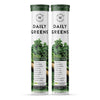
Still struggling to hit daily vegetable intake? A Daily Greens effervescent can round things out, a supplement to the plate, not a substitute for it.
Habits That Matter as Much as the Food Itself
Picking the right ingredients is half the job. The rest comes down to handling them well.
Eat freshly cooked meals whenever possible. Don't let food sit out for hours before eating it. Wash every fruit and vegetable thoroughly. Stick to safe, filtered water. Reheat leftovers once, not twice. Skip raw salads from restaurants and street vendors. Put protein on every plate. Rotate vegetables, fruits, legumes, herbs, and spices; variety is protection.
None of these are dramatic. All of them add up.
The Real Takeaway
Monsoon doesn't mean giving up comfort food. It means choosing comfort that works for you instead of against you.
The best food to eat in monsoon was never one miracle ingredient. It's the combination: fresh home-cooked meals, seasonal vegetables, fermented staples eaten fresh, warming spices doing double duty, and protein on every plate.
Whether you're figuring out monsoon season food in India, hunting for healthy foods to eat during monsoon, or just wondering what food we eat in monsoon on a lazy, rainy Tuesday, the answer keeps coming back to three words.
Eat fresh. Eat seasonal. Eat diverse.
Your gut will remember this season long after the rain stops.
Quick Takeaways
-
Freshly cooked monsoon food beats stored or reheated meals; humidity accelerates microbial growth fast.
-
Plant diversity each week supports a stronger gut microbiome. Rotate, don't repeat.
-
Ginger, garlic, turmeric, and black pepper aren't just flavour. They're functional.
-
Seasonal vegetables, fresh fermented foods, soups, and fruits remain the core of healthy food for monsoon season.
-
Vitamin C + Zinc tablets, Kadha, and Daily Greens work best as backup, never as a replacement for whole foods.
Frequently Asked Questions
1. What is the best food to eat in monsoon?
Freshly cooked meals built around lentils, seasonal vegetables, whole grains, fruits, and warming spices.
2. Which fruits are best during monsoon?
Guava, pomegranate, pears, jamun, apples, and citrus, all thoroughly washed before eating.
3. Is yogurt safe during monsoon?
Yes, as long as it's fresh and properly refrigerated, and you tolerate dairy well.
4. Why avoid stale food during monsoon?
Humidity speeds up bacterial and fungal growth, so improperly stored food spoils faster than expected.
5. Are soups better than fried snacks during monsoon?
Generally yes; easier to digest, more hydrating, and lower in the unhealthy fats fried food carries.
6. Is kadha good during monsoon?
A well-made Kadha, packed with herbs and spices, is a comforting way to work beneficial plant compounds into a balanced diet.
7. Can I eat leafy greens during monsoon?
Absolutely, just wash them thoroughly and cook them fully instead of eating them raw.
8. Why are spices important during monsoon?
Many carry polyphenols and bioactive compounds that boost both flavour and dietary quality.
9. Can supplements replace healthy monsoon foods?
No. Whole foods stay the foundation; supplements like Vitamin C + Zinc, Kadha, and Daily Greens are there to complement, not replace.
10. What are the healthiest Indian monsoon foods?
Moong dal with rice, seasonal gourds, bitter gourd, idli, dosa, soups, garlic, ginger, turmeric, fresh fruit, and homemade herbal brews, the tried-and-true lineup for the rainy season.

Recommended Products
 Organic Vitamin C + Zinc
₹758 – ₹2,035
Organic Vitamin C + Zinc
₹758 – ₹2,035
 Grandma's Kadha
₹568 – ₹1,525
Grandma's Kadha
₹568 – ₹1,525
 Daily Greens
₹1,043 – ₹2,800
Daily Greens
₹1,043 – ₹2,800