Collagen has been typecast.
For years, it has lived in the skincare aisle, draped in promises of glow, bounce, and fewer fine lines. But here’s the plot twist your cells have been waiting for: collagen benefits go far deeper than vanity. This protein is less a beauty extra and more the architectural blueprint of your body.
Collagen makes up nearly 30 percent of total body protein. It is the scaffold of your skin, the cushion in your joints, the weave in your gut lining, the tensile strength in your hair and nails. When levels begin to dip with age, stress, pollution, or nutritional gaps, the effects ripple quietly beneath the surface long before they show up in a mirror.
So let’s step beyond the glow narrative. Here are seven transformative, science-backed collagen benefits that can genuinely change how you feel, move, and function.
1. Supports Gut Lining Repair and Digestive Resilience

Your digestive tract is not just a food tunnel. It is a living barrier that decides what enters your bloodstream and what stays out. When this lining becomes compromised due to stress, poor diet, infections, or inflammation, symptoms like bloating, fatigue, and food sensitivities often follow.
Collagen contains amino acids such as glycine and proline that support gut lining repair and help maintain the structural integrity of intestinal tissue. Think of it as reinforcing the delicate seams of a silk fabric before it tears (NIH).
This is one reason why people searching for a collagen supplement for gut health often report improvements in digestion, reduced bloating, and better overall comfort. The benefit is subtle but profound. A stronger gut lining means better nutrient absorption, calmer inflammation, and more stable energy.
And when digestion improves, everything else tends to follow.
2. Enhances Joint Mobility and Everyday Movement

If you have ever felt stiffness while climbing stairs or a dull ache after workouts, you have felt the absence of collagen at work.
Cartilage, the smooth cushioning tissue between bones, is rich in collagen. As natural production declines with age, cartilage becomes thinner and less resilient. The result is reduced flexibility and discomfort.
One of the most researched collagen benefits is improved joint mobility. Clinical studies on collagen peptides for joints show potential improvements in comfort and flexibility, especially in physically active individuals and older adults (NIH).
Rather than masking discomfort, collagen works structurally by supporting the tissues that keep joints gliding smoothly. It is less about instant relief and more about long-term resilience.
Movement is freedom. Collagen quietly protects that freedom.
3. Improves Hair Thickness and Follicle Strength

When people think of collagen for hair growth, they often imagine surface shine. But the real story begins at the root.
Hair follicles are supported by a network of proteins, including collagen. Collagen also provides amino acids necessary for keratin production, the primary structural protein in hair.
Supporting collagen levels can contribute to improved hair thickness, reduced breakage, and stronger strands over time. Additionally, collagen’s antioxidant properties may help counter oxidative stress, a known factor in premature hair thinning (NIH).
It is not magic. It is infrastructure. Healthy scaffolding makes for healthier growth.
4. Strengthens Bones Beyond Calcium Alone

Calcium gets the spotlight in bone health conversations, but collagen forms the flexible
matrix upon which calcium deposits.
Without adequate collagen, bones may lose both density and shock absorption capacity. This is particularly relevant as we age and the risk of fragility increases.
Emerging research suggests that collagen supplements for bone health may support bone mineral density when combined with appropriate nutrition and strength training (NIH).
Imagine bones not as rigid sticks but as reinforced composite structures. Collagen provides the tensile strength. Minerals provide the hardness. Together, they create durability.
5. Supports Muscle Mass and Metabolic Health

Here is a benefit rarely discussed in beauty circles.
Muscle tissue contains collagen, and adequate protein intake is essential for maintaining lean mass. While collagen is not a complete protein on its own, it contributes specific amino acids that support connective tissue around muscle fibers.
For individuals focused on collagen protein benefits or exploring collagen powder benefits for women and men over 30, this becomes particularly relevant. As muscle mass naturally declines with age, supporting connective tissue can enhance recovery and structural integrity during training (NIH).
Stronger connective tissue means better force transmission. Better force transmission means stronger workouts.
Collagen, in this sense, becomes part of a broader metabolic strategy.
6. Improves Sleep Quality and Stress Recovery

This one surprises most people.
Collagen is rich in glycine, an amino acid known to support relaxation and improve sleep quality. Glycine has been studied for its role in lowering core body temperature slightly, which helps signal the body that it is time to rest (NIH).
When people explore health benefits of collagen, improved sleep is not usually the first item on the list. Yet deeper sleep enhances hormone regulation, tissue repair, and mental clarity.
Better sleep is the foundation of everything. Collagen simply contributes one of the building blocks.
7. Accelerates Recovery from Workouts and Daily Wear

Every time you exercise, lift groceries, or even sit at a desk with imperfect posture, micro-stress accumulates in connective tissues.
Collagen plays a role in maintaining tendons and ligaments, the quiet stabilizers that keep your body aligned and efficient. Supporting these tissues can improve recovery time and reduce the sense of lingering soreness (NIH).
Athletes increasingly use collagen peptides benefits as part of recovery protocols. Combined with vitamin C, collagen synthesis may be further optimized.
Recovery is not laziness. It is strategy. Collagen strengthens the recovery narrative.
How To Maximize Collagen Benefits
Understanding what are the benefits of collagen is one thing. Using it strategically so your body actually builds with it is where the magic lives.
Here is how to make collagen work harder for you, not just sit prettily in your pantry.
1. Choose Hydrolyzed Collagen Peptides

Not all collagen is created equal. Hydrolyzed collagen peptides are broken down into smaller amino acid chains, making them easier to absorb and utilize.
When people search for best collagen peptides or collagen powder benefits, absorption is the hidden variable. Smaller peptides mean better bioavailability, which means your body can actually put those building blocks to work.
2. Pair With Vitamin C

Vitamin C is not optional. It is the ignition switch for collagen synthesis.
Without adequate vitamin C, your body cannot efficiently convert amino acids into structured collagen fibers. Pairing your collagen with a vitamin C source, whether from citrus, amla, or supplementation, enhances the structural payoff.
3. Stay Consistent

Collagen is not caffeine. You will not “feel” it in 20 minutes. The real collagen benefits appear gradually over 8 to 12 weeks as tissues remodel and regenerate. Think of it as renovating a building brick by brick rather than repainting a wall overnight.
Consistency compounds.
4. Support With Lifestyle

Collagen does not work in isolation.
-
Resistance training stimulates connective tissue adaptation.
-
Protein-rich meals provide complementary amino acids.
-
Stress management reduces collagen breakdown.
-
Deep sleep enhances repair cycles.
When your lifestyle aligns with your supplementation, the results amplify.
If you are exploring a high-quality source, Wellbeing Nutrition Marine Collagen is worth considering.
Here is what makes it stand out:
• 8g hydrolyzed collagen peptides per serving for clinically meaningful daily support
• Type I & Type III collagen to target skin elasticity, connective tissue strength, and structural repair
• Ultra-low molecular weight bioactive peptides at 800 Daltons for superior cellular uptake
• 4x better absorption compared to standard collagen peptides
• Marine-derived collagen source rich in highly bioavailable Type I collagen
• High bioavailability peptide profile designed for efficient systemic utilization
• Clean-label formulation with no added sugar, gluten, soy, or artificial additives
Choosing the right collagen is not about hype. It is about bioavailability, purity, and consistency.
The Final Takeaway
The real power of collagen benefits lies not in reversing time but in reinforcing structure.
It supports gut lining repair, enhances joint mobility, improves hair thickness, strengthens bones, contributes to muscle integrity, supports sleep, and aids recovery. It moves quietly through your body, repairing, reinforcing, rebuilding.
Youthful skin is simply the most visible bonus. The deeper reward is structural confidence. You move better. You digest better. You recover better. You rest better.
And when the body feels supported from within, it shows. Not just in how you look. But in how you live.
FAQs
1. What are the real collagen benefits beyond skin health?
Beyond improving skin elasticity, collagen benefits include supporting gut lining repair, enhancing joint mobility, improving hair thickness, strengthening bones, aiding muscle recovery, and even promoting better sleep quality. Collagen functions as a structural protein throughout the body, influencing far more than just appearance.
2. Can collagen help with gut health and digestion?
Yes, collagen contains amino acids like glycine and proline that support gut lining repair and help maintain the integrity of the intestinal barrier. Many people use a collagen supplement for gut health to reduce bloating, improve digestion, and support nutrient absorption.
3. Does collagen improve joint mobility and reduce stiffness?
Collagen plays a critical role in maintaining cartilage, the cushioning tissue between joints. Research on collagen peptides for joints suggests that consistent supplementation may enhance joint mobility, flexibility, and overall comfort, especially in active individuals and aging adults.
4. Can collagen increase hair thickness and support hair growth?
Collagen provides amino acids necessary for keratin production, the main structural protein in hair. Regular intake may contribute to improved hair thickness, reduced breakage, and stronger strands, making collagen for hair growth a popular wellness strategy.
5. How long does it take to see collagen benefits?
Most studies suggest noticeable collagen benefits appear after 8 to 12 weeks of consistent use. Since collagen supports tissue remodeling, results develop gradually as your body rebuilds and strengthens connective tissues.
6. What is the best way to take collagen for maximum absorption?
For optimal results, choose hydrolyzed collagen peptides with low molecular weight for better bioavailability. Pairing collagen with vitamin C enhances synthesis, making this combination ideal for maximizing collagen powder benefits.
7. Is marine collagen better than other types of collagen?
Marine collagen is rich in Type I collagen and often features smaller peptide sizes, which may improve absorption. Many people choose marine-based options when looking for highly bioavailable collagen to support skin, joints, bones, and connective tissue health.

Recommended Products
 Glow Korean Marine Collagen Peptides with Liposomal Glutathione & Vitamin C | Tropical Bliss Flavour | 250g
₹1,939 – ₹7,196
Glow Korean Marine Collagen Peptides with Liposomal Glutathione & Vitamin C | Tropical Bliss Flavour | 250g
₹1,939 – ₹7,196
 Glow Korean Marine Collagen Peptides with Liposomal Glutathione & Vitamin C | Valencia Orange Flavour | 250g
₹1,939 – ₹7,196
Glow Korean Marine Collagen Peptides with Liposomal Glutathione & Vitamin C | Valencia Orange Flavour | 250g
₹1,939 – ₹7,196
 Glutathione Skin Fuel Pro+ Strawberry Flavour
₹1,044 – ₹5,803
Glutathione Skin Fuel Pro+ Strawberry Flavour
₹1,044 – ₹5,803
 Glutathione Skin Fuel Pro+ Valencia Orange Flavour
₹879 – ₹5,275
Glutathione Skin Fuel Pro+ Valencia Orange Flavour
₹879 – ₹5,275
 Korean Marine Collagen - Blueberry Mint
₹1,018 – ₹1,993
Korean Marine Collagen - Blueberry Mint
₹1,018 – ₹1,993
 Matcha Collagen
₹1,614
Matcha Collagen
₹1,614
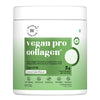 Vegan Pro Collagen Lemon Lime
₹1,745 – ₹3,418
Vegan Pro Collagen Lemon Lime
₹1,745 – ₹3,418
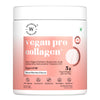 Vegan Pro Collagen Mixed Berries
₹1,745 – ₹3,418
Vegan Pro Collagen Mixed Berries
₹1,745 – ₹3,418
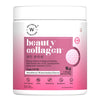 Beauty Collagen Strawberry Watermelon Flavour
₹1,939 – ₹7,196
Beauty Collagen Strawberry Watermelon Flavour
₹1,939 – ₹7,196
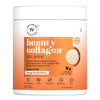 Beauty Korean Marine Collagen Peptides Mango Peach Flavour
₹1,939 – ₹7,196
Beauty Korean Marine Collagen Peptides Mango Peach Flavour
₹1,939 – ₹7,196