Cholesterol rarely announces itself loudly. It builds quietly. Layer by layer. Inside arteries that were once flexible and wide.
You may not feel it. You may not see it. Sometimes the only clues are subtle high cholesterol symptoms like fatigue, heaviness after meals, or borderline lab reports that doctors politely call “something to monitor.”
Behind that quiet rise sit common high cholesterol causes. Sedentary routines. Refined carbohydrates. Stress hormones that never clock out. Genetics that load the dice.
And while diet and movement form the foundation, what you drink every day can either nudge your lipid profile in the right direction or silently work against it.
Let’s explore the science-backed, metabolic-supporting beverages that can function as a natural drink to lower cholesterol, without hype and without shortcuts.
How Drinks Influence Cholesterol
Before we dive in, a quick metabolic lens.
Cholesterol levels are influenced by:
-
LDL particle production in the liver determines how much low-density lipoprotein cholesterol is released into the bloodstream.
-
Bile acid recycling influences how efficiently cholesterol is reused or eliminated from the body.
-
Inflammation and oxidative stress can damage blood vessels and accelerate the harmful effects of elevated cholesterol.
-
Insulin sensitivity affects how well the body manages blood sugar and fat metabolism, which directly impacts cholesterol levels.
-
Gut microbiome balance plays a role in how cholesterol is absorbed, metabolised, and excreted through the digestive system.
Certain bioactive compounds in beverages such as polyphenols, soluble fibers, plant sterols, and antioxidants influence these pathways.
That’s what makes some cholesterol reducing drinks far more than hydration. They become metabolic signals.
1. Green Tea

Green tea remains one of the most extensively studied cholesterol drinks in cardiovascular research. Its strength lies in its catechins, especially epigallocatechin gallate, commonly known as EGCG.
Green tea helps (NIH):
-
Reduce LDL oxidation by supplying catechins like EGCG that neutralise free radicals before they damage LDL particles.
-
Support endothelial function by improving nitric oxide availability, which helps blood vessels stay relaxed and responsive.
-
Improve lipid metabolism in the liver by influencing enzymes involved in cholesterol synthesis and clearance.
Consider green tea less as a quick fix and more as a daily antioxidant cleansing ritual for your vascular system, steady, intelligent, and quietly protective.
2. Oat Milk or Oat-Based Drinks

Oat-based beverages are widely recognised in lipid research for their beta-glucan content, a soluble fiber with clinically validated cholesterol-lowering effects.
Oat drinks help (NIH):
-
Bind bile acids in the gut through beta-glucan’s gel-forming action, reducing their reabsorption.
-
Increase LDL clearance as the liver pulls cholesterol from circulation to produce new bile acids.
-
Improve overall lipid balance by slowing cholesterol absorption in the digestive tract.
When used consistently, oat-based beverages can function as a practical best drink to reduce cholesterol, especially when replacing high-sugar or high-saturated-fat alternatives.
3. Pomegranate Juice

Pomegranate is rich in punicalagins and potent polyphenols that target oxidative stress at a vascular level.
Pomegranate juice helps (NIH):
-
Reduce LDL oxidation by delivering antioxidants that stabilise cholesterol particles.
-
Protect endothelial cells from inflammatory damage.
-
Support healthier arterial function by lowering oxidative burden.
A small, unsweetened serving is sufficient. With pomegranate, concentration matters more than quantity.
4. Tomato Juice

Tomatoes are a concentrated source of lycopene, a carotenoid extensively studied for cardiovascular support.
Tomato juice helps (NIH):
-
Lower LDL levels by influencing lipid-regulating enzymes.
-
Reduce total cholesterol through antioxidant-mediated mechanisms.
-
Decrease inflammatory markers that contribute to plaque development.
Fresh, low-sodium tomato juice becomes a simple but strategic addition to a heart-supportive routine.
5. Almond Milk

Almonds naturally contain plant sterols and monounsaturated fats known to support healthy cholesterol levels.
Almond milk helps (NIH):
-
Reduce LDL absorption by supplying plant sterols that compete with cholesterol in the gut.
-
Improve lipid ratios through heart-friendly unsaturated fats.
-
Support overall cardiovascular health when replacing saturated-fat-heavy beverages.
It is not a dramatic intervention. It is a quiet dietary upgrade that compounds over time.
6. Soy Milk

Soy protein has been extensively researched for its lipid-modulating properties and remains one of the most evidence-backed plant proteins for heart health.
Soy milk helps (NIH):
-
Lower LDL cholesterol by enhancing liver LDL receptor activity.
-
Reduce cholesterol absorption through bioactive soy peptides.
-
Improve overall lipid profile when replacing high-saturated-fat dairy options.
For many individuals, soy milk becomes a reliable best drink for cholesterol through consistent substitution.
7. Hibiscus Tea

Hibiscus is rich in anthocyanins and polyphenols that exert both antioxidant and lipid-lowering effects.
Hibiscus tea helps (NIH):
-
Reduce total and LDL cholesterol by modulating lipid metabolism pathways.
-
Lower oxidative stress through its high anthocyanin content.
-
Support vascular elasticity while also assisting blood pressure balance.
Its deep crimson color signals bioactive intensity working quietly within the cardiovascular system.
8. Psyllium Husk Water

Psyllium is a clinically validated soluble fiber often used in structured cholesterol management plans.
Psyllium water helps (NIH):
-
Form a viscous gel in the gut that traps cholesterol and bile acids.
-
Increase cholesterol excretion by reducing reabsorption.
-
Lower LDL levels when taken consistently alongside adequate hydration.
Used regularly, it becomes a targeted natural drink to lower cholesterol, particularly for borderline elevations.
9. Cocoa or Dark Chocolate Drink

Unsweetened cocoa is rich in flavanols known for vascular protective effects.
Cocoa beverages help (NIH):
-
Reduce LDL oxidation through antioxidant flavanol activity.
-
Improve endothelial function by enhancing nitric oxide production.
-
Support healthier blood flow and arterial responsiveness.
The benefit lies in high-cocoa, low-sugar formulations. The flavonoids do the work, not the sweetness.
10. Turmeric Golden Milk

Turmeric contains curcumin, a compound with anti-inflammatory and lipid-regulating properties.
Turmeric beverages help (NIH):
-
Reduce inflammatory signalling that contributes to plaque formation.
-
Support healthier lipid ratios by influencing cholesterol metabolism pathways.
-
Enhance antioxidant defense when paired with black pepper to improve absorption.
A warm cup in the evening supports both cardiovascular balance and nervous system recovery, a dual benefit that makes it metabolically elegant.
What These Drinks Can and Cannot Do
Here’s the grounded truth. These drinks to lower cholesterol can support better lipid metabolism. They can reduce oxidative stress. They can assist bile acid excretion.
But they are not substitutes for:
-
A fiber-rich diet
-
Strength and aerobic exercise
-
Weight management
-
Medical guidance when needed
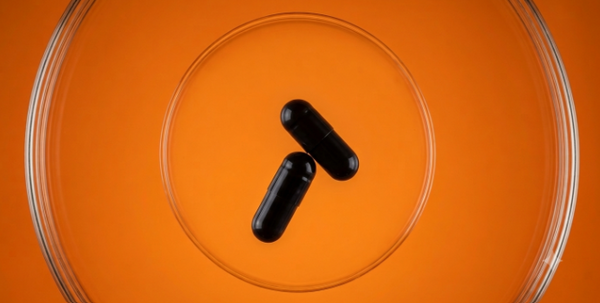
For individuals with persistent elevations, combining dietary strategies with evidence-based supplementation such as Cholesterol Control Capsules may offer additional support under professional supervision.
When to Consider Extra Support
If lab results consistently show:
-
LDL above optimal range
-
Low HDL
-
Elevated triglycerides
Or if there are multiple high cholesterol causes like family history and insulin resistance, lifestyle alone may not be enough.
That’s when structured plans integrating foods to lower cholesterol, targeted beverages, movement, stress management, and clinically formulated support become powerful together.
Cholesterol management is not about restriction. It is about metabolic intelligence.
The Final Takeaway
There is no single miracle best drink to reduce cholesterol. But there is a pattern. Polyphenols. Soluble fiber. Plant sterols. Antioxidants.
When these compounds enter your daily rhythm through smart cholesterol reducing drinks, they gently influence the chemistry of your blood and the resilience of your arteries.
Think of each cup not as a quick fix, but as a quiet vote for long-term cardiovascular clarity.
FAQs
1. What is the best drink to reduce cholesterol naturally?
There is no single miracle best drink to reduce cholesterol, but beverages rich in soluble fiber, polyphenols, and plant sterols such as green tea, oat drinks, hibiscus tea, and soy milk can support healthier LDL levels when consumed consistently.
2. Can drinks really help lower cholesterol levels?
Yes, certain cholesterol reducing drinks can support lipid metabolism by reducing LDL oxidation, improving bile acid excretion, and enhancing endothelial function. However, they work best alongside a balanced diet and regular exercise.
3. How often should I drink these drinks to lower cholesterol?
Most studies suggest daily or near-daily intake for noticeable benefits. Consistency matters more than quantity when using a natural drink to lower cholesterol.
4. Are cholesterol drinks enough to manage high cholesterol?
While cholesterol drinks can support heart health, they are not substitutes for medical care. Individuals with persistent elevations or strong high cholesterol causes such as genetics may require structured plans and professional guidance.
5. Which drinks help reduce LDL cholesterol specifically?
Green tea, soy milk, oat-based drinks, psyllium water, and hibiscus tea are among the most researched drinks to lower cholesterol, particularly LDL cholesterol.
6. What are common high cholesterol symptoms to watch for?
High cholesterol often has no obvious symptoms. Subtle signs may include fatigue, heaviness after meals, or abnormal lipid reports, making regular blood tests essential for early detection.
7. Should I combine cholesterol drinks with supplements?
In some cases, combining foods to lower cholesterol, targeted beverages, and clinically formulated options like Cholesterol Control Capsules may provide additional support, especially for individuals with elevated LDL or triglycerides. Always consult a healthcare professional before starting supplementation.

Recommended Products
 Cholesterol Control Slow
₹1,357 – ₹2,658
Cholesterol Control Slow
₹1,357 – ₹2,658