Health rarely unravels in dramatic scenes. It shifts quietly. A slower recovery from workouts. Skin that looks dull despite a good routine. Frequent sniffles that linger longer than they should. Often, these are not signs of something major. They are whispers of micronutrient gaps.
Two nutrients sit at the center of this silent story: Vitamin C and zinc. Individually powerful. Biologically elegant. Together, deeply synergistic. Let us explore why Vitamin C and Zinc Supplements are not just seasonal fixes, but foundational support for modern health.
The Science Behind the Synergy
Vitamin C, also known as ascorbic acid, is a water-soluble antioxidant. Zinc is a trace mineral involved in over 300 enzymatic reactions. When combined, they create a biological partnership that influences immune resilience, skin repair, metabolic balance, and cellular recovery.
Vitamin C enhances zinc absorption. Zinc supports immune cell signaling. Together, they help regulate inflammation, oxidative stress, and tissue repair.
This is why discussions around Vitamin C and Zinc benefits are increasingly moving beyond “immunity support” into deeper physiological territory.
1. To Strengthen Immunity

Immunity is not just about fighting pathogens. It is about calibrated response. Vitamin C enhances neutrophil migration and phagocytosis while shielding immune cells from oxidative self-damage during infection, and zinc regulates T-cell maturation along with cytokine balance so the immune system responds with precision rather than excess.
The real Vitamin C and Zinc benefits here lie in sharper immune signaling, reduced collateral inflammation, and more efficient recovery cycles (NIH).
2. To Support Collagen and Structural Integrity

Collagen is the scaffolding that holds skin, blood vessels, and connective tissue together. Vitamin C is indispensable for collagen hydroxylation, a biochemical modification that stabilizes collagen fibers at the molecular level, while zinc supports DNA synthesis and cellular replication necessary for tissue turnover (NIH).
Over time, even mild vitamin C deficiency or zinc deficiency can subtly compromise wound healing, skin elasticity, and structural resilience.
3. To Combat Oxidative Stress

Every breath, every workout, every stressful day generates reactive oxygen species. Vitamin C acts as a frontline water-soluble antioxidant circulating in plasma, donating electrons to neutralize free radicals before they disrupt cellular membranes, and zinc strengthens endogenous antioxidant enzymes such as superoxide dismutase (NIH).
These coordinated Vitamin C and Zinc benefits help buffer cumulative oxidative stress that otherwise accelerates cellular aging.
4. To Improve Recovery and Repair

Recovery is a metabolically expensive process. Vitamin C regenerates oxidized antioxidants and enhances iron absorption, indirectly supporting mitochondrial energy production, while zinc drives protein synthesis and enzymatic reactions essential for tissue repair (NIH).
This is why well-formulated Vitamin C and Zinc Supplements play a strategic role in maintaining repair efficiency during periods of stress, illness, or intense physical demand.
5. To Support Hormonal and Metabolic Balance

Hormones operate through finely tuned biochemical cascades, and micronutrients quietly regulate that precision. Zinc plays a critical role in insulin signaling, thyroid hormone metabolism, and even reproductive hormone balance, while vitamin C participates in adrenal function and the synthesis of certain neurotransmitters that influence stress response (NIH).
When intake is inadequate, subtle metabolic inefficiencies can emerge, whereas consistent Vitamin C and Zinc Supplements help maintain hormonal stability and reinforce long-term metabolic resilience.
Food Sources and Deficiency Awareness
Vitamin C is abundant in citrus fruits, amla, guava, bell peppers, and leafy greens, yet it is highly sensitive to heat and storage, which can significantly reduce its potency before it reaches your plate. Zinc is found in seeds, legumes, nuts, dairy, and whole grains, though its absorption depends on preparation methods since phytates in plant foods can limit bioavailability.
Even balanced diets may not consistently meet optimal requirements under stress or irregular eating patterns.
Early signs of vitamin C deficiency may include:
-
Persistent fatigue
-
Gum sensitivity or bleeding
-
Easy bruising
-
Slow wound healing
-
Dry or rough skin
Indicators of zinc deficiency can include:
-
Reduced immune resilience
-
Frequent infections
-
Hair thinning
-
Skin irregularities or breakouts
-
Altered taste perception
Subclinical deficiencies often remain unnoticed, yet they subtly influence immune efficiency, tissue repair, and everyday vitality.
Practical Ways to Integrate Them
Small daily shifts create nutritional certainty. Here is how to make Vitamin C and Zinc Supplements work effectively in real life:
-
Add one raw vitamin C–rich food daily such as amla, guava, citrus, or bell peppers instead of relying only on cooked vegetables.
-
If you consume legumes or beans regularly, soak them overnight and cook thoroughly to reduce phytates and improve zinc absorption.
-
Take your vitamin C and zinc tablets after breakfast or lunch, not on an empty stomach, to improve tolerance and absorption.
-
Pair zinc-rich meals with protein sources like lentils with yogurt or seeds with curd to enhance bioavailability.
-
Avoid taking zinc alongside high-dose calcium or iron supplements at the same time, as they may compete for absorption.
-
Stay consistent with dosage rather than increasing intake only when you feel unwell, because physiological balance is built daily, not episodically.
Practical nutrition is not complicated. It is structured repetition done intelligently.
The Final Takeaway
Health is rarely about dramatic interventions. It is about maintaining biochemical stability in the face of continuous stress. Vitamin C and Zinc Supplements provide structural antioxidant defense, immune regulation, and cellular repair support that modern lifestyles often demand.
When food intake, environmental exposure, or stress increases nutritional requirements, strategic supplementation becomes less about boosting and more about sustaining long-term resilience.
FAQs
1. What are the key Vitamin C and Zinc benefits for overall health?
The combined Vitamin C and Zinc benefits include enhanced immune precision, improved collagen synthesis, antioxidant protection, and better tissue repair. Together, they regulate inflammatory balance and support cellular recovery under stress. Their synergy makes them more effective than when taken in isolation.
2. Who should consider taking Vitamin C and Zinc Supplements?
Individuals with frequent infections, high stress levels, poor dietary intake, intense physical activity, or signs of micronutrient gaps may benefit. Those following restrictive or plant-heavy diets may also require additional zinc support due to absorption limitations. Supplementation helps maintain consistent physiological adequacy.
3. Can I get enough vitamin C and zinc from food alone?
In theory, yes, through citrus fruits, amla, guava, seeds, legumes, and nuts. However, heat, storage losses, soil depletion, and phytate interference can reduce effective intake. This is why many people use vitamin C and zinc tablets to bridge modern dietary gaps.
4. What are early signs of vitamin C deficiency?
Early vitamin C deficiency may present as fatigue, gum sensitivity, easy bruising, dry skin, or slow wound healing. These symptoms often develop gradually rather than dramatically. Subclinical deficiency can still influence immune efficiency and collagen integrity.
5. What are the symptoms of zinc deficiency?
Common signs of zinc deficiency include reduced immune resilience, frequent infections, hair thinning, skin breakouts, delayed wound healing, and altered taste perception. Mild deficiencies can affect hormonal and metabolic regulation. Long-term inadequacy may impair tissue repair and immune signaling.
6. When is the best time to take vitamin C and zinc tablets?
It is generally recommended to take vitamin C and zinc tablets with meals to improve tolerance and absorption. Avoid combining zinc with high-dose iron or calcium at the same time, as they may compete for absorption. Consistency in timing supports stable nutrient levels.
7. Are Vitamin C and Zinc Supplements safe for daily use?
When taken in evidence-based dosages, Vitamin C and Zinc Supplements are considered safe for regular use. Extremely high doses may cause digestive discomfort or interfere with mineral balance, particularly zinc and copper interactions. Choosing balanced formulations and following recommended intake guidelines ensures long-term safety and effectiveness.

Recommended Products
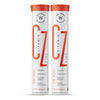 Organic Vitamin C + Zinc
₹758 – ₹2,035
Organic Vitamin C + Zinc
₹758 – ₹2,035