You wake up with that familiar scratch in your throat, a dull heaviness behind the eyes, and the quiet realization that your immune system might be asking for backup. So you reach for Vitamin C. Then your hand hovers over Zinc. And suddenly the question appears, not out loud, but in the back of your mind:
Can you take zinc and vitamin C together?
It’s a simple question. But beneath it lives a complex symphony of cellular biology, immune signaling, nutrient transport, and metabolic cooperation. Because Vitamin C and Zinc don’t merely coexist in your body. They collaborate.
And when taken correctly, vitamin C and zinc together form one of the most elegant, research-backed nutritional partnerships in modern wellness.
Let’s explore why.
Why Vitamin C and Zinc Make a Powerful Pair
Your immune system isn’t a single organ. It’s a vast communication network made up of white blood cells, signaling proteins, epithelial barriers, and antioxidant defenses, all constantly exchanging information.
Vitamin C enters this system as a powerful water-soluble antioxidant, protecting immune cells from oxidative stress while enhancing neutrophil migration, phagocytosis, and pathogen clearance.
Zinc arrives as a catalytic mineral, activating more than 300 enzymes, supporting T-cell maturation, and regulating inflammatory responses.
When combined, vitamin C and zinc together don’t just strengthen immunity.
They optimize it.
-
Vitamin C improves zinc absorption and cellular uptake.
-
Zinc enhances Vitamin C’s role in immune signaling.
-
Both contribute to collagen synthesis, wound repair, and barrier integrity.
Think of Vitamin C as the strategist and Zinc as the structural engineer. One directs the immune response. The other builds the infrastructure to sustain it.
What Happens in Your Body When You Take Them Together?
When you consume vitamin C + zinc tablets, your body doesn’t just absorb two nutrients. It activates a coordinated biological response across immune cells, connective tissue, and inflammatory pathways, creating a layered defense system that works from the bloodstream all the way to your skin and gut lining.
Here’s what unfolds at a cellular level:
1. Faster Immune Response

Vitamin C rapidly accumulates inside neutrophils, enhancing their ability to migrate toward infection sites and neutralize pathogens through improved phagocytosis and oxidative burst activity. Zinc simultaneously supports the development and activation of T-lymphocytes, ensuring these immune cells mature properly and communicate effectively.
Together, they shorten reaction time, strengthen immune signaling, and improve your body’s capacity to respond quickly before minor infections escalate into full-blown illness (NIH).
2. Reduced Inflammation Load

During immune activation, your body produces reactive oxygen species that can damage healthy tissue if left unchecked. Vitamin C acts as a primary antioxidant buffer, neutralizing this oxidative stress, while zinc modulates inflammatory cytokines, preventing the immune system from tipping into chronic inflammation.
This dual action allows your body to fight invaders efficiently without triggering excessive immune responses that lead to fatigue, soreness, or prolonged recovery (NIH).
3. Stronger Physical Barriers

Your skin, respiratory lining, and gut mucosa form the first physical shield against pathogens, and both nutrients play a vital role in maintaining their integrity. Zinc supports epithelial cell turnover and tight junction stability, while Vitamin C drives collagen synthesis, reinforcing the structural framework of these tissues.
The result is stronger, more resilient barriers that make it harder for viruses and bacteria to gain entry in the first place (NIH).
4. Better Recovery

Whether you’re recovering from intense workouts, minor illness, or daily metabolic stress, this nutrient pairing accelerates tissue repair and cellular regeneration. Vitamin C supports collagen remodeling and reduces oxidative damage, while zinc enhances protein synthesis and wound healing pathways.
Together, they reduce post-stress fatigue, improve muscle repair, and help restore physiological balance more efficiently (NIH).
Signs You Might Need This Combo
Nutrient deficiencies rarely arrive with flashing warning lights. They begin subtly, with quiet changes in energy, immunity, or recovery that are easy to dismiss, until those whispers slowly turn into patterns your body can no longer ignore.
Possible signs of zinc deficiency:
-
Frequent colds or slow healing
-
Hair thinning
-
Reduced taste or smell
-
White spots on nails
-
Low appetite
Possible signs of vitamin c deficiency:
-
Easy bruising
-
Bleeding gums
-
Fatigue
-
Dry skin
-
Joint discomfort
Modern eating patterns, chronic stress, environmental pollution, and digestive inefficiencies can quietly drain both nutrients over time, meaning even those who eat “clean” may still fall short, especially during periods of high physical or immune demand.
Is It Safe to Take Vitamin C and Zinc Together Daily?
Yes, for most adults, it’s safe and often beneficial.
General science-backed ranges (NIH):
-
Vitamin C: 250–1000 mg per day
-
Zinc: 8–11 mg (women), 11–15 mg (men)
Short-term immune support protocols may use higher doses, but chronic high zinc intake (above 40 mg daily) can interfere with copper absorption.
Pro tip: Always take zinc with food to avoid nausea, and space it away from iron or calcium supplements.
When Is the Best Time to Take Them?
Timing matters less than consistency, but here’s what works best physiologically:
-
Morning or afternoon with meals for steady absorption
-
During illness or high stress, split doses can improve tolerance
-
Avoid taking zinc on an empty stomach
If your goal is immunity, daily intake matters more than perfect timing.
Food Sources That Naturally Combine Vitamin C and Zinc
Nature already packages these nutrients together in many foods:
-
Citrus fruits + pumpkin seeds
-
Bell peppers + chickpeas
-
Kiwi + almonds
-
Broccoli + lentils
-
Guava + cashews
Still, therapeutic doses often require supplementation, especially during periods of high stress, travel, or seasonal illness.
The Bottom Line
So, can you take zinc and vitamin C together? Not only can you. Your body actually prefers it.
This pairing supports immune intelligence, strengthens physical barriers, accelerates healing, and improves overall resilience. Think of it less as a supplement stack and more as a biological alliance.
Vitamin C and zinc together offer a simple, science-backed way to help your body adapt, defend, and thrive.
FAQs
1. Can you take zinc and vitamin C together every day?
Yes, for most adults, can you take zinc and vitamin C together daily is not only safe but often beneficial, especially during periods of immune stress, travel, or seasonal illness. These nutrients work synergistically to support immune signaling, collagen production, and cellular repair. Consistent daily intake matters more than perfect timing when your goal is long-term resilience.
2. What are the benefits of taking vitamin C and zinc together?
Taking vitamin C and zinc together supports faster immune response, reduced inflammation, stronger skin and mucosal barriers, and improved recovery from physical or metabolic stress. Vitamin C enhances antioxidant protection and collagen synthesis, while zinc supports enzyme activity and immune cell maturation. Together, they create a layered defense system that protects both internally and externally.
3. When is the best time to take vitamin C + zinc tablets?
The best time to take vitamin C + zinc tablets is with meals, ideally in the morning or afternoon, to improve absorption and reduce digestive discomfort. Zinc should always be taken with food, while Vitamin C can be taken any time. During illness or high stress, splitting doses may improve tolerance and effectiveness.
4. What are the signs of zinc deficiency and vitamin C deficiency?
Early signs of zinc deficiency may include frequent infections, slow wound healing, hair thinning, reduced taste or smell, and white spots on nails. Symptoms of vitamin C deficiency often appear as easy bruising, bleeding gums, fatigue, dry skin, and joint discomfort. These deficiencies often develop quietly due to stress, pollution, or poor absorption, even in people who eat well.
5. Does vitamin C help zinc absorption?
Yes. Vitamin C improves zinc bioavailability by enhancing intestinal absorption and cellular uptake. This is one reason vitamin C and zinc together are so effective for immune support, as Vitamin C helps deliver zinc where it’s needed most inside immune cells.
6. Can taking vitamin C and zinc together improve immunity?
Absolutely. Clinical research shows that combining Vitamin C and Zinc shortens illness duration, strengthens immune signaling, and reduces oxidative stress during infections. This pairing helps immune cells respond faster while preventing excessive inflammation, making it one of the most studied nutrient combinations for immune health.
7. Should I get Vitamin C and Zinc from food or supplements?
Both matter. Whole foods like citrus fruits, bell peppers, lentils, and nuts provide natural sources, but during high-demand periods such as illness, intense training, or chronic stress, food alone may not deliver therapeutic levels. In these cases, targeted supplementation of vitamin C and zinc together can help restore optimal nutrient status more efficiently.

Recommended Products
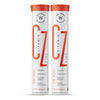 Organic Vitamin C + Zinc
₹758 – ₹2,035
Organic Vitamin C + Zinc
₹758 – ₹2,035