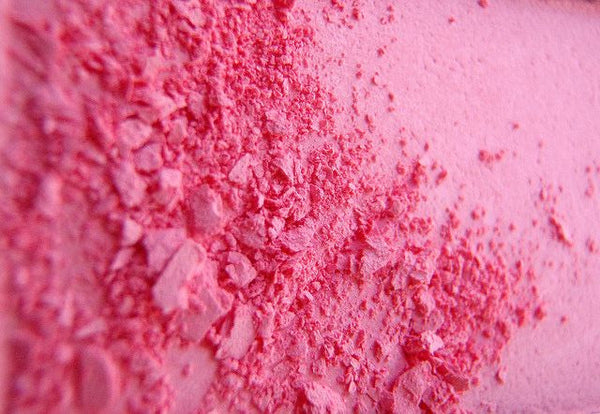
At night, your skin becomes surprisingly busy.
While you drift into sleep, your skin shifts into what dermatologists often call its “repair window.” Cell turnover accelerates, damaged proteins are replaced, and hydration balance begins to restore itself.
This is exactly why building the best skincare routine before bed matters so much. A thoughtful evening skincare routine works alongside your biology, supporting collagen production, barrier repair, and deep hydration while you sleep.
In many ways, the most powerful basic skincare routine does not happen in the morning mirror. It happens quietly at night.
Why Nighttime Is the Most Powerful Moment for Skin Repair

Throughout the day, your skin acts like a shield. Pollution, UV rays, sweat, and makeup create oxidative stress and barrier damage. Nighttime is when the repair mechanisms accelerate.
Research shows that skin cell regeneration peaks during sleep, and collagen synthesis becomes more active. This is why a thoughtful morning and night skincare routine often determines long-term skin health more than occasional treatments.
Repairs UV and environmental damage: During the day, UV rays and pollution generate oxidative stress that damages skin cells and DNA. At night, cellular repair enzymes become more active, helping neutralize free radicals and repair microscopic damage accumulated during the day (NIH).
Rebuilds structural proteins like collagen: Skin cells called fibroblasts become more active during sleep and begin producing proteins such as collagen and elastin. These proteins help maintain skin firmness, elasticity, and structural strength over time (NIH).
Restores hydration levels: At night, the skin increases blood flow and improves nutrient delivery, allowing cells to replenish lost moisture. Hydrating ingredients like those used in hyaluronic acid skincare can bind water molecules and help restore plumpness while you sleep (NIH).
Strengthens the skin barrier: The skin barrier repairs itself by producing lipids such as ceramides and fatty acids during nighttime recovery. This process helps seal moisture inside the skin and protects it from external irritants the next day (NIH).
When your evening skincare routine supports these natural processes, your skin can repair faster and maintain its resilience.
Step-by-Step Basic Skincare Routine Before Bed

A simple and consistent system works far better than a complicated 10-step ritual. The ideal skincare routine at home focuses on cleansing, repairing, and deeply hydrating the skin.
Here is the dermatologist-approved structure.
1. Gentle Cleansing
Cleansing is the gateway to every Healthy Skincare Routine. Throughout the day, sebum mixes with pollutants, sunscreen residue, and dead cells. If these remain overnight, they clog pores and interfere with skin repair.
Use a mild cleanser that removes buildup without stripping natural oils. For dry or sensitive skin, cream cleansers help preserve the barrier and support a natural skincare routine.
Think of cleansing as clearing the canvas before restoration begins.
2. Targeted Treatment
Once the skin is clean, treatment products penetrate more effectively. This is the stage where active ingredients work their magic.
Hydrating molecules like Hyaluronic Acid Skincare formulas help bind water inside skin cells, creating the plump texture associated with youthful skin. Antioxidants and peptides also help stimulate collagen synthesis overnight.
Some people also support their nighttime skin repair internally through supplements such as collagen powder, marine collagen, or vegan collagen, which provide amino acids like glycine and proline used in collagen production.
Wellness-focused routines may include glow collagen or beauty collagen formulas designed to support elasticity and hydration from within. Skin health often reflects both topical care and internal nourishment.
3. Deep Moisturization
Moisturizing at night does more than hydrate. It strengthens the skin barrier, reduces overnight water loss, and supports cellular repair. This step becomes especially important for anyone following the best skincare routine for dry skin.
Look for moisturizers containing ceramides, fatty acids, and humectants that lock hydration into the skin. The goal is to create a protective environment so skin cells can regenerate while you sleep.
4. Eye Care
The skin around your eyes is thinner and more prone to dehydration and fine lines. A gentle eye cream can reduce overnight dryness and support collagen repair in this fragile area.
Ingredients like peptides and antioxidants work especially well during the skin’s nighttime recovery phase.
5. Overnight Skin Nutrition
Your evening skincare routine can also include lightweight facial oils or sleep masks for added nourishment. These products create a breathable seal that helps active ingredients work throughout the night.
Some people also incorporate internal skin nutrients like skin fuel supplements or antioxidant support such as a glutathione tablet, which helps combat oxidative stress that contributes to dull skin and uneven tone.
Think of this final step as feeding your skin while it rebuilds.
The Connection Between Sleep and Skin Health
Even the most advanced skincare routine at home cannot compensate for poor sleep.
During deep sleep, the body releases growth hormones that support tissue repair and collagen production. Sleep deprivation, on the other hand, increases cortisol levels, which can weaken the skin barrier and accelerate ageing (NIH).
When you combine quality sleep with a consistent nighttime skincare routine for dry skin, the results often appear as smoother texture, better hydration, and a naturally brighter complexion.
Your skin quite literally heals while you sleep.
How Your Morning Skincare Routine Complements Night Repair
A nighttime ritual works best when paired with a supportive morning skincare routine.
Morning care focuses on protection. While night products rebuild the skin barrier, daytime skincare protects against UV radiation, pollution, and dehydration.
A balanced morning and night skincare routine ensures your skin remains resilient around the clock. Think of it like construction and security working together. One rebuilds the structure while the other protects it.
Common Skincare Mistakes to Avoid at Night
Even well-intentioned routines sometimes backfire. Avoiding these mistakes can dramatically improve results.
1. Sleeping with Makeup
Leaving makeup on overnight traps dirt and oil in pores, increasing the risk of breakouts and irritation.
2. Over-Exfoliating
Exfoliation can be helpful, but excessive use damages the skin barrier and disrupts overnight repair.
3. Using Too Many Active Ingredients
Layering multiple strong treatments may cause redness and sensitivity instead of improvement.
4. Skipping Moisturizer
Even oily skin requires hydration at night. Without moisture, the skin may produce even more oil to compensate.
A thoughtful healthy skincare routine focuses on balance rather than excess.
The Power of Consistency in Skin Health
The truth about skincare is surprisingly simple. It is not about the most expensive serum or the longest routine.
It is about consistency.
Following a structured basic skincare routine every night gives your skin the time and stability it needs to repair itself naturally. Over weeks and months, that consistency translates into stronger skin barriers, smoother texture, and long-lasting hydration.
Healthy skin is rarely built in a single night. But it is built every night.
The Final Takeaway
If you want to build the best skincare routine, remember these three pillars:
- Cleanse gently.
- Repair strategically.
- Hydrate deeply.
When paired with a balanced morning skincare routine, quality sleep, and supportive nutrients like collagen powder, marine collagen, or antioxidant support such as a glutathione tablet, your skin receives both internal and external nourishment.
The result is not just better skincare. It is better skin biology.
And when your skin wakes up each morning calm, hydrated, and radiant, you know your evening skincare routine has quietly done its job while you slept.
FAQs
1. What is the best bedtime skincare routine for healthy skin?
The best skincare routine before bed usually includes gentle cleansing, targeted treatment, deep moisturization, and eye care. This evening skincare routine helps the skin repair environmental damage, rebuild collagen, and restore hydration while you sleep.
2. Why is a nighttime skincare routine important for skin health?
A nighttime skincare routine for dry skin or any skin type supports the skin’s natural repair cycle that peaks during sleep. During this time, cell turnover increases, collagen production rises, and the skin barrier begins restoring itself.
3. What is the correct order for a basic skincare routine at night?
A simple basic skincare routine typically follows this order: cleanser, treatment serum, moisturizer, and eye cream. This structure allows active ingredients to penetrate effectively and supports a balanced healthy skincare routine.
4. How is a morning skincare routine different from a nighttime routine?
A morning skincare routine focuses on protection against UV rays, pollution, and dehydration, often including sunscreen and antioxidants. A morning and night skincare routine works best when morning protects the skin and nighttime focuses on repair and hydration.
5. What is the best skincare routine for dry skin before bed?
The best skincare routine for dry skin at night includes a gentle cleanser, hydrating serums like hyaluronic acid skincare, and a rich moisturizer containing ceramides or fatty acids.
This helps reduce overnight moisture loss and strengthens the skin barrier.
6. Can supplements improve the results of a skincare routine?
Yes, skin health can benefit from internal nutrition along with topical care. Nutrients like collagen powder, marine collagen, vegan collagen, or antioxidant support such as a glutathione tablet may help support skin elasticity, hydration, and overall skin repair.
7. What skincare mistakes should you avoid before bedtime?
Common skincare mistakes to avoid include sleeping with makeup, over-exfoliating, using too many active ingredients at once, and skipping moisturizer. These habits can disrupt the skin barrier and reduce the effectiveness of your skincare routine at home.

Recommended Products
 Beauty Collagen Strawberry Watermelon Flavour
₹1,939 – ₹7,196
Beauty Collagen Strawberry Watermelon Flavour
₹1,939 – ₹7,196
 Beauty Korean Marine Collagen Peptides Mango Peach Flavour
₹1,939 – ₹7,196
Beauty Korean Marine Collagen Peptides Mango Peach Flavour
₹1,939 – ₹7,196
 Glutathione Skin Fuel Pro+ Strawberry Flavour
₹1,044 – ₹5,803
Glutathione Skin Fuel Pro+ Strawberry Flavour
₹1,044 – ₹5,803
 Glutathione Skin Fuel Pro+ Valencia Orange Flavour
₹879 – ₹5,275
Glutathione Skin Fuel Pro+ Valencia Orange Flavour
₹879 – ₹5,275
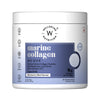 Korean Marine Collagen - Blueberry Mint
₹1,018 – ₹1,993
Korean Marine Collagen - Blueberry Mint
₹1,018 – ₹1,993
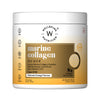 Marine Collagen - Valencia Orange
₹1,018 – ₹1,993
Marine Collagen - Valencia Orange
₹1,018 – ₹1,993
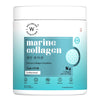 Pure Korean Marine Collagen Peptides | Unflavored | Combat Signs of Ageing
₹1,745 – ₹6,476
Pure Korean Marine Collagen Peptides | Unflavored | Combat Signs of Ageing
₹1,745 – ₹6,476