Okay, real talk. Matcha is everywhere right now. Bandra cafes, Bengaluru brunch menus, your Instagram explore page at 11 PM when you should be asleep. And honestly? The hype is deserved. But here is the part nobody is telling you:
You are probably drinking it at the wrong time. And that one mistake is costing you most of the benefit.
There is a 90-minute rule. It is backed by proper science, not wellness influencer science. And once you know it, your entire morning routine shifts.
Let's get into it.
Wait, Is Matcha Actually Different From Regular Green Tea?
Yes. Genuinely, yes. And this matters for the timing conversation.
Regular green tea is steeped, which means you extract some of what the leaf contains and throw the rest away. Matcha is the whole leaf, stone-ground into a powder. You consume everything. That means significantly higher concentrations of two compounds that are about to become your new best friends.
L-theanine. This is why matcha feels nothing like coffee. L-theanine slows caffeine absorption and produces what researchers call "alert calm," focused, sustained energy with zero jitteriness or crash. It also increases alpha brain wave activity, the same state your brain enters during meditation. In a cup.
EGCG (epigallocatechin gallate). A catechin antioxidant studied extensively for fat oxidation, metabolism support, inflammation reduction, and neuroprotection. It is the compound that makes the best time to drink matcha green tea for weight loss conversation actually worth having.
Here is the thing though. Both of these compounds are time-sensitive. They work significantly better at certain points in your day. Which is exactly why the 90-minute rule exists.

The 90-Minute Rule: The Science Behind the Best Time to Drink Matcha
Let's set the scene. It is 6:30 AM. You wake up, drag yourself to the kitchen, and reach for your matcha. Feels productive, right?
Here is what is actually happening inside your body at that moment.
In the first 60 to 90 minutes after waking, your cortisol is spiking hard. This is called the cortisol awakening response (CAR), and it is your body's own built-in wake-up mechanism. Cortisol is already doing the alertness job for you. Flooding your system with caffeine on top of that spike creates two very specific problems:
Problem 1: You fast-track caffeine tolerance.
Your brain senses double stimulation (cortisol plus caffeine) and adapts by down-regulating sensitivity to both.
The result? You need more caffeine over time to feel anything. Sound familiar? That is not a caffeine addiction. That is bad timing.
Problem 2: You waste the good stuff.
L-theanine and EGCG are most effective when your cortisol is on its natural decline, around the 90-minute mark post-waking. That is when the calm-focus effect is most noticeable. That is when fat oxidation gets the most runway.
Drink too early and you are essentially pouring your best compounds into a system that is already at capacity.
The fix? Simple. Wait 90 minutes after waking. Then drink your matcha.
Best Time to Drink Matcha for Weight Loss: Get This Right
If fat loss or metabolism is your goal, this section is for you.
The best time to drink matcha tea for weight loss is 30 minutes before exercise, inside that 90-minute post-wake window for morning workouts, or before a midday session if you train later.
Here is the physiology. EGCG has been shown across multiple studies to increase fat oxidation during exercise by up to 17%. A meta-analysis in the International Journal of Obesity confirmed that green tea catechins combined with moderate exercise significantly outperformed exercise alone for fat burning. [NIH] The caffeine in matcha adds mild thermogenesis, raising your metabolic rate and the number of calories your body torches during movement. L-theanine reduces perceived exertion, meaning you can push harder without feeling like you are pushing harder.
Matcha before a workout is, genuinely, one of the most evidence-backed pre-exercise rituals available. And it costs less than a pre-workout supplement.
Quick cheat sheet for the best time to have matcha tea based on your schedule:
-
Morning workout: 30 minutes before exercise, after the 90-minute wake window
-
Evening workout: 2 to 3 PM matcha hits the sweet spot
-
Rest day: mid-morning, around 10 to 11 AM, after a light breakfast

Matcha on an Empty Stomach? Please Don't.
This one comes up constantly, so let's settle it.
Matcha contains tannins, and tannins on an empty stomach increase gastric acid and can cause nausea, cramps, or that unpleasant hollow burning feeling. If you have acidity, IBS, or what Ayurveda would call a pitta-dominant constitution, you are especially vulnerable to this.
The fix takes 5 minutes. Have something small first. A banana. A few almonds. A bite of toast. Even a small bowl of fruit. Your matcha will absorb better, your gut will stay calm, and you will not spend your morning regretting the green cup.
The Matcha Collagen Upgrade (This Is Where It Gets Really Good)
Okay, if you have been drinking plain matcha, what comes next might genuinely change your routine.
Matcha collagen is the combination of ceremonial-grade matcha with hydrolysed collagen peptides, marine collagen or bovine. And the reason this pairing is more than a trend is because the two compounds work together in a very specific and very useful way.
EGCG in matcha neutralises the free radicals that break down your existing collagen, particularly the UV-driven oxidative stress that is a daily reality for Indian skin. It also has internal photoprotective properties, meaning it supports skin defence from the inside, not just topically. Collagen peptides, meanwhile, directly signal your fibroblasts (the cells that manufacture collagen) to produce more.
So EGCG is protecting what you have. Collagen peptides are building what you need. Research has shown that antioxidant-collagen combinations delivered meaningfully better outcomes for skin elasticity and hydration than collagen alone.
For India specifically, where daily UV exposure is high and collagen degradation starts earlier than in lower-sun climates, this combination is not a luxury add-on. It is genuinely functional skincare from the inside.
Here is how to make it: Whisk 1 teaspoon of ceremonial-grade matcha with warm water at 70 to 80 degrees Celsius (not boiling, ever, boiling water degrades EGCG). Add one serving of hydrolysed collagen peptides (5 to 10g). Finish with oat milk, coconut milk, or full-fat dairy.
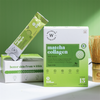
Pro Tip: You can also pick clean, premium quality Match Collagen supplements.
Best time to take supplements: 90-minute post-wake window, before movement.
Skin. Focus. Metabolism. Gut. One cup.
When You Should Absolutely NOT Drink Matcha
Because the best time to drink matcha conversation works both ways.
In the first 90 minutes after waking. You already know why.
After 3 PM. Matcha carries 30 to 70mg of caffeine per cup. Caffeine has a half-life of 5 to 6 hours. A 4 PM matcha means active caffeine in your system at 9 or 10 PM. Sleep disruption undoes every single benefit matcha delivers. Do not do this to yourself.
With iron-rich meals. Tannins and catechins bind to non-haeme iron, the kind in dal, palak, rajma, and most Indian plant foods, and reduce its absorption significantly. Iron deficiency is extremely common among Indian women. Keep at least a 1-hour gap between your matcha and iron-rich meals.
With morning medications. Catechins interact with several common medications. Default to a 2-hour buffer between matcha and any prescription drugs.
What Your Optimised Indian Matcha Morning Actually Looks Like
No overhaul required. Here is how it maps onto a real Indian schedule:
-
6:30 AM: Wake up. Drink water. Let your cortisol peak do its thing without interference.
-
7:00 to 8:00 AM: Walk, stretch, morning prayers, journaling, whatever your routine is. No caffeine yet.
-
8:00 AM: Light breakfast: fruit, poha, idli, eggs, whatever works.
-
8:15 AM: Your matcha collagen latte, right in the 90-minute post-wake window, with food already in the stomach.
-
8:45 AM: Workout, yoga, or your first deep work block of the day.
One cup. One window. The compounds do the rest.
The Bottom Line
Get the timing right, and matcha stops being a trend and starts acting like a tool your body actually responds to. One small shift, and every cup begins to work with your biology, not against it.
Key Takeaways
- Wait 90 minutes before your first matcha. Drinking it during your cortisol peak builds caffeine tolerance faster and blunts the benefits of L-theanine and EGCG.
- Drink it before you move, not after. Matcha 30 minutes before exercise increases fat oxidation by up to 17%. Timing it around movement is what makes it a weight loss tool, not just a wellness drink.
- Always drink matcha with food, never on an empty stomach. Tannins without a food buffer mean acidity, nausea, and reduced absorption, especially for Indians with sensitive digestion.
- Upgrade to matcha collagen for skin benefits. EGCG protects collagen from UV breakdown while peptides build new collagen. One ritual, two outcomes, deeply relevant for Indian skin facing daily sun exposure.
- Cut off at 2 PM, non-negotiable. Poor sleep cancels every benefit matcha delivers. Caffeine's half-life means anything after 2 PM is still active when you are trying to wind down.
FAQs
Q1. What is the best time to drink matcha?
90 minutes after waking, once your cortisol peak has passed and your body is ready to absorb L-theanine and EGCG at full effectiveness.
Q2. What is the best time to drink matcha green tea for weight loss?
The best time to drink matcha or the best time to take supplements for weight loss is 30 minutes before exercise. EGCG increases fat oxidation during movement by up to 17%, making pre-workout the highest-return window.
Q3. Is it okay to drink matcha on an empty stomach?
Not ideal. Matcha's tannins increase gastric acid and can cause nausea. Have a small snack first, especially if you have acidity or a sensitive gut.
Q4. Can you drink matcha at night?
No. With a 5 to 6 hour caffeine half-life, an evening cup means active caffeine at bedtime. Keep your last matcha before 2 PM.
Q5. What is the best time to have matcha tea for energy and focus?
Mid-morning, around 10 to 11 AM. This is when L-theanine's calm-focus effect is strongest and cortisol interference is lowest.
Q6. What is matcha collagen and is it worth it?
Yes. EGCG protects existing collagen from UV breakdown while collagen peptides trigger new production. The combination outperforms collagen alone, especially for Indian skin.
Q7. Does matcha help with weight loss and how much should you drink?
2 to 3 cups daily, providing 200 to 400mg of EGCG, is the clinically studied range for meaningful metabolic benefit. Timing and consistency matter as much as quantity.
Q8. Should matcha be avoided with iron-rich Indian foods?
Yes. Tannins bind to non-haeme iron from dal, palak, and rajma and reduce absorption. Keep at least a 1-hour gap, especially if you are iron-deficient.
Q9. What temperature should matcha be prepared at?
70 to 80 degrees Celsius. Above 80 degrees degrades EGCG. Let boiling water cool for 3 to 5 minutes before whisking.
Q10. Is matcha better than coffee for Indians?
For those with acidity, anxiety, or caffeine crashes from coffee, yes. Matcha delivers steadier energy, better focus, and metabolic benefits coffee simply does not offer.