Cholesterol is not inherently harmful. Your body depends on it to build healthy cells, produce essential hormones, and aid digestion. The problem begins when levels of LDL, or “bad” cholesterol, rise too high, quietly increasing the risk of heart disease over time.
Which brings us to fish oil. Known for its rich omega-3 fatty acids, it’s often praised for supporting cardiovascular health. But what role does it really play in managing cholesterol? And can it genuinely help you protect your heart in a natural way? Let’s explore.
First Things First: Understanding Cholesterol
Cholesterol is more than just a number on your blood test. It plays a vital role in daily bodily functions. What matters is balance.
Here’s what you need to know: (NIH)
-
LDL (bad cholesterol): Can build up in artery walls, increasing heart disease risk.
-
HDL (good cholesterol): Sweeps away excess cholesterol from your bloodstream.
-
Triglycerides: A type of fat in your blood; when elevated, they can also harm heart health.
A healthy ratio between these three markers is essential for cardiovascular wellbeing.
Why Omega 3s Matter So Much
Fish oil is a natural source of two essential omega-3 fatty acids:
-
EPA (Eicosapentaenoic Acid)
-
DHA (Docosahexaenoic Acid)
Since your body cannot produce these on its own, they must come from diet or supplements. While omega-3s are known for supporting brain function and reducing inflammation, their heart-protective benefits are among the most extensively studied.
Research shows omega 3s can: (NIH)
-
Lower triglyceride levels
-
Boost HDL (“good”) cholesterol
-
Support healthy blood pressure
-
Reduce inflammation in blood vessels
And no, that’s not just wellness marketing it’s backed by robust clinical evidence.
Fish Oil and LDL: Can It Help Lower Bad Cholesterol?
Fish oil does not always dramatically reduce LDL levels for everyone. Instead, it can change LDL quality, making particles less sticky and less likely to accumulate in artery walls.
Omega-3s also help prevent LDL oxidation, which is a key trigger for plaque buildup. By lowering triglycerides, fish oil improves your overall lipid profile and helps shift the balance toward heart protection. (NIH)
In a randomized controlled trial of people with metabolic syndrome, taking 1 g/day of fish oil (180 mg EPA + 120 mg DHA) for 6 months led to: (NIH)
-
12.5% reduction in total cholesterol
-
17.61% drop in triglycerides
-
4.24% rise in HDL (“good” cholesterol)
-
20.96% drop in LDL (“bad” cholesterol)
Another study in patients with stable coronary artery disease found that 1 g/day of omega 3 reduced oxidized LDL by 10.9% in just 30 days. (NIH)
Further research highlights how EPA a major omega 3 can significantly lower oxidized LDL thanks to its antioxidant and lipid stabilizing effects.(NIH) And a 2021 study even linked higher DHA levels to lower LDL C, suggesting a possible cholesterol lowering role. (NIH)
Food vs. Supplements: Which Is Better?
You can get omega 3s from fatty fish like salmon, sardines, mackerel, and anchovies. (NIH) But if fish isn’t on your plate at least twice a week, a good quality fish oil supplement can help you hit optimal levels without the guesswork.
When choosing a supplement, look for:
🐟 Triglyceride form: More bioavailable than ethyl ester
🧪 Third party testing: Ensures purity and heavy metal safety
💊 High EPA + DHA content: 1000 mg+ combined dose for therapeutic benefits (NIH)
😋 No fishy aftertaste: Quality formulas won’t give you “fish burps”
🛡️ Freshness factor: Antioxidants like vitamin E help prevent oxidation
At Wellbeing Nutrition, we’ve taken the guesswork out of it by offering three targeted strengths 3x Strength (1500 mg fish oil, 1162 mg omega 3s) for everyday wellbeing, 4x Strength (1850 mg fish oil, 1386 mg omega 3s) for active lifestyles, and our most potent 6x Strength (2400 mg fish oil, 2032 mg omega 3s) for advanced cardiovascular support.
Whichever you choose, you’re getting sustainably sourced, premium quality fish oil that checks every purity and potency marker.
The Bigger Picture: Lifestyle Still Rules
Supplements work best when they support, not replace, a healthy lifestyle. Pair fish oil with these habits for a heart smart approach:
🍎 Load up on fiber from fruits, veggies, and whole grains
🏃♀️ Move daily walking, cycling, swimming all count
🥑 Include healthy fats like avocado, olive oil, and nuts
😴 Prioritize good quality sleep and stress management
When you combine smart habits with omega 3 support, you give your heart the best of both nourishment and protection.
The Takeaway
Your heart works tirelessly, pumping life through your body every moment. Omega-3 fatty acids from fish oil are among the most extensively researched nutrients for supporting cardiovascular health.
A premium, sustainably sourced fish oil supplement can:
-
Improve your overall cholesterol profile
-
Support healthy blood flow
-
Protect against lipid oxidation
-
Contribute to long-term heart resilience
You might not notice the benefits instantly, but over time, fish oil can help maintain flexible arteries, balanced lipid levels, and steady cardiovascular function. It is a quiet yet powerful investment in your future wellbeing, working in the background to support a heart that stays strong year after year.
FAQs
Will fish oil lower my cholesterol?
Fish oil may not drastically lower total cholesterol but can improve cholesterol quality by reducing triglycerides, boosting HDL, and preventing LDL oxidation, supporting overall heart health.
Does fish oil lower cholesterol and blood pressure?
Yes, omega-3s in fish oil help lower triglycerides, improve cholesterol balance, and modestly support healthy blood pressure when combined with a heart-friendly lifestyle.
Which is better for cholesterol fish oil or garlic?
Fish oil is better studied for lowering triglycerides and improving lipid profiles, while garlic may modestly reduce total cholesterol. Both can complement each other in a healthy diet.
Does fish oil raise cholesterol?
Fish oil typically does not raise cholesterol. In some cases, LDL levels may slightly change, but the particles become less harmful and overall heart protection improves.

Recommended Products
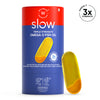 3x Strength Omega 3 Fish Oil
₹1,199
3x Strength Omega 3 Fish Oil
₹1,199
 4x Strength Omega 3 Fish Oil
₹1,274
4x Strength Omega 3 Fish Oil
₹1,274
 6x Strength Omega 3 Fish Oil
₹1,939 – ₹3,798
6x Strength Omega 3 Fish Oil
₹1,939 – ₹3,798