When your skin suddenly looks dull, congested or just plain tired, it is tempting to think you need a detox.
Maybe it is time for a morning detox for glowing skin. Maybe a three-day juice cleanse will clear things up. Or perhaps your skin needs one of those elaborate “detox” routines you keep seeing online.
Here is the truth: your skin does not need to be flushed of toxins.
Your liver and kidneys already handle waste removal. What your skin does need is the right environment to function well: enough nutrients, hydration, sleep, movement, sun protection and a healthy skin barrier.
So think of skin detox less as a cleanse and more as a reset.
And thankfully, it does not require surviving on green juice.
What does a natural skin detox actually mean?
A realistic approach to how to detox your skin naturally is less about adding a magical ingredient and more about taking away the things that may be working against your skin.
Think:
Less: ultra-processed foods, excessive alcohol, smoking, unnecessary skincare layers, harsh scrubs and picking at your skin.
More: colourful plants, protein, fibre, healthy fats, sleep, movement, hydration and gentle skincare.
There is some evidence that diet can influence certain skin concerns. For example, small clinical studies suggest that lower-glycemic dietary patterns may help reduce acne in some people, although the evidence is not conclusive. (American Academy of Dermatology)
The goal is not to “flush” your skin.
It is to support it consistently.
1. Start your morning with food, not a detox drink
If you are looking for a morning detox for glowing skin, you do not need lemon water, cayenne or a special cleansing drink.
Start with breakfast.
A skin-friendly breakfast could look like:
-
Oats + berries + chia seeds
-
Eggs + whole-grain toast + spinach
-
Plain yogurt + berries + nuts
-
Vegetable poha + curd
-
Besan chilla + vegetables
Why focus on food?
Because skin needs more than antioxidants. It needs protein, essential fats, vitamins, minerals and enough overall nutrition to maintain and repair itself.
Berries are a particularly easy addition. They provide vitamin C and polyphenols, while seeds and nuts contribute healthy fats and vitamin E.
The bigger idea is simple: feed your skin, don't just cleanse it.
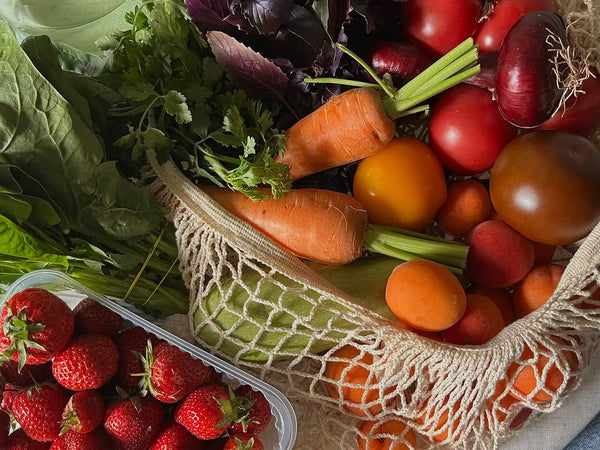
2. Make your plate colourful
Forget the idea that one “superfood” can transform your skin.

Different plants contain different combinations of vitamins, minerals, fibre and phytochemicals.
A useful target is to think about variety across the week, rather than trying to eat every possible superfood in one day.
And yes, matcha can make the list
Matcha is essentially finely ground green tea, so you consume the tea leaf rather than just drinking an infusion.
It contains catechins, particularly EGCG, along with caffeine and other plant compounds.
Human research has explored green tea and its catechins for various aspects of skin health, including UV-related skin responses, but this does not mean drinking matcha is a substitute for sunscreen. [NIH]
Try it: Whisk matcha into unsweetened milk or add it to a smoothie. Keep added sugar modest.
Think of matcha as a nutritious addition, not a detox potion.
3. Do not forget protein
This is where many “detox diets” fall short.
Your skin is living tissue. It needs amino acids to maintain its structure and repair itself.
Include practical protein sources such as:
-
Eggs
-
Fish
-
Chicken
-
Curd or Greek yogurt
-
Dal
-
Chickpeas
-
Beans
-
Tofu
-
Paneer
-
Nuts and seeds
A bowl of fruit may look beautifully “clean,” but it is not a complete meal.
Build the plate, don't just shrink it.
4. Feed your gut too
The gut-skin connection is an interesting area of ongoing research.
Your gut microbiome interacts with immune and metabolic pathways, and researchers are investigating how these interactions may influence inflammatory skin conditions.
This is where fibre becomes important.
Try adding more:
-
Oats
-
Lentils
-
Chickpeas
-
Beans
-
Onions
-
Garlic
-
Asparagus
-
Fruits and vegetables
You can also include fermented foods such as plain yogurt or curd.
Probiotic supplements are being studied for skin health, particularly acne, but the evidence is still developing and results depend on the specific strains and formulations. [NIH]
So start with your plate before reaching for a capsule.
5. Keep healthy fats on the menu
A “clean eating” phase should never mean eliminating fats.
Healthy fats help make your diet more complete and provide essential fatty acids that are important for normal cell function.
Think:
Walnuts • chia seeds • flaxseeds • almonds • avocado • olive oil • fatty fish
Try adding seeds to your morning oats, walnuts to a snack or olive oil to your vegetable salad.
A little goes a long way.
6. Hydration matters, but you don't need detox water
Your skin contains a lot of water, and adequate hydration is important for normal body function.
But there is no special detox water that magically hydrates your skin better than ordinary water.
Drink according to your thirst, activity, climate and individual needs.
And remember that food contributes to your total fluid intake too. Fruits, vegetables, soups and curd all contain water.
Plain water works.
You do not need cucumber slices floating in it to make it effective.

7. What about collagen?
The inside-out beauty trend has made collagen supplements incredibly popular.
There is some interesting research here, with clinical trials and meta-analyses suggesting that hydrolyzed collagen may improve measures such as skin hydration and elasticity. However, newer research has raised questions about study quality and industry funding, so the evidence is not as definitive as social media often makes it sound. [NIH]
For this reason, think of collagen as optional, not essential.
The foundation is still adequate protein, a varied diet and good skincare.
8. Keep supplements in their place
You may also come across glutathione supplements, NAC supplements and other products marketed around skin detoxification.
Glutathione is a naturally occurring antioxidant, while NAC provides cysteine, which the body uses to make glutathione.
Both have interesting biology, but neither should be treated as a guaranteed skin detox solution.
If your diet has gaps or you have a specific nutritional need, supplements can have a role. Otherwise, food first is a pretty good rule.
9. Your skincare routine does not need to be complicated
Here is something worth remembering:
Natural does not automatically mean gentle.
Lemon juice, baking soda and undiluted essential oils may be natural, but that does not make them good skincare ingredients.
Was recommended is gentle cleansing, avoiding aggressive scrubbing and using moisturizer and sun protection as part of basic skin care.
A simple routine is enough for most people:
Morning
Gentle cleanser → moisturizer → broad-spectrum SPF 30+
Night
Gentle cleanser → targeted treatment if needed → moisturizer
You do not need 12 steps.
And if your skin is irritated, adding five more products rarely makes things better.

10. Sleep and stress are skincare too
You cannot moisturize your way out of chronic sleep deprivation.
Research has linked poor sleep with impaired skin-barrier function and slower recovery after environmental stressors. [NIH]
Stress can also aggravate certain skin conditions and contribute to inflammatory pathways.
So your “night skincare routine” should really have one more step:
Go to bed.
Aim for a consistent sleep schedule and build simple stress-management habits around movement, time outdoors, breathing exercises or whatever genuinely helps you unwind.
Does a 3-day detox for clear skin work?
A three-day reset can be useful if it means eating better, sleeping more, drinking enough water and simplifying your skincare.
But it will not magically clear acne, erase pigmentation or completely transform your skin in 72 hours.
Instead, try a three-day skin reset:
Day 1: Reduce ultra-processed foods and alcohol. Add vegetables, fruit, protein and fibre.
Day 2: Prioritize sleep, hydration and movement. Keep your skincare gentle.
Day 3: Add more colourful plants, healthy fats and fermented or fibre-rich foods. Stay consistent with SPF.
Then keep going.
Because the best way to detox skin is not an extreme cleanse.
It is a lifestyle your skin can actually live with.
The real skin detox is surprisingly boring
No miracle juice.
No starvation diet.
No aggressive scrubbing.
No 15-step routine.
Just good food, enough protein, plenty of plants, healthy fats, fibre, hydration, movement, sleep, stress management and sensible skincare.
Your body already knows how to deal with waste.
Your job is to give it what it needs to function well.
That is the real inside-out approach to healthier-looking skin.
Key takeaways
-
Your body does not need a literal skin detox. Your liver and kidneys already handle waste removal. Focus instead on supporting healthy skin function.
-
Eat for skin health, not just “clean eating.” Prioritize protein, colourful plants, fibre and healthy fats across the week.
-
Matcha, berries, leafy greens, nuts, seeds and fermented foods can all fit into a skin-friendly diet, but no single food can transform your skin overnight.
-
Skincare should support your skin barrier, not attack it. Gentle cleansing, moisturizer and daily SPF are more useful than aggressive DIY treatments.
-
Consistency beats a three-day cleanse. Better sleep, nutrition, movement, stress management and skincare habits will do more for your skin over time than a short-term detox trend.
FAQs
1. How do I detox my skin naturally?
Focus on supporting your overall health rather than trying to flush toxins from your skin. Eat a varied diet rich in plants, protein, fibre and healthy fats, stay hydrated, sleep well, manage stress and use gentle skincare with daily sun protection.
2. What is the best detox for clear skin?
There is no scientifically proven detox diet that clears skin. A balanced diet, healthy lifestyle and consistent skincare routine are a better long-term approach.
3. Does a 3 day detox for clear skin work?
A three-day reset can help you establish healthier habits, but it cannot realistically clear acne or pigmentation in 72 hours. Skin improvements usually require consistency over time.
4. What is a good morning detox for glowing skin?
You do not need a special detox drink. Start with a balanced breakfast containing protein, fibre and colourful fruit, such as oats with berries and seeds or eggs with whole-grain toast and spinach.
5. Can matcha help skin health?
Matcha contains catechins such as EGCG, which have antioxidant and other biological activity. Green tea compounds have been studied for potential skin benefits, but matcha should complement, not replace, proven habits such as sun protection. [NIH]
6. Is there a skin detox home remedy that works?
There is no home remedy proven to literally detox skin. Simple soothing masks may temporarily improve how skin feels, but avoid harsh ingredients such as lemon juice or baking soda that can irritate the skin.
7. Can diet help with skin problems?
Diet may influence certain skin conditions. For acne, some studies suggest lower-glycemic eating patterns may help some people, although evidence is still evolving. Diet should complement, not replace, appropriate dermatological care.
8. Can collagen supplements improve skin?
Some research suggests hydrolyzed collagen may improve skin hydration and elasticity, but the evidence is mixed and not definitive. A collagen supplement should be considered optional rather than essential. [NIH]
9. Do glutathione and NAC supplements detox your skin?
Glutathione and NAC have important biological roles, but there is not enough evidence to describe them as guaranteed skin detox solutions. They should not replace a balanced diet or appropriate skincare.
10. What is the best way to detox skin naturally long term?
Think beyond detoxes. Eat a varied whole-food diet, get adequate protein and fibre, stay hydrated, exercise regularly, sleep consistently, manage stress, use gentle skincare and wear broad-spectrum SPF 30 or higher every day.

Recommended Products
 Beauty Collagen Strawberry Watermelon Flavour
₹1,939 – ₹7,196
Beauty Collagen Strawberry Watermelon Flavour
₹1,939 – ₹7,196
 Beauty Korean Marine Collagen Peptides Mango Peach Flavour
₹1,939 – ₹7,196
Beauty Korean Marine Collagen Peptides Mango Peach Flavour
₹1,939 – ₹7,196
 Glow Korean Marine Collagen Peptides with Liposomal Glutathione & Vitamin C | Tropical Bliss Flavour | 250g
₹1,939 – ₹7,196
Glow Korean Marine Collagen Peptides with Liposomal Glutathione & Vitamin C | Tropical Bliss Flavour | 250g
₹1,939 – ₹7,196
 Glow Korean Marine Collagen Peptides with Liposomal Glutathione & Vitamin C | Valencia Orange Flavour | 250g
₹1,939 – ₹7,196
Glow Korean Marine Collagen Peptides with Liposomal Glutathione & Vitamin C | Valencia Orange Flavour | 250g
₹1,939 – ₹7,196
 Pure Korean Marine Collagen Peptides | Unflavored | Combat Signs of Ageing
₹1,745 – ₹6,476
Pure Korean Marine Collagen Peptides | Unflavored | Combat Signs of Ageing
₹1,745 – ₹6,476
 Slow Advanced N-Acetyl-Cysteine + Glycine Capsules
₹1,357 – ₹2,658
Slow Advanced N-Acetyl-Cysteine + Glycine Capsules
₹1,357 – ₹2,658
 Daily Probiotic Slow
₹1,357 – ₹2,658
Daily Probiotic Slow
₹1,357 – ₹2,658