From vitamin C serums and retinol to collagen powders, hyaluronic acid and glutathione tablets, people are constantly experimenting with new ways to improve their skin. And increasingly, the focus is shifting from what we apply on our face to what we consume every day.
But there is one question that often gets overlooked: Are you taking your supplements at the right time?
You could have carefully selected your beauty supplements, invested in a good formulation and even paired different ingredients, yet still wonder why you aren't seeing the expected results.
Of course, the formulation, dosage and suitability of a supplement matter. But timing deserves attention too. Certain nutrients are better taken with meals, while others may come with recommendations to take them between meals. Some nutrients can also influence how others are absorbed or utilised.
This is why supplement labels often specify the best time to take a product.
So, if glutathione is part of your beauty routine, should you take it in the morning or at night? Before deciding, let's understand what it actually does.
What is glutathione and how does it benefit your skin?
Glutathione is a naturally occurring antioxidant produced by your body. Made up of three amino acids, glutamate, cysteine and glycine, it is found in almost every cell and plays an important role in protecting cells against oxidative stress.
Your skin is constantly exposed to environmental stressors such as UV radiation and pollution. These can increase free radical activity, contributing to oxidative damage, pigmentation and premature skin ageing.
Glutathione helps neutralise free radicals, supports cellular antioxidant defences and helps maintain the balance between oxidised and reduced antioxidants.
Here are three ways it may support skin health.
1. Helps protect against oxidative stress
Glutathione helps neutralise reactive oxygen species and supports the body's antioxidant defence system. [NIH] This is important for protecting skin cells against oxidative damage associated with everyday environmental exposure.
2. Supports a more even-looking skin tone
Glutathione may influence melanin production by affecting tyrosinase, an enzyme involved in pigmentation. It may also influence the melanin synthesis pathway, favouring lighter pheomelanin over darker eumelanin.
Human research has demonstrated potential improvements in skin pigmentation and the appearance of dark spots, although results vary. [NIH] | [NIH]
3. May support skin elasticity and reduce visible signs of ageing
Oxidative stress is one of the contributors to premature skin ageing. By supporting antioxidant protection, glutathione may help maintain skin health. Human research has also reported improvements in certain measures of wrinkles and skin elasticity. [NIH]
Is glutathione better in the morning or at night?
If you're taking glutathione tablets for skin health, morning may be a better time to include them in your routine. Taking glutathione in the morning, preferably as directed by your supplement label, is a practical approach to support consistent intake.
1. Taking glutathione in the morning
Morning is a good time to build glutathione into your daily supplement routine. You can take it before breakfast or alongside your morning meal, depending on the formulation. If your supplement recommends an empty stomach, take it before eating. If it is formulated for consumption with food, include it with breakfast.
For better bioavailability, you can also consider liposomal glutathione. Its lipid-based delivery system is designed to help protect glutathione and improve its absorption compared with conventional oral formulations.
2. What about taking glutathione at night?
Taking glutathione at night is also an option. However, there is no conclusive human evidence that nighttime supplementation offers better absorption or skin benefits than morning intake. If you prefer taking it at night, follow the product's recommended directions.
Our recommendation: Consider morning supplementation as a convenient starting point, and choose a well-formulated option such as liposomal glutathione if improved bioavailability is a priority. Consistency, formulation and appropriate dosage remain important factors.

What can you pair glutathione with?
If you're already taking collagen powder, vitamin C or other beauty supplements, you may wonder whether they can be included in the same routine.
Here are some ingredients that complement different aspects of skin health.
|
Supplement |
How it complements glutathione |
|
Vitamin C |
Supports antioxidant functions and contributes to normal collagen formation. |
|
Marine collagen powder |
Supplies collagen peptides that may support skin hydration, elasticity and firmness. |
|
Hyaluronic acid |
Helps attract and retain water, supporting skin hydration. |
|
Probiotics |
Support gut microbial balance and digestive health. Better glutathione absorption has not been established. |
|
Vegan collagen-support supplements |
Ingredients such as vitamin C, zinc and amino acids support normal collagen formation and skin functions. |
Can you take glutathione and collagen together?
Yes, they can generally be included in the same beauty supplement routine, provided both are suitable for you.
Glutathione supports antioxidant protection, while collagen peptides provide amino acids that help maintain the skin's structural framework. Vitamin C is another useful addition because it contributes to normal collagen formation.
These ingredients complement different aspects of skin health rather than necessarily improving one another's absorption.
The final word: Morning or night?
If you're looking for a simple answer, morning is a convenient place to start. You can easily incorporate glutathione into your daily routine alongside collagen powder or other beauty supplements.
However, there is no clinically established morning advantage over nighttime supplementation. Choose a suitable formulation, follow its recommended dosage and stay consistent. And if pigmentation is your concern, remember that glutathione is not a substitute for daily sunscreen.
FAQs
1. What is the best time to take glutathione for skin benefits?
Morning is a convenient option, but research has not established that it delivers better skin results than nighttime supplementation. Follow your product's recommended timing.
2. Can I take glutathione on an empty stomach?
Yes, if your supplement recommends it. Some formulations suggest taking glutathione between meals, while others may be taken with food.
3. Is glutathione better in the morning or at night?
Both are reasonable options. There is no conclusive human research showing that either timing offers superior skin benefits.
4. Can I take glutathione and collagen powder together?
Yes. Glutathione supports antioxidant protection, while collagen peptides provide amino acids that support skin structure. They complement different aspects of skin health.
5. How long does glutathione take to show results on skin?
Results vary depending on the individual, formulation and dosage. Some human studies have evaluated skin changes over 4 to 12 weeks, but visible improvements are not guaranteed.
6. Does glutathione help with pigmentation and dark spots?
It may influence melanin production and support a more even-looking skin tone. Human research has shown potential benefits, although the evidence remains limited.
7. Can I take glutathione with vitamin C?
Yes. Both can be included in the same supplement routine. Vitamin C supports antioxidant functions and normal collagen formation.
8. Can I take glutathione tablets every day?
Daily supplementation has been studied in short-term human trials. However, the appropriate dosage and duration depend on the formulation and individual requirements.
9. Does glutathione improve skin hydration?
Glutathione is primarily known for its antioxidant functions and potential effects on pigmentation. Hyaluronic acid and collagen peptides have more directly studied roles in skin hydration.
10. Can I take glutathione before bed?
Yes, provided your supplement's directions allow it. There is no established evidence that taking glutathione before bed enhances skin repair or improves its effectiveness.
Key Takeaways
-
Glutathione is a naturally occurring antioxidant that helps protect cells against oxidative stress.
-
It may influence melanin production and support a more even-looking skin tone.
-
Morning is a convenient time to take glutathione, but it has not been proven superior to nighttime.
-
Glutathione can complement collagen, vitamin C and hyaluronic acid in a broader skin-support routine.
-
Formulation, dosage and consistency matter more than the time on your clock.

Recommended Products
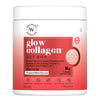 Glow Korean Marine Collagen Peptides with Liposomal Glutathione & Vitamin C | Tropical Bliss Flavour | 250g
₹1,939 – ₹7,196
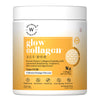 Glow Korean Marine Collagen Peptides with Liposomal Glutathione & Vitamin C | Valencia Orange Flavour | 250g
₹1,939 – ₹7,196
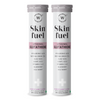 Skin Fuel Liposomal Glutathione 90% - Blueberry & Mint Flavour | 15 Tablets
₹1,798 – ₹3,596
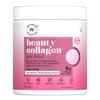 Beauty Collagen Strawberry Watermelon Flavour
₹1,939 – ₹7,196
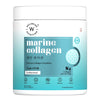 Pure Korean Marine Collagen Peptides | Unflavored | Combat Signs of Ageing
₹1,745 – ₹6,476