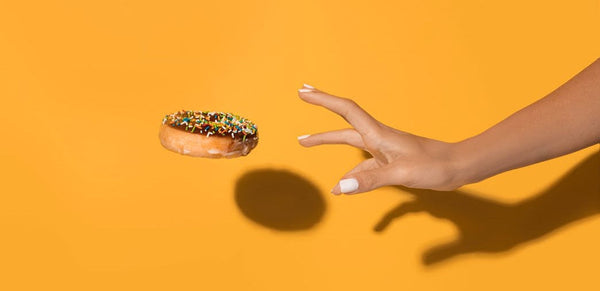
Most people find out they have insulin resistance the way they find out about a lot of things, too late, in a clinical office, after years of symptoms they normalised. The fatigue. The belly fat that wouldn't shift. The cravings hit like clockwork at 3pm. That was your body talking. This is what it was saying.
Reversible diabetes is hard to say, but here's the part doctors often skip: insulin resistance caught early is one of the most reversible health conditions we know of. Not managed. Not slowed down. Actually reversed. The biology genuinely works in your favour, if you know what you're working with.
First, Understand Insulin Resistance
Insulin is a hormone made by your pancreas. Its one job is to unlock your cells so glucose can get inside and become energy. When that system works, you eat, your blood sugar rises, insulin is released, cells absorb the glucose, blood sugar normalises. Done.
What causes insulin resistance is a gradual cellular protest. Flood your bloodstream with glucose too often via ultra-processed carbs, liquid sugar, constant snacking and your cells start ignoring insulin's signal. They become desensitised. Your pancreas responds by pumping out more and more insulin to compensate. That chronic high-insulin state is where the real damage starts: fat storage locks in, inflammation rises, and over time your pancreatic beta cells begin to fatigue (NIH).
This is also why a standard blood test misses it. Ask specifically for a fasting insulin test. The HOMA-IR calculation fasting insulin multiplied by fasting glucose, divided by 405 is a validated clinical marker. A score above 2.0 suggests resistance is already underway. This is your proper insulin resistance test (NIH).
Recognize The Symptoms You've Been Dismissing
The reason insulin resistance symptoms fly under the radar is that they look exactly like ordinary life in 2026. You're tired. You crave sugar. You feel foggy. You struggle to lose weight. These aren't personality flaws or signs of laziness. They're metabolic signals.

Did you know? Even one week of poor sleep can reduce insulin sensitivity by up to 25%. That post-holiday blood sugar spike isn't just the food. It's the disrupted sleep that came with it (NIH).
Where Does Prediabetes Fit in All of This?
Think of it as a spectrum. Insulin resistance is early-stage. Cells are ignoring insulin but the pancreas is still compensating. Blood glucose might look normal. This is the optimal window for intervention.
Prediabetes is the next rung, fasting glucose between 100–125 mg/dL, or an HbA1c of 5.7–6.4%. The pancreas is starting to tire. Can prediabetes be cured? Clinical evidence says yes, the landmark Diabetes Prevention Program showed that structured lifestyle change reduced progression to type 2 by 58%. In many participants, blood markers returned entirely to normal. That's not management. That's resolution (NIH).
Understanding type 1 vs type 2 diabetes also matters here.

Fun fact: Skeletal muscle is responsible for absorbing 70–80% of all glucose after a meal. More muscle mass literally means more places for glucose to go, making resistance training one of the most effective metabolic tools available (NIH).
The Diet for Insulin Resistance
The goal of an insulin resistance diet is not calorie restriction, it's insulin reduction. You want to stop triggering massive insulin spikes repeatedly throughout the day. That means the quality of your carbohydrates matters more than the quantity.
In practice, a strong diet for insulin resistance builds every meal around three anchors: fibre-rich vegetables as the largest portion (they slow glucose absorption dramatically), quality protein at every sitting (eggs, fish, legumes, chicken), and slow-digesting carbs timed around movement rather than sitting. Minimise the obvious culprits: refined flour, added sugar, sweetened drinks, ultra-processed snacks.
Meal timing is its own lever. Research on time-restricted eating consistently shows that compressing your eating into a 10–12 hour window without any calorie counting, lowers fasting insulin, reduces blood sugar levels, and improves metabolic health. Your cells simply need breaks from insulin stimulation. Give them that.
Did you know?
Eating fat or protein before carbohydrates at a meal, the "food order" method, can reduce post-meal glucose spikes by up to 40%. No change in what you eat. Just the sequence (NIH).
Movement is the Fastest Way to Reduce Insulin Resistance
How to control insulin levels through movement is genuinely one of the most empowering facts in metabolic science. When you contract a muscle, glucose is pulled into cells through a separate transport pathway, completely bypassing insulin. Resistance is bypassed, not fixed, but that bypass accumulates into real structural change over time.
A 10–15 minute walk after meals can blunt post-meal glucose spikes by 30–40%. Resistance training builds more muscle tissue, expanding your body's permanent glucose disposal capacity. HIIT has shown rapid improvements in insulin sensitivity in as little as two weeks in clinical trials. The sequence that works: resistance training 3x per week, daily walks, and prioritise standing over sitting (NIH).
The way to think about how to control insulin resistance through exercise is this: every bout of movement is a dose. You're not working out to earn food. You're dosing your cells with insulin sensitivity. Completely different mindset. Much more sustainable.
Natural Compounds That Move the Needle
Two nutrients have enough clinical evidence behind them to be worth knowing about if you're serious about how to reverse insulin resistance naturally.
Berberine activates AMPK, your cells' master metabolic switch and has been shown to lower fasting glucose, reduce HbA1c, and improve insulin sensitivity comparably to metformin in multiple clinical trials. It's the most researched plant compound for blood sugar regulation. Discuss with your doctor if you're on any glucose-lowering medication.
Diabetes Care formulas typically stack chromium, alpha-lipoic acid, magnesium, and cinnamon extract, nutrients with individual evidence for improving glucose metabolism, reducing oxidative stress, and supporting cellular insulin signalling. Most effective as part of a complete lifestyle approach.
Key takeaways
-
Insulin resistance is reversible, especially when caught before it progresses to prediabetes or type 2.
-
A fasting insulin test tells you far more than fasting glucose alone. The HOMA-IR score is your proper insulin resistance test.
-
The insulin resistance diet isn't about eating less, it's about spiking insulin less. Food quality and meal timing both matter.
-
Muscle mass is your long-term metabolic asset. Resistance training 3x per week is how you reduce insulin resistance structurally.
-
Even a 10-minute post-meal walk measurably reduces blood sugar levels, timing your movement matters for how to control insulin levels.
-
Sleep, stress, and movement are direct metabolic inputs. Managing them is central to how to control insulin resistance long-term.
The Bottom Line
Insulin resistance is your body asking for a course correction, not issuing a final verdict. The biology is on your side. Every meal aligned with a proper diet for insulin resistance, every walk, every decent night of sleep is a vote for cellular health.
You don't need to overhaul everything at once, you need to stop making the same metabolic withdrawals and start making deposits. How to reverse insulin resistance isn't a mystery. The compounding effect is real, and it's faster than most people expect.
FAQs
Q1. How long does it actually take to reverse insulin resistance?
Most people see measurable improvements in insulin sensitivity within 4–8 weeks of consistent changes. Fasting insulin levels often normalise within 3 months. Full reversal of prediabetes markers can take 6–12 months depending on severity but most people feel the difference in energy and appetite within the first month.
Q2. What foods should I avoid on a diet for insulin resistance?
Refined carbohydrates (white bread, pastries, white rice in large portions), added sugars and sweetened drinks, ultra-processed snacks, and excessive alcohol. These are the primary drivers of chronic insulin spikes. The goal of an insulin resistance diet is to manage how fast and how frequently glucose enters your bloodstream, not to cut carbs entirely.
Q3. Can I test for insulin resistance at home?
Not directly, but a continuous glucose monitor (CGM) can show you how your blood sugar responds to specific foods. For a proper insulin resistance test, ask your GP for a fasting insulin panel alongside standard fasting glucose. The HOMA-IR calculation gives a validated score.
Q4. What is insulin resistance vs diabetes?
Insulin resistance vs diabetes: resistance is the precursor state where cells stop responding properly to insulin, your glucose may still look normal. Diabetes is the clinical outcome when the pancreas can no longer compensate and blood sugar levels chronically rise. The resistance stage is your intervention window.
Q5. What's the difference between type 1 vs type 2 diabetes?
Type 1 vs type 2 diabetes: Type 1 is autoimmune, the immune system destroys insulin-producing beta cells. It requires lifelong insulin therapy and has no lifestyle cause. Type 2 begins with insulin resistance and is driven by metabolic, dietary, and genetic factors. Everything about how to reverse insulin resistance applies to type 2 and prediabetes, not type 1.
Q6. Does intermittent fasting help reduce insulin resistance?
Yes, with nuance. Time-restricted eating reduces total insulin exposure throughout the day, giving cells extended recovery time. Studies show lower fasting insulin and better metabolic health markers. It works best when paired with a solid diet for insulin resistance.
Q7. What is Berberine and is it safe?
Berberine is a plant alkaloid with over 3,000 published studies and a strong clinical track record for blood sugar regulation. It's generally well-tolerated but genuinely bioactive, it can interact with glucose-lowering medications. Always discuss with your doctor before adding it if you're on any prescription treatment.
Q8. How does sleep affect insulin resistance symptoms?
Significantly. Even partial sleep deprivation reduces insulin sensitivity by up to 25% and elevates cortisol, which directly raises blood sugar levels. Poor sleep also dysregulates hunger hormones. Sleep is a metabolic intervention and managing it is a core part of how to control insulin resistance.
Q9. Can prediabetes fully go away?
Yes. The Diabetes Prevention Program showed structured lifestyle intervention reduces progression from prediabetes to type 2 by 58%, and many participants returned to entirely normal glucose regulation. Can prediabetes be cured? Clinically, yes, it can fully resolve with consistent intervention including diet, movement, and Diabetes Care support where appropriate.
Q10. What's the best exercise to reverse insulin resistance naturally?
A combination works best. Resistance training 3x per week builds muscle mass, your largest long-term glucose sink. Daily 10–15 minute post-meal walks blunt glucose spikes acutely. HIIT 1–2x per week shows the fastest improvements in insulin sensitivity per time invested. Start with post-meal walking and build from there to progressively reduce insulin resistance.

Recommended Products
 Liposomal Berberine HCL+
₹1,745 – ₹3,418
Liposomal Berberine HCL+
₹1,745 – ₹3,418
 Diabetes Care Slow
₹1,357 – ₹2,658
Diabetes Care Slow
₹1,357 – ₹2,658