





Glycine, a powerful amino acid, plays a vital role in collagen synthesis, glutathione production, liver detoxification, deep sleep, muscle repair, and healthy aging. While your body can make glycine on its own, the reality is that today’s fast-paced lifestyles, chronic stress, and nutrient-depleted diets often reduce natural glycine production, making dietary intake of glycine increasingly important.
In this guide, we’ll explore some of the top glycine rich foods, including a variety of vegetarian glycine-rich foods, and share simple, everyday ways to include them in your routine, whether through meals, snacks, or smoothies. And for times when food alone doesn’t cut it, we’ll also look at how a clinically formulated glycine supplement can help bridge the gap and support your overall wellbeing from within.
1. Bone Broth

Slow-cooked bone broth is a glycine powerhouse loaded with collagen, amino acids, and minerals that support detox, digestion, and immunity.
How to include it:
-
Sip a warm mug daily like tea
-
Use as a base for soups or risottos
-
Add to sautéed vegetables or as cooking stock
2. Chicken

Chicken skin is rich in glycine and collagen, especially when slow-cooked or baked.
How to include it:
-
Roast chicken with skin on for Sunday meals
-
Add to bone broth or stew for added flavor and nutrient density
-
Use in soups or curries where texture is appreciated
3. Dairy Products

Milk, cheese, and yogurt offer glycine and complement glycine’s anti-inflammatory and gut-balancing actions.
How to include it:
-
Add yogurt to breakfast bowls, raitas, or smoothies
-
Use cheese in grilled sandwiches, wraps, or pasta
-
Enjoy milk with turmeric at bedtime for recovery
4. Eggs

Eggs contain glycine in both yolk and white, offering a balanced, affordable way to boost your intake.
How to include it:
-
Scramble, poach, or hard-boil for breakfast or snacks
-
Add to rice bowls or as a topping for toast
-
Use in homemade pancakes, bakes, or wraps
5. Tofu and Soy-Based Foods

Tofu, tempeh, and soy chunks are rich in glycine and are also complete plant proteins. Its a great source for vegetarians.
How to include it:
-
Pan-fry tofu and toss into stir-fries or wraps
-
Add to noodle bowls, curries, or buddha bowls
-
Use soy chunks in pulao or masala-based gravies
6. Lentils and Legumes

Lentils, chickpeas, and kidney beans are glycine-rich and provide fiber, iron, and folate for metabolic support.
How to include it:
-
Cook dals with ghee, cumin, and turmeric
-
Blend cooked lentils into soups or curries
-
Roast chickpeas with spices for a crunchy snack
7. Pumpkin Seeds

These seeds are a compact source of glycine, zinc, and magnesium. They are ideal for immunity and repair.
How to include it:
-
Sprinkle on smoothies, yogurt, or oatmeal
-
Toss into salads or roasted veggies
-
Add to granola bars or trail mix
8. Spinach

A leafy green with a surprising amount of glycine, spinach also boosts antioxidant defenses.
How to include it:
-
Add to smoothies for a nutrient kick
-
Stir into dals, khichdi, or saag
-
Sauté with garlic and ghee for a quick side
9. Sesame Seeds & Tahini

-
Use tahini in salad dressings, hummus, or dips
-
Sprinkle roasted sesame seeds over stir-fries or rice
-
Add to chutneys or Indian laddoos for a nutrient boost
10. Quinoa

Quinoa is a complete protein that contains glycine and supports steady energy, digestion, and recovery.
How to include it:
-
Use as a base for salad bowls
-
Replace rice in pulao or fried rice
-
Add to stuffed bell peppers or tikkis
When You Need More Than Diet
While these glycine-rich foods offer strong foundational support, your body’s glycine demands can spike due to:
-
Poor sleep
-
Oxidative stress
-
Intense workouts or illness
-
Pollution or toxin exposure
To support cellular repair, detoxification, and long-term vitality, consider a high-quality glycine-based supplement.
Wellbeing Nutrition’s Advanced NAC + Glycine
This science-backed formula pairs 300 mg Glycine with 800 mg NAC (N-Acetyl Cysteine) and vital cofactors like Vitamin C, Zinc, Selenium, and Molybdenum.
Key Benefits:
-
Boosts glutathione, your master antioxidant
-
Supports daily detox and liver protection
-
Improves sleep quality and metabolic recovery
-
Enhances immunity, especially during stress
-
Includes botanical extracts like Milk Thistle, Curcumin, and Ginger to fight inflammation and oxidative stress
Whether you’re recovering from burnout or simply aiming to age well, this supplement delivers deep cellular support.
Final Thoughts
From collagen-rich foods like bone broth and beef to vegetarian staples like lentils, tofu, and seeds, there are plenty of ways to naturally meet your glycine needs through food. For those looking for extra support or consistent doses, clean and advanced supplements make it easier to promote daily detox, resilience, and vitality, in one powerful, well-formulated capsule.

Recommended Products
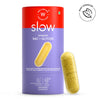 Slow Advanced N-Acetyl-Cysteine + Glycine Capsules
₹1,329 – ₹2,658
Slow Advanced N-Acetyl-Cysteine + Glycine Capsules
₹1,329 – ₹2,658







 DOWNLOAD NOW

