Iron is one of those nutrients you may not think about until your body starts asking for more.
Feeling unusually tired, getting breathless after activities that normally feel easy, struggling to concentrate, feeling weak or dizzy, or experiencing persistent headaches can sometimes be linked to iron deficiency. When iron stores become too low, the body cannot make enough healthy haemoglobin, the protein in red blood cells that carries oxygen around the body. This can eventually lead to iron deficiency anaemia.
And iron deficiency is not only about eating too little iron. Women with heavy menstrual bleeding, pregnant women, frequent blood donors, people with certain gastrointestinal conditions, and those following vegetarian diets can be more vulnerable. Plant foods contain non-heme iron, which is absorbed less efficiently than heme iron from animal foods. In fact, the NIH notes that people following vegetarian diets may need almost twice as much dietary iron because of this difference in absorption.
So if you are looking for foods with iron, the goal is not simply to find one "highest" food and eat it every day. It is to build meals around a variety of iron rich foods, understand which form of iron they provide, and make that iron easier for your body to use.
10 iron-rich foods worth adding to your plate
1. Sesame seeds
Sesame seeds are one of the more concentrated plant sources of iron and are particularly easy to add to an Indian diet. They provide non-heme iron along with healthy fats and other minerals.
You do not need a large serving. A tablespoon or two can be mixed into chutney, sprinkled over vegetables, added to a seed mix or used in homemade sesame paste.
2. Pumpkin seeds
Pumpkin seeds are another convenient food having iron, with the advantage of being easy to eat without cooking.
Keep a small jar at your desk or kitchen counter and add a spoonful to yoghurt, oats, poha or salads. They also work well as a topping for soups and grain bowls. Their nutritional value makes them a practical addition when you want to increase iron intake without relying entirely on dals and leafy greens.

3. Soybeans and tofu
Soybeans provide non-heme iron along with substantial plant protein, making them particularly useful in vegetarian diets. Tofu offers a simpler way to bring soy into everyday meals.
Try tofu bhurji with vegetables, tofu added to a stir-fry, or cooked soybeans tossed into a salad. If you are looking for iron rich foods for anemia, soy can be useful as part of an overall iron-focused diet, although diagnosed anaemia may require more than dietary changes alone.
4. Lentils
There is a reason dal remains such a useful staple. Lentils provide non-heme iron, protein and fibre, and they are easy to consume regularly.
Rather than thinking of dal as a side dish, make it part of the main structure of your meal. A bowl of masoor or moong dal with vegetables and roti or rice is a simple way to make an everyday meal more nutrient-dense. Soaking and cooking legumes properly can also improve their digestibility and reduce some compounds that interfere with mineral absorption.
5. Chickpeas
Chickpeas are one of the most versatile iron food items in an Indian kitchen. They can become chana masala, chaat, roasted chana or even a hummus-style dip.
For something quick, combine cooked chickpeas with chopped vegetables and herbs for a filling snack or lunch. Their combination of iron, protein and fibre also makes them useful for meals that need to keep you satisfied for longer.
6. Ragi
Ragi deserves a place on any Indian iron rich foods list. It contains non-heme iron and is naturally easy to use in familiar foods.
Turn it into dosa, idli, roti or porridge rather than treating it like a specialist health food. A ragi dosa with a vegetable-based chutney is a simple breakfast, while a ragi roti can replace part of your usual wheat-based meal.

7. Spinach
Spinach contains iron, but it is often given more credit than it deserves. The iron in spinach is non-heme, and compounds naturally present in leafy greens can limit how much of that iron is absorbed.
That does not mean you should skip spinach. It means variety matters. Use spinach in palak dal, add it to soups or stir it into a vegetable preparation rather than depending on it as your only source of iron.
8. Kidney beans
Rajma is another familiar food that can contribute useful amounts of iron. It provides non-heme iron alongside protein and fibre, making it a particularly valuable combination for vegetarian diets.
A tomato-based rajma with rice is an easy way to incorporate it. You can also add cooked rajma to salads or grain bowls when you want something beyond the traditional preparation.
9. Amaranth leaves
Amaranth leaves are an underrated Indian leafy green and provide non-heme iron along with other nutrients.
Use them in dal, stir-fries or simple vegetable preparations. If you already rotate spinach, methi and other greens through your meals, adding amaranth occasionally gives you another way to diversify your foods high in iron rather than depending on a single vegetable.
10. Beef liver
For those who eat meat, beef liver is a particularly concentrated source of iron and provides heme iron, the form generally absorbed more efficiently than non-heme iron from plant foods. It also contains several other micronutrients, so it is best viewed as a nutrient-dense food rather than something that needs to appear on your plate every day.
A modest serving incorporated occasionally into a balanced meal can provide considerably more iron than many plant foods in the same portion.
It is not just about how much iron you eat
Here is where your meal composition starts to matter.
Iron from plant foods is less readily absorbed than heme iron. One of the easiest ways to improve the absorption of non-heme iron is to include a source of vitamin C in the same meal. Tomatoes, lemon, amla, guava, oranges, capsicum and broccoli are practical options.
There is good research to support this. In a study involving young Indian women, adding ascorbic acid to a rice-based meal substantially increased iron absorption, while black tea consumed with the meal reduced it. [NIH]
This is particularly relevant if chai is part of your daily routine. You do not have to give it up. Simply avoid making tea the drink that accompanies your main iron-rich meal. Having it between meals is a more practical approach.
So instead of thinking:
Dal = iron
Think:
Dal + a well-planned meal = better opportunity to absorb that iron

What about iron supplements?
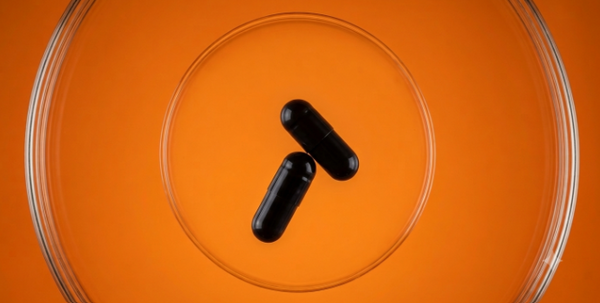
Food is the foundation, but confirmed iron deficiency or iron deficiency anaemia may require supplementation. Products such as liposomal Iron capsules or an iron strip may use different forms and delivery systems, so the appropriate choice depends on the formulation, dose and individual requirement.
Iron supplements should not be taken simply because you feel tired. A blood test can help establish whether iron stores are actually low and whether supplementation is appropriate. High doses can also cause gastrointestinal side effects and excessive iron intake can be harmful.
Key takeaways
-
The best iron rich food is not necessarily the one with the highest number on a nutrition chart. Regular intake and absorption matter too.
-
Sesame seeds, pumpkin seeds, soybeans, lentils, chickpeas and ragi are practical choices for vegetarian diets.
-
Animal foods such as beef liver provide heme iron, which is generally better absorbed.
-
Pairing plant-based foods with iron with vitamin C-rich foods can improve non-heme iron absorption, while tea with meals can reduce it.
-
If you have confirmed iron deficiency or anaemia, diet may need to be combined with appropriate medical treatment.
FAQs
1. What food is highest in iron?
The answer depends on the food and serving size. Beef liver and concentrated seeds such as sesame and pumpkin seeds are among the richer choices, while legumes and grains offer useful amounts that are easier to eat regularly.
2. What are the top 10 iron rich foods?
A practical top 10 iron rich foods list includes sesame seeds, pumpkin seeds, soybeans, lentils, chickpeas, ragi, spinach, kidney beans, amaranth leaves and beef liver.
3. What are the top 10 iron-rich foods vegetarian?
Sesame seeds, pumpkin seeds, soybeans, lentils, chickpeas, ragi, spinach, kidney beans and amaranth leaves are useful vegetarian choices.
4. Which Indian food is rich in iron?
Dal, rajma, chana, ragi, sesame seeds, pumpkin seeds, soybeans and leafy greens can all contribute to daily iron intake.
5. What food is good for iron deficiency?
A varied diet containing iron-rich legumes, seeds, grains and leafy vegetables can help increase dietary iron. Confirmed deficiency should be assessed by a healthcare professional.
6. Does lemon help iron absorption?
Yes. Vitamin C can improve the absorption of non-heme iron from plant foods.
7. Does tea reduce iron absorption?
Yes. Tea consumed with an iron-containing meal can significantly reduce non-heme iron absorption.
8. Is spinach the best iron-rich food?
No. Spinach contains iron, but its iron is non-heme and not all of it is readily absorbed. Variety is a better strategy.
9. Can vegetarians get enough iron from food?
Yes, but they need to be more intentional about iron-rich foods and meal combinations because plant-based iron is less efficiently absorbed.
10. Should I take an iron supplement if I feel tired?
Not necessarily. Fatigue has many possible causes. If iron deficiency is suspected, testing is a better first step than starting an iron supplement on your own.

Recommended Products
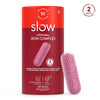 Liposomal Iron Complex |Pack of 60 Capsules
₹969 – ₹1,898
Liposomal Iron Complex |Pack of 60 Capsules
₹969 – ₹1,898
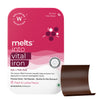 Vital Iron
₹649 – ₹1,298
Vital Iron
₹649 – ₹1,298