You know you need “vitamin B.” But which one?
Vitamin B is not actually one vitamin. It is a family of eight different B vitamins, each with its own job. B1 helps with energy metabolism, B6 is involved in protein metabolism and neurotransmitter production, folate supports DNA synthesis and cell division, while B12 is essential for healthy red blood cell formation and normal nervous system function. [NIH]
So when someone asks, “What are the best vitamin B foods?”, the answer is not one magical ingredient.
It is a varied plate.
The good news? Many of the best vitamin B rich foods are everyday staples: dal, eggs, curd, leafy greens, whole grains, nuts, fish and chicken.
Here are 10 worth knowing.
First, what are the B vitamins?
The vitamin B family includes:
-
B1: Thiamine
-
B2: Riboflavin
-
B3: Niacin
-
B5: Pantothenic acid
-
B6: Pyridoxine
-
B7: Biotin
-
B9: Folate
-
B12: Cobalamin
They are water-soluble vitamins, meaning your body does not store most of them in large amounts. B12 is the notable exception because the body can store substantial amounts in the liver.
This is why eating a variety of foods that contain vitamin B makes more sense than obsessing over a single food.
10 best vitamin B foods to add to your diet
1. Liver: the micronutrient heavyweight
If you want to talk about nutrient density, liver deserves a mention.
Beef liver is exceptionally rich in B12 and also provides folate and several other B vitamins. According to the NIH, 85 gm of cooked beef liver provides around 70.7 mcg of vitamin B12, far exceeding the adult RDA of 2.4 mcg. [NIH]
It also provides iron, copper and vitamin A.
The practical takeaway: You do not need a huge serving. Liver is extremely concentrated, so it is better thought of as an occasional nutrient-dense food rather than something to eat every day.
2. Eggs: small food, surprisingly broad B-vitamin profile
Eggs are one of the easiest vitamin B food sources to add to your routine.
They provide B2, B5, B7 and B12, along with protein and choline.
A large cooked egg contains about 0.5 mcg of B12. [NIH]
Try this: Eggs + whole-grain toast + sautéed spinach makes a much more nutrient-dense breakfast than eggs alone.
And if you are looking for vitamin B foods for vegetarians specifically eggetarians, eggs are particularly useful for B12.
3. Salmon and other fish
Fish brings more than omega-3s to the table.
Salmon provides B3, B6 and B12, alongside high-quality protein and omega-3 fatty acids. There's approximately 2.6 mcg of B12 in 85 gm of cooked Atlantic salmon, which is more than the daily requirement for most adults. [NIH]
Vitamin B6 is involved in more than 100 enzyme reactions in the body, including those involved in protein metabolism and neurotransmitter synthesis. [NIH]
Try this: Keep it simple. Grilled fish + vegetables + rice or another whole grain is an easy B-vitamin-rich meal.

4. Dal, lentils, chickpeas and beans
This is where your everyday Indian food gets a serious nutrition upgrade.
Lentils, chickpeas, kidney beans and other legumes contribute several B vitamins, particularly B1, B6 and folate. They also bring fibre, plant protein, iron, magnesium and potassium.
Folate is particularly important because it is involved in DNA and RNA synthesis and normal cell division. [NIH]
Try this: Dal + leafy greens + whole-grain roti is already a strong combination.
No fancy “superfood” required.
5. Dark leafy greens
Spinach, mustard greens and other dark green vegetables are some of the most useful plant-based vitamin B rich foods, particularly for folate.
Dark leafy greens are listed among the foods naturally rich in folate, alongside beans, peas, nuts and certain fruits. [NIH]
Here is a detail worth remembering: folate and folic acid are not exactly the same thing.
Folate refers broadly to the naturally occurring forms found in foods. Folic acid is a form used in fortified foods and many supplements. [NIH]
Try this: Add spinach to dal, make a leafy-green sabzi, toss greens into an omelette or add them to a grain bowl.
6. Chicken and poultry
Chicken is another practical source of B vitamins, particularly B3, B5, B6 and B12.
The interesting part about B3, or niacin, is that it does not simply “give you energy.” Your body uses niacin to form coenzymes involved in hundreds of metabolic reactions, including those involved in converting carbohydrates, fats and proteins into usable energy. [NIH]
Try this: Add grilled chicken to a salad, wrap, rice bowl or simple home-cooked meal.
7. Milk, curd and yogurt
Dairy foods are useful sources of B2 and B12, while also contributing protein and calcium.
A cup of 2% milk contains about 1.3 mcg of B12, while a 6-ounce serving of plain fat-free yogurt provides about 1 mcg. [NIH]
Try this: Curd with lunch, plain yogurt with fruit or milk added to oats.
For vegetarians who consume dairy, these can be particularly practical vitamin B food sources.
8. Whole grains
Oats, whole wheat, brown rice and other whole grains can contribute B vitamins including B1, B3 and B6.
Thiamin, or B1, is involved in energy metabolism and normal cellular function.
The catch? Refining grains can remove some of the naturally occurring nutrients concentrated in the outer layers of the grain.
Try this: You do not need to eliminate white rice or regular roti. Simply make whole grains a regular part of your rotation.
Think oats at breakfast, whole-wheat roti at lunch or brown rice occasionally.
9. Nuts and seeds
Almonds, peanuts, sunflower seeds and other nuts and seeds can contribute several B vitamins, depending on the food.
They also add protein, fibre and healthy fats, making them an easy way to increase the overall nutritional density of a meal.
Try this: Add nuts to oats, sprinkle seeds over curd or keep a small serving as a snack.
The trick is portion size. Healthy does not mean unlimited.

10. Fortified foods: the B12 wildcard
This one is especially important if you eat little or no animal food.
Vitamin B12 is naturally present in animal-derived foods. Plant foods do not naturally contain reliable B12 unless they are fortified. Fortified breakfast cereals and fortified nutritional yeast can therefore be useful sources. NIH Vitamin B12 Fact Sheet
And this is something people often get wrong.
A food being “plant-based” does not automatically mean it contains B12.
If you follow a vegan diet, check labels for added B12 rather than assuming your diet is covering it.
What does a vitamin B-rich day actually look like?
You do not need to count every B vitamin in every meal.
Instead, build meals around variety.
Breakfast: Eggs + whole-grain toast + fruit
Lunch: Dal + spinach or another leafy vegetable + whole-wheat roti + curd
Snack: Nuts and seeds + fruit
Dinner: Salmon or chicken + vegetables + rice or another whole grain
Vegetarian option: Replace fish or chicken with beans, chickpeas, lentils or another protein-rich food, and pay extra attention to B12 from dairy, eggs or fortified foods.
That is what a practical vitamin B foods list looks like in real life.
Not complicated. Not perfect. Just varied.
Do you need B-complex capsules?
Sometimes. But not automatically.
A B-complex capsule contains several B vitamins together, but that does not mean everyone needs one.
Your requirement depends on your diet, age, life stage and individual health circumstances. Supplements can be useful when dietary intake is inadequate or a healthcare professional identifies a deficiency or increased need.
B12 is a particularly important example.
The adult RDA for B12 is 2.4 mcg per day, but supplements often contain much larger amounts. That is because B12 absorption is a complicated process and only a small percentage of very high supplemental doses is absorbed. [NIH]
So, if you are considering a vitamin B12 strip, tablet or another supplement, focus less on the format and more on whether you actually need B12 and whether the dose makes sense for you.
One more thing: B vitamins do not work like an energy drink
This is worth clearing up.
Because B vitamins are involved in energy metabolism, they are often marketed as if taking more automatically means feeling more energetic.
It does not work that way.
B vitamins help your body use nutrients in normal metabolic pathways. If you are deficient, correcting that deficiency can obviously matter. But if you already have adequate levels, taking extra B vitamins is not a shortcut to unlimited energy.
Think of them as essential parts of the machinery, not fuel itself.
The bottom line
The best vitamin B foods are not necessarily the most exotic ones.
They are the foods you can actually eat consistently.
Eggs. Dal. Chickpeas. Leafy greens. Whole grains. Curd. Nuts. Seeds. Fish. Poultry. Fortified foods when needed.
Together, these foods can provide a broad mix of B vitamins while also delivering protein, fibre, healthy fats and other essential nutrients.
And perhaps the biggest takeaway is this:
Do not ask, “What is the single best vitamin B food?” Ask, “How much variety is there on my plate?”
That is a much better nutrition strategy.
Key takeaways
-
Vitamin B is a family of eight vitamins, not one nutrient, so different foods provide different B vitamins.
-
Liver, eggs, fish, poultry, legumes, leafy greens, dairy, whole grains, nuts and seeds are some of the most practical vitamin B food sources.
-
B12 is the one to watch closely if you eat mostly or entirely plant-based. Unfortified plant foods do not naturally provide reliable B12.
-
Folate-rich foods include leafy greens, beans, peas, nuts and certain fruits, making plant foods an important part of a B-vitamin-rich diet.
-
More B vitamins do not automatically mean more energy. They support normal metabolism, but supplements are most useful when they address an actual dietary gap or increased requirement.
FAQs about vitamin B foods
1. What foods are highest in vitamin B?
Some of the most nutrient-dense vitamin B food sources include liver, fish, eggs, poultry, legumes, leafy greens, dairy, whole grains, nuts and seeds. Different foods are rich in different B vitamins, so variety matters more than choosing one food.
2. What are the best vitamin B rich foods for daily eating?
Eggs, dal, chickpeas, leafy greens, whole grains, curd, nuts and seeds are easy everyday options. Fish and poultry can add B6, B3 and B12.
3. What are the best vitamin B foods for vegetarians?
Eggs and dairy provide B12, while legumes, leafy greens, whole grains, nuts and seeds provide several other B vitamins. If you follow a vegan diet, B12 needs special attention because plant foods do not naturally contain reliable B12.
4. Which foods contain vitamin B12?
Fish, meat, poultry, eggs, milk and other dairy products naturally contain B12. Beef liver, clams and oysters are particularly rich sources. Fortified cereals and nutritional yeast can also provide B12.
5. Are eggs a good vitamin B food?
Yes. Eggs provide several B vitamins, including B2, B5, B7 and B12. They are also a convenient source of protein and choline.
6. Which vegetarian foods are rich in folate?
Dark leafy greens, beans, peas, peanuts and other nuts are good natural sources of folate. Spinach and other dark green vegetables are particularly useful.
7. Can I get enough vitamin B from food?
Many people can meet their B-vitamin requirements through a varied diet. However, B12 deserves particular attention in people who avoid animal foods, as well as in some people who have difficulty absorbing B12 from food.
8. Should I take B-complex capsules?
Not everyone needs B-complex capsules. They may be useful when your diet does not provide enough of certain B vitamins or when supplementation is recommended based on your individual needs. It is better to address a specific nutritional gap than take supplements simply because they are marketed for “energy.”
9. Do vitamin B foods give you more energy?
B vitamins are essential for normal energy metabolism, but they are not stimulants. If you are deficient, correcting the deficiency can help address related problems. If you already get enough, consuming extra B vitamins does not automatically give you an energy boost.

Recommended Products
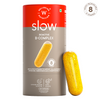 Bioactive B Complex | Methylated B Vitamins with Biotin & Vitamin C | 60 Capsules
₹872 – ₹1,708
Bioactive B Complex | Methylated B Vitamins with Biotin & Vitamin C | 60 Capsules
₹872 – ₹1,708
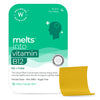 Vitamin B12
₹649 – ₹1,233
Vitamin B12
₹649 – ₹1,233