Because great hair starts at the root, literally.
I’m sure you've tried the hair masks. You've switched shampoos three times this year. You've even dabbled in scalp massages at 11pm on a Tuesday. And yet, the shedding continues, the shine is MIA, and your strands feel more like straw than silk.
Here's what nobody's told you yet: your hair is talking, and it's asking to be fed, not just treated.
Welcome to the era of the hair detox, where the real glow-up starts from within.

Why Your Hair Needs a Detox (And What That Actually Means)
When we say detox your hair, we're not just talking about a clarifying shampoo. A true hair detox is a full-system reset: clearing out the internal and external noise, excess DHT (dihydrotestosterone, the hormone linked to hair loss), oxidative stress, nutritional deficiencies, and scalp buildup that are quietly blocking your hair's potential.
Think of your hair follicle as a tiny garden plot. If the soil is depleted, no seed will thrive. Crash diets, ultra-processed food, chronic stress, and pollution are constantly depleting that soil. The result? Hair fall, dullness, breakage, and slow growth.
The fix? Nourish from the inside out while supporting detox pathways your body already has.
Here's the part most people skip: your hair is not a vital organ. Nutrients reach your scalp last, after your heart, brain, and liver have taken their share. If your nutrition is borderline, your strands will feel it first.
The Nutrition Framework: What Your Hair Actually Runs On
Protein: The Non-Negotiable
Hair is approximately 95% keratin, a structural protein. Without adequate protein for hair strength, follicles miniaturize, strands thin, and the growth phase shortens. Most people think they eat enough protein. Most people are wrong.
What to eat: Eggs (especially the yolk, which also carries biotin and selenium), lentils, paneer, Greek yogurt, chicken, tofu, and legumes. If you're plant-based, combine rice with dal or hummus with whole wheat, because complete amino acid profiles matter for keratin synthesis.
Aim for 1.2 to 1.6 grams of protein per kilogram of body weight daily. For a 60kg person, that's 72 to 96 grams, not just a handful of almonds and calling it a day.
Collagen: The Underrated Powerhouse
Here's something most people don't know: your body doesn't just use collagen for skin. Collagen for hair growth is a real thing. Collagen provides the amino acids (proline, glycine, hydroxyproline) that are direct building blocks for keratin. It also surrounds the hair follicle and maintains the dermal papilla, the structure that literally feeds your hair.
Is collagen good for hair? The research says yes. Studies have found that hydrolyzed collagen supplementation significantly improved hair thickness and reduced hair fall in women. [ScienceDirect]

The best dietary sources of collagen are bone broth, slow-cooked meat on the bone, and fish skin. But here's where it gets interesting: marine collagen (derived from fish scales and skin) is considered the most bioavailable form of collagen available. Marine collagen peptides absorb up to 1.5 times more efficiently than bovine collagen because of their smaller molecular size. If you're considering a supplement, collagen for hair in marine form is worth prioritizing.
To boost your body's natural collagen production, pair collagen sources with Vitamin C. Amla, bell peppers, kiwi, and guavas are your best friends here.
Omega-3 Fatty Acids: Liquid Shine, Literally
If you want omega-3 for shiny hair, think of it as the oil your scalp cannot produce on its own. Omega-3s reduce scalp inflammation (a major hidden driver of hair fall), nourish hair follicles, and give strands that glossy, hydrated look from the inside.
What to eat: Flaxseeds ground into your morning smoothie or sprinkled on curd, walnuts (a small fistful daily), fatty fish like salmon, mackerel, or sardines twice a week, and chia seeds soaked overnight. If you're vegetarian, algae-based omega-3 supplements are an excellent source since algae is where fish get their omega-3s to begin with.

Iron and Ferritin: The Silent Saboteur
Low ferritin (your iron storage protein) is one of the most overlooked causes of hair fall in women. Ferritin below 70 ng/mL has been associated with telogen effluvium, a condition where hair prematurely enters the shedding phase. You can have "normal" hemoglobin and still have ferritin levels that are devastating your hair.
What to eat: Spinach with lemon juice (Vitamin C enhances iron absorption), kidney beans, pumpkin seeds, beetroot, and jaggery. Avoid drinking tea or coffee within an hour of iron-rich meals since tannins block absorption significantly.
Zinc and Selenium: The Scalp's Security System
Zinc regulates DHT and supports the oil glands around follicles. Selenium is a co-factor for antioxidant enzymes that protect follicles from free radical damage. Both are key for hair fall control.
Natural sources: Pumpkin seeds (nature's zinc bomb), Brazil nuts (just 2 a day gives you your full selenium requirement), whole grains, and mushrooms.
Silica: The One Nutrient Nobody Talks About
Silica strengthens the cell walls of the hair shaft, making strands more resistant to breakage. It's found in oats, millet (bajra and jowar), cucumber, and bananas.
If you're looking for hair growth tips that feel genuinely new, adding millet to your rotation is one that delivers.

The Practical Detox Plate: A Day That Actually Works
Morning: Warm water with amla powder (Vitamin C hit) + 2 boiled eggs or a moong dal chilla with spinach filling.
Mid-morning: A small bowl of soaked walnuts, pumpkin seeds, and a few Brazil nuts.
Lunch: Bajra roti with rajma curry or grilled fish with a side of palak + cucumber raita.
Evening snack: Greek yogurt with ground flaxseeds and a kiwi.
Dinner: Bone broth or a collagen-rich chicken curry cooked on the bone, with brown rice and a salad dressed in cold-pressed flaxseed oil.
This isn't a diet. It's a nutrition plan for healthy hair that you can sustain.
How to Detox Your Hair Naturally, Without Overcomplicating It
You don't need a 10 step ritual, an expensive haul, or a complete lifestyle overhaul. Here are a few practical, realistic things you can actually stick to.
-
Start with protein at every meal. This is the single highest impact change you can make. Even adding one egg or a small bowl of dal to a meal that previously had none moves the needle, since hair literally cannot rebuild itself without enough amino acids in circulation.
-
Add a vitamin C source daily. A small bowl of citrus, amla, or bell peppers helps your body synthesize its own collagen more efficiently, which directly supports the keratin building process. Pair this with your protein meal rather than treating it separately.
-
Get omega 3s in twice a week, minimum. Oily fish like salmon or mackerel is ideal, but flaxseeds and walnuts work as a consistent vegetarian backup. This is one of the most underrated, practical hair detox tips because it tackles dullness from the inside rather than just coating strands with oil externally.
-
Do a clarifying wash every two weeks. Regular shampoo doesn't always clear silicone buildup, hard water minerals, or pollution residue. A natural clarifying formula resets your scalp so actives in your other products can actually absorb instead of sitting on top of buildup.
-
Massage your scalp for five minutes daily. This sounds almost too simple to matter, but increased blood flow to follicles genuinely supports nutrient delivery, and it costs nothing. Do it while watching TV or right before bed, no oil required, though a few drops of a lightweight oil can help with glide.
-
Cut down heat styling frequency, not eliminate it. You don't need to give up your straightener forever. Aim for 2 to 3 heat-free days a week, and always use a heat protectant when you do style, since heat damage is one of the fastest ways to undo nutritional progress.
-
Switch to a silk or satin pillowcase. Cotton creates friction overnight that leads to breakage and frizz. This is a one time purchase that quietly protects your progress every single night without you having to think about it again.
-
Check your iron and zinc levels if shedding feels excessive. Iron deficiency is one of the most common, most missed causes of hair fall, particularly in women with heavier menstrual cycles. A simple blood test can save months of guessing with products that were never going to fix the actual issue.
-
Manage stress with something you'll actually do. Cortisol spikes are directly linked to telogen effluvium, the stress induced shedding phase. This doesn't need to be a meditation retreat, even 10 minutes of a walk, journaling, or breathing exercises daily reduces the physiological stress load on your follicles.
-
Consider a marine collagen supplement as backup, not a replacement. If your diet genuinely struggles to hit enough protein most days, a marine collagen supplement can fill the gap thanks to its smaller, more bioavailable peptides. Use it to support hair fall control alongside food, never as a substitute for an actual meal plan.
The realistic takeaway here is consistency over intensity. Doing all 10 of these imperfectly for three months will outperform doing one of them perfectly for a week.
Key Takeaways
-
Hair is a nutrition mirror. Dullness, shedding, and slow growth are almost always rooted in dietary gaps before they're a product problem.
-
Protein for hair strength is non-negotiable. Most people undereat protein. Hit your daily target consistently, and you'll see a shift within 8 to 12 weeks.
-
Marine collagen is a legitimate game-changer. Its bioavailability and direct amino acid contribution to keratin make it one of the most impactful supplements for hair fall control and thickness.
-
Omega-3s and silica are underrated. Flaxseeds, walnuts, and millet are simple, affordable, and genuinely effective for shine and strand strength.
-
Check your ferritin, not just your hemoglobin. If you're doing everything right and still experiencing hair fall, a blood test for ferritin levels could reveal the answer hiding in plain sight.
Strong hair isn't a trend. It's a result. And it starts with what's on your plate.
FAQs
Q1. How long does a hair detox take to show results?
Visible improvement in hair texture and reduced shedding typically shows up within 8 to 12 weeks of consistent nutritional changes, since hair grows approximately 1.25 cm per month.
Q2. Is marine collagen better than plant-based alternatives for hair?
Yes, marine collagen contains hydroxyproline-rich peptides that are directly used in keratin synthesis. Plant-based options support collagen production indirectly by providing Vitamin C and amino acids but are not collagen themselves.
Q3. Can a poor diet cause hair fall even without any deficiency?
Absolutely. Suboptimal nutrient intake, even without clinical deficiency, creates competition between organs. Hair, being non-essential, loses out first.
Q4. How much omega-3 do I need daily for shiny hair?
General guidelines suggest 1,000 to 2,000 mg of EPA and DHA combined daily. One tablespoon of ground flaxseed plus a small handful of walnuts covers a solid portion of this if you're not eating fish.
Q5. What foods should I avoid during a hair detox?
Refined sugar, ultra-processed foods, alcohol, and high-mercury fish (like tuna consumed daily) are the biggest offenders. Sugar triggers inflammation and can spike DHT levels.
Q6. Is biotin really the best supplement for hair growth?
Biotin works if you're actually deficient, which is rarer than the industry suggests. If you eat eggs and nuts regularly, you're likely not deficient. Marine collagen and iron are often more impactful for most people experiencing hair fall.
Q7. Does stress affect hair nutrition?
Chronic stress depletes magnesium, zinc, and B vitamins rapidly, and pushes follicles into the shedding phase (telogen effluvium). Nutrition and stress management need to work together.
Q8. Can I do a hair detox if I'm pregnant or breastfeeding?
Always consult your doctor first. Many nutrients like iron, protein, and omega-3s are beneficial, but supplement dosages need medical guidance during pregnancy.
Q9. How often should I use a clarifying shampoo as part of a scalp detox?
Every 2 to 3 weeks is ideal for most hair types. Over-clarifying strips the scalp's natural oils and can worsen dryness and breakage.
Q10. Which is better for hair fall control: collagen supplements or protein powder?
Both serve different roles. Collagen specifically targets the dermal layer and follicle matrix. Protein powders support overall keratin production. Ideally, focus on whole food protein first, and use marine collagen as a targeted supplement alongside it.

Recommended Products
 Beauty Korean Marine Collagen Peptides Mango Peach Flavour
₹1,599 – ₹6,397
Beauty Korean Marine Collagen Peptides Mango Peach Flavour
₹1,599 – ₹6,397
 Beauty Collagen Strawberry Watermelon Flavour
₹1,599 – ₹6,397
Beauty Collagen Strawberry Watermelon Flavour
₹1,599 – ₹6,397
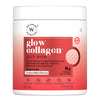 Glow Korean Marine Collagen Peptides with Liposomal Glutathione & Vitamin C | Tropical Bliss Flavour | 250g
₹1,599 – ₹6,397
Glow Korean Marine Collagen Peptides with Liposomal Glutathione & Vitamin C | Tropical Bliss Flavour | 250g
₹1,599 – ₹6,397
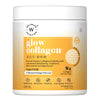 Glow Korean Marine Collagen Peptides with Liposomal Glutathione & Vitamin C | Valencia Orange Flavour | 250g
₹1,599 – ₹6,397
Glow Korean Marine Collagen Peptides with Liposomal Glutathione & Vitamin C | Valencia Orange Flavour | 250g
₹1,599 – ₹6,397
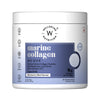 Korean Marine Collagen - Blueberry Mint
₹839 – ₹1,678
Korean Marine Collagen - Blueberry Mint
₹839 – ₹1,678
 Hair Fall Control
₹649 – ₹1,298
Hair Fall Control
₹649 – ₹1,298
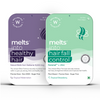 Ultimate Hair Combo
₹1,198
Ultimate Hair Combo
₹1,198