Beauty supplements are having a moment.
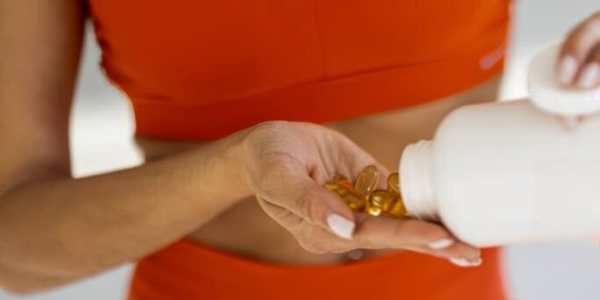
From glowing skin to stronger nails, formulas packed with nutrients like biotin are now everywhere. Many people add a Biotin Supplement or a Hair, Skin & Nails Supplement to their routine hoping to support healthier hair growth and skin vitality.
But as with any trending supplement, questions follow closely behind. One of the most common is surprisingly simple: does biotin cause weight gain?
Search engines are filled with variations of the same concern: can biotin cause weight gain, does biotin gain weight, or whether biotin cause weight gain over time.
To answer these questions properly, we need to look beyond internet anecdotes and explore how biotin actually works inside the body and how it interacts with metabolism.
What Exactly Is Biotin and Why Do People Take It?
Biotin, also known as vitamin B7, is a water-soluble B vitamin that plays a key role in how your body converts food into usable energy.
Your cells rely on biotin to support several enzymes involved in carbohydrate metabolism, fat metabolism, and amino acid breakdown. In simpler terms, biotin helps the body unlock energy from the foods you eat.
Because of this role, biotin has gained popularity in products designed to support Hair, Skin & Nails Supplement formulas. Healthy hair follicles, skin cells, and nail structures require efficient nutrient metabolism, and biotin helps fuel that process.
A high-quality Biotin Supplement is often used for:
-
Supporting hair growth cycles: Biotin helps support the metabolic activity of hair follicles, which are among the fastest-growing cells in the body. Consistent intake through a Biotin Supplement may help maintain healthy hair growth cycles and reduce visible thinning over time (NIH).
-
Strengthening brittle nails: Brittle nails often occur when the nail plate lacks structural proteins and proper nutrient support. Biotin can help strengthen nail keratin, making nails less prone to splitting and breakage (NIH).
-
Improving skin health: Healthy skin relies on efficient nutrient metabolism and proper cellular turnover. Biotin supports these processes, which may help maintain smoother, more resilient skin (NIH).
-
Supporting metabolic function: Biotin acts as a cofactor for enzymes that help convert carbohydrates, fats, and proteins into usable energy. This metabolic support helps the body efficiently process nutrients needed for daily cellular functions (NIH).
But despite these benefits, the question still circulates widely: does biotin gain weight or change body composition?
Does Biotin Cause Weight Gain? The Short Answer
Scientifically speaking, biotin does not directly cause weight gain.
In fact, biotin plays a role in metabolic pathways that help the body process carbohydrates, fats, and proteins efficiently. Instead of promoting fat storage, it helps enzymes break nutrients down so they can be used for energy (NIH).
If we look at metabolic physiology, the idea that can biotin cause weight gain does not hold strong biological support. Biotin does not increase calorie intake, stimulate fat storage hormones, or slow metabolic rate.
In most cases, the answer to does biotin cause weight gain is simply no.
However, the story becomes more nuanced when we look at indirect factors that can influence body weight perception.
Why Some People Think Biotin Causes Weight Gain
While biotin cause weight gain is not supported by scientific mechanisms, a few real-world experiences can create that impression.
1. Improved Metabolism Can Increase Appetite
Biotin participates in metabolic pathways that convert nutrients into energy. When metabolism runs more efficiently, some people notice slightly increased appetite.
This does not mean the vitamin causes fat gain. It simply means the body may signal hunger a bit more frequently as energy metabolism improves.
2. Hair and Nail Growth Can Change Nutrient Demand
When someone starts a Hair, Skin & Nails Supplement, the body begins directing more nutrients toward keratin production, collagen support, and cellular turnover.
If diet quality increases alongside supplementation, calorie intake may also rise subtly. Over time, this lifestyle shift could reflect on the scale.
But again, biotin itself is not the driver of weight gain.
3. Water Retention Misinterpretation
Sometimes small fluctuations in body weight come from hydration levels rather than fat accumulation. Changes in diet, electrolytes, or supplement routines can influence water balance, leading people to assume the supplement is responsible.
This is one reason the belief that does biotin gain weight continues circulating online.
Understanding the Right Biotin Dosage
Another factor worth discussing is Biotin Dosage.
Biotin requirements are relatively small because the body needs only tiny amounts to support enzyme activity.
Typical intake ranges include:
-
30–100 mcg daily for general health
-
2,500–5,000 mcg in many hair and nail supplements
-
Higher therapeutic doses used under medical supervision
Higher doses are often included in beauty supplements because hair follicles are metabolically active tissues that benefit from consistent nutrient support.
Importantly, even these higher supplement levels have not been shown to cause body weight gain.
So if someone wonders can biotin cause weight gain, dosage is usually not the culprit.
Does Biotin Timing Matter?
Many people also ask whether Biotin timing influences how the vitamin works.
Because biotin is water-soluble, it can technically be taken at any time of day. However, certain timing strategies can improve consistency and absorption.
Many nutritionists recommend:
-
Taking biotin with breakfast to support daily metabolism
-
Pairing it with other B-vitamins for synergistic effects
-
Taking it alongside a balanced meal for better absorption
Consistent Biotin timing mainly helps maintain steady nutrient availability rather than affecting body weight.
Signs You Might Benefit from Biotin
While true biotin deficiency is uncommon, certain signs may suggest your body could benefit from additional intake:
-
Thinning hair or increased hair shedding
-
Brittle nails that split easily
-
Dry or irritated skin
-
Persistent fatigue related to metabolic inefficiency
In these cases, a well-formulated Hair, Skin & Nails Supplement containing biotin alongside supportive nutrients like zinc, vitamin C, and collagen peptides may provide broader benefits.
The Bottom Line
If you are wondering does biotin cause weight gain, the scientific answer is reassuring. Biotin does not trigger fat storage, slow metabolism, or directly increase body weight.
Instead, this vitamin plays an essential role in helping your body convert nutrients into energy and support tissues like hair, skin, and nails. Occasional weight fluctuations reported by supplement users usually come from changes in appetite, hydration, or lifestyle habits rather than the vitamin itself.
When taken at the right Biotin Dosage, with consistent Biotin timing, and alongside a balanced diet, biotin can quietly support metabolic efficiency and beauty from within. And sometimes, the most powerful nutrients work behind the scenes, helping your biology run smoothly without making dramatic headlines.
FAQs
1. Does biotin cause weight gain?
No, biotin does not directly cause weight gain. Biotin supports metabolic processes that help the body convert carbohydrates, fats, and proteins into energy rather than promoting fat storage.
2. Can biotin cause weight gain if taken daily?
Taking a Biotin Supplement daily is unlikely to cause weight gain. Any small weight fluctuations people notice are usually related to diet changes, hydration, or natural body weight variations.
3. Does biotin increase appetite and lead to weight gain?
Biotin itself does not significantly increase appetite. However, because it supports metabolism, some individuals may notice slight changes in hunger levels, which could indirectly influence eating habits.
4. What is the recommended Biotin Dosage for hair, skin, and nails?
Typical Biotin Dosage ranges from 30–100 mcg for general health, while many Hair, Skin & Nails Supplement formulas contain 2,500–5,000 mcg to support hair and nail strength.
5. What is the best Biotin timing for better absorption?
The best Biotin timing is usually in the morning with a meal. Taking it consistently each day with food may help support steady nutrient absorption and metabolic function.
6. How long does a Biotin Supplement take to show results?
Most people begin noticing improvements in hair and nail strength within 8–12 weeks. Hair growth cycles take time, so consistent use of a Biotin Supplement is important for visible results.
7. Who should consider taking a Hair, Skin & Nails Supplement with biotin?
People experiencing brittle nails, hair thinning, or dull skin may benefit from a Hair, Skin & Nails Supplement that includes biotin along with supportive nutrients like zinc, vitamin C, and collagen.

Recommended Products
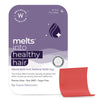 Healthy Hair
₹599 – ₹1,138
Healthy Hair
₹599 – ₹1,138
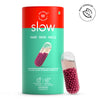 Hair, Skin & Nails Slow
₹1,259 – ₹2,518
Hair, Skin & Nails Slow
₹1,259 – ₹2,518