You don’t expect it to happen this way. Not after everything your body has already done.
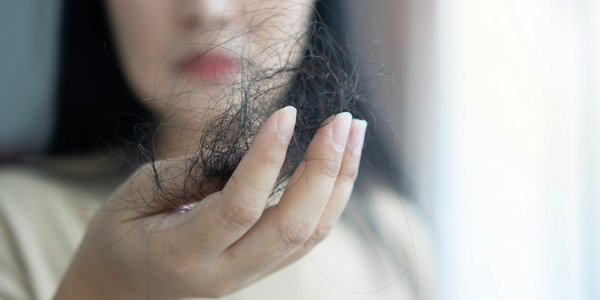
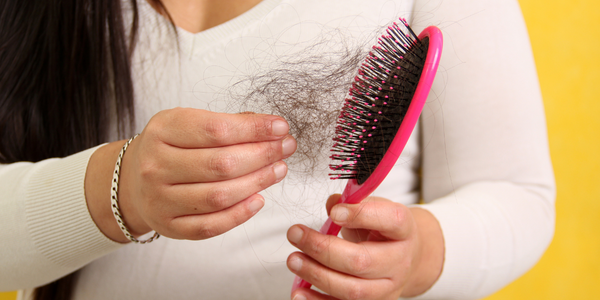
Pregnancy gives you fuller hair, almost cinematic in its volume and shine. And then, a few weeks after delivery, the shift begins. Subtle at first. Strands on your pillow. More in your brush. A little too much left behind after every wash.
Soon, it feels excessive. Unsettling.
Postpartum hair loss is not just physical. It is emotional. It arrives at a time when your body is still recovering, your routine is unpredictable, and your reserves, both nutritional and energetic, are running low.
But beneath the surface, something precise is happening. This is biology recalibrating. Hormones resetting. Nutrients being redirected to more essential systems.
And this is exactly where hair supplements for women become meaningful. Not as a cosmetic fix, but as structured nutritional support that helps your body return to balance.
The Biology Behind Postpartum Hair Loss

To understand recovery, you need to understand the shift.
During pregnancy, elevated estrogen levels prolong the growth phase of your hair cycle. Hair that would normally shed stays anchored. This creates that dense, voluminous effect many women notice.
After childbirth, estrogen levels drop sharply. This triggers a synchronized shift. A large number of hair follicles move into the shedding phase at the same time.
This condition, known as telogen effluvium, typically peaks between 8 to 16 weeks postpartum (NIH).
What amplifies it further is the internal environment:
-
Depleted iron stores after pregnancy and delivery
-
Increased nutritional demand during breastfeeding
-
Sleep disruption affecting cellular repair
-
Elevated stress hormones influencing the hair cycle
The outcome is a visible reduction in hair density, along with increased shedding and slower regrowth.
This is not damage. It is a delayed reset.
Why Nutritional Support Becomes Non-Negotiable
Hair is metabolically active, but not essential for survival. Which means when your body is low on nutrients, it prioritizes organs, hormones, and recovery processes over hair growth.
Even a mild deficiency can shift your hair cycle out of balance.
This is why recovery is not about one ingredient. It is about restoring a network of nutrients that support:
-
Follicle strength
-
Oxygen delivery
-
Protein synthesis
-
Cellular repair
This is where well-formulated hair supplements for women step in. They do not override biology. They support it.
The Foundation of Hair Recovery
Before you look for specialized solutions, you rebuild the base.
Postnatal vitamins are designed to replenish what pregnancy depletes. They support systemic recovery, which directly influences hair regrowth (NIH).
A well-formulated postnatal blend typically includes:
-
Iron for restoring oxygen transport and preventing prolonged shedding
-
Folate and B vitamins for cellular turnover and energy metabolism
-
Vitamin D for follicle cycling and immune balance
-
Zinc for tissue repair and scalp health
These nutrients do not act in isolation. They work in synergy to restore equilibrium.
When your baseline nutrition improves, your hair cycle stabilizes.
Iron and Biotin: Core Nutrients That Drive Regrowth

Among all nutrients, two stand out for their direct impact on hair recovery.
Iron plays a critical role in delivering oxygen to hair follicles. Without adequate oxygen, follicles remain in a resting state, delaying regrowth. Postpartum women are particularly vulnerable to low iron levels, making this a key area to address (NIH).
Biotin supports keratin synthesis. Keratin is the structural protein that forms your hair shaft. Adequate biotin levels contribute to stronger strands, reduced breakage, and improved texture (NIH).
Together, iron and biotin support:
-
Reduced hair shedding linked to deficiency that is often linked to underlying nutrient deficiencies.
-
Stronger, more resilient hair strands that are less prone to breakage during the recovery phase.
-
Improved growth conditions at the follicle level, creating a more supportive environment for consistent and healthy regrowth.
However, context matters. Biotin alone is rarely sufficient. It performs best within a comprehensive nutritional framework.
Rebuilding Hair Density

Stopping hair fall is only the first step. The real marker of recovery is the return of volume. The gradual improvement in hair density that restores fullness and structure. This requires sustained support across multiple pathways.
Key nutrients that contribute to density include:
-
Protein and Amino Acids: Hair is composed primarily of protein. Inadequate intake slows down regrowth and weakens new strands (NIH).
-
Vitamin D: Plays a role in activating hair follicles and regulating the growth cycle (NIH).
-
Omega-3 Fatty Acids: Support scalp health by reducing inflammation and improving circulation (NIH).
-
Vitamin C and Collagen Support Nutrients: Help maintain the structural integrity of hair and support connective tissue around follicles (NIH).
When these nutrients are consistently supplied, the hair growth environment improves. Not instantly. But reliably.
Choosing the Right Hair Supplements for Women

The supplement landscape is crowded. Promises are easy. Results are not. A more discerning approach makes all the difference.
Look for:
-
Comprehensive formulations: Products that combine postnatal vitamins, iron and biotin, and supportive micronutrients offer better outcomes than single-ingredient supplements.
-
Clinically relevant dosages: Effective, balanced levels that support absorption without overwhelming the system.
-
High bioavailability: Nutrients in forms your body can absorb and utilize efficiently.
-
Consistency over novelty: Hair recovery responds to steady, long-term support. Not quick fixes.
The goal is not excess. It is adequacy and balance.
What a Realistic Recovery Timeline Looks Like
Hair growth follows its own rhythm. It does not rush.
Understanding the timeline helps set expectations:
-
Weeks 4 to 6: Gradual reduction in excessive shedding as nutrient levels begin to stabilize
-
Months 2 to 3: Emergence of fine regrowth, often visible along the hairline
-
Months 3 to 6: Noticeable improvement in overall hair density and volume
Interruptions in supplementation or inconsistent intake can delay this process.
Consistency is not optional. It is foundational.
Daily Habits That Strengthen Supplement Outcomes
Supplements are only one part of the equation. Your daily habits shape how effectively your body uses them.
Simple, consistent actions create a compounding effect:
-
Ensure adequate protein intake through balanced meals
-
Stay hydrated to support scalp and follicle health
-
Avoid excessive heat styling and tight hairstyles
-
Incorporate gentle scalp care practices
-
Prioritize sleep to allow cellular repair and regeneration
-
Manage stress through small, sustainable routines
These habits do not need to be perfect. They need to be consistent.
The Takeaway
Postpartum hair loss can feel disproportionate to everything else you are managing. But it is a phase. Predictable. Temporary. Recoverable.
With the right nutritional strategy, your body finds its way back to balance. Hair supplements for women play a central role in this recovery. They help restore what has been depleted, support follicle function, and gradually improve hair density.
Start with well-rounded postnatal vitamins. Support consistently with iron and biotin. Give your body time to respond.
Hair regrowth does not announce itself dramatically. It returns quietly. In softer shedding. In finer strands appearing along your hairline. In the slow but certain return of volume. And one day, you realize the shift has happened.
FAQs
1. Do hair supplements for women really help with postpartum hair loss?
Yes, well-formulated hair supplements for women can support postpartum recovery by replenishing depleted nutrients, stabilizing the hair cycle, and improving overall hair density over time when taken consistently.
2. When should I start taking postnatal vitamins for hair recovery?
You can start postnatal vitamins immediately after delivery or continue them from pregnancy, as they help restore nutrient levels and support both overall recovery and hair regrowth.
3. How long does postpartum hair loss last?
Postpartum hair loss typically begins around 2 to 4 months after delivery and can last up to 6 months, with gradual improvement in hair density as the body restores balance.
4. Are iron and biotin important for postpartum hair regrowth?
Yes, iron and biotin play a key role in supporting oxygen supply to hair follicles and keratin production, which helps reduce shedding and promote stronger, healthier regrowth.
5. Can I improve hair density after postpartum hair loss?
Yes, improving hair density is possible with consistent nutritional support, including protein, vitamins, and targeted hair supplements for women, along with healthy lifestyle habits.
6. Is it safe to take hair supplements while breastfeeding?
Most postnatal vitamins and basic hair supplements are safe during breastfeeding, but it is always recommended to consult a healthcare professional before starting any new supplement.
7. What should I look for in the best hair supplements for women after pregnancy?
Look for hair supplements for women that include a comprehensive blend of postnatal vitamins, iron and biotin, along with other essential nutrients that support hair density and overall recovery.

Recommended Products
 Hair, Skin & Nails Slow
₹1,189 – ₹2,378
Hair, Skin & Nails Slow
₹1,189 – ₹2,378
 Matcha Collagen
₹1,614
Matcha Collagen
₹1,614
 Beauty Collagen Strawberry Watermelon Flavour
₹1,899 – ₹7,036
Beauty Collagen Strawberry Watermelon Flavour
₹1,899 – ₹7,036
 Beauty Korean Marine Collagen Peptides Mango Peach Flavour
₹1,899 – ₹7,036
Beauty Korean Marine Collagen Peptides Mango Peach Flavour
₹1,899 – ₹7,036