Kids today grow up in a world full of bright screens, fast-paced content, and constant stimulation. While technology helps them learn and explore creatively, excessive screen time is silently reshaping how young brains develop and not always in the right way.
The good news? You can counter these modern challenges through strategic nutrition. The right brain food for kids can support memory, focus, behavior, sleep, and long-term cognitive development.
Let’s explore how screen habits influence the brain and the 7 best brain-boosting foods every child needs in their daily diet.
How Modern Screen Time Impacts Your Child’s Brain
From online classes to mobile games, children spend more time staring at screens than ever before. According to global pediatric research, the average child now spends 3–4 hours a day on gadgets, often more during weekends (NIH).
While moderate screen time is fine, excessive exposure affects the developing brain, especially between ages 2–12 when neural pathways are forming rapidly.
Here’s what prolonged screen use may lead to:
-
Reduced attention span due to constant dopamine stimulation
-
Lower memory retention because of fast-switching content
-
Impaired emotional regulation from limited face-to-face interaction
-
Sleep disturbances impacting learning and concentration
-
Delayed language development in younger kids
Hence, nutrients become the foundation behind every brain cell, synapse, and neurotransmitter. When screen time goes up, nutrient demand increases, especially for omega-3s, choline, B vitamins, iron, and antioxidants.
This is where the right brain development foods can make a major difference.
7 Best Brain-Boosting Foods for Kids
Below are foods scientifically known to support memory, cognition, learning, and overall brain health in children.
1. Fatty Fish

Salmon, sardines, mackerel provides DHA, an omega-3 fatty acid that forms nearly 40% of the brain’s structure.
DHA improves:
-
Focus & concentration
-
Memory formation
-
Learning speed
-
Mood & behavior
Studies show that kids with sufficient omega-3s perform better academically and emotionally.
How to Add It
-
Make mini salmon cutlets
-
Add shredded fish to sandwiches
-
Try fish rice bowls with mild spices
-
For picky eaters: consider an age-appropriate nutrition powder enriched with DHA
2. Eggs

Eggs are rich in choline, vital for building the brain’s memory center (hippocampus). They also pack protein, healthy fats, and B vitamins, key vitamin B complex foods essential for nerve function.
How to Add It
-
Egg parathas
-
Veg-egg fried rice
-
Omelettes with spinach or cheese
-
Hard-boiled eggs in lunchboxes
3. Nuts & Seeds

Nuts and seeds such as Walnuts, almonds, chia seeds, flaxseeds, pumpkin seeds deliver:
-
Healthy fats
-
Plant-based omega-3s
-
Zinc (for memory)
-
Vitamin E (prevents cognitive decline)
Walnuts even resemble the human brain!
How to Add It
-
Mix into smoothies
-
Make homemade nut powders to sprinkle on porridge
-
Add seeds to roti dough
-
Make nut-trail mix as a snack
4. Berries

Blueberries, strawberries, blackberries are loaded with anthocyanins, compounds that support:
-
Learning ability
-
Memory recall
-
Brain cell protection from oxidative stress (common with screen exposure)
How to Add It
-
Smoothies or yogurt bowls
-
Berry pancakes
-
Frozen berry popsicles
-
Topping for breakfast oats
5. Leafy Greens

Leafy greens like spinach, moringa, methi, kale are rich in iron and it’s crucial for oxygen transport to the brain. Low iron = low concentration, tiredness, and slow cognitive processing.
Leafy greens also contain folate, one of the most important brain improvement food nutrients.
How to Add It
-
Spinach purée in dal or khichdi
-
Methi parathas
-
Palak idlis or dosas
-
Kale chips at home
6. Whole Grains

Whole grains such as oats, quinoa, whole wheat, brown rice release glucose slowly, giving the brain steady energy. They’re also rich in B vitamins that strengthen the nervous system.
How to Add It
-
Oat porridge with seeds
-
Whole wheat sandwiches
-
Quinoa pulao
-
Brown rice bowls
7. Yogurt & Fermented Foods

Most parents don’t realize the brain and gut are deeply connected through the vagus nerve. A healthy gut = better mood, reduced anxiety, and improved cognition.
Probiotics in fermented foods like curd, buttermilk, kefir, homemade pickles support neurotransmitter production.
How to Add It
-
Curd rice
-
Fruit + yogurt parfait
-
Lassi with nuts
-
Kefir smoothies
How to Combine These Foods into the Same Meals
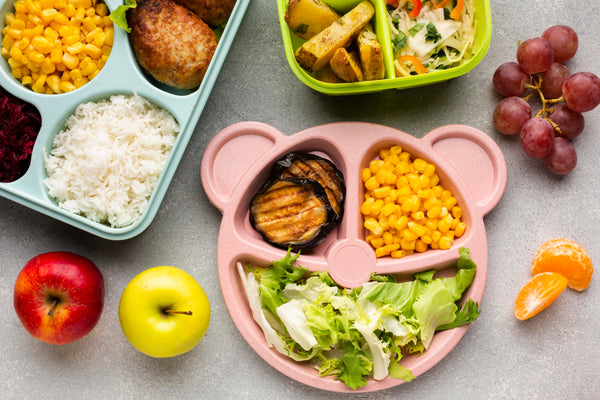
Creating “brain plates” isn’t as complicated as it sounds. Here’s how to integrate multiple brain boosting foods into everyday meals:
1. Oats + Nuts + Yogurt + Berries
→ A supercharged breakfast bowl
2. Egg Omelette + Spinach + Cheese
→ Focus-enhancing lunch
3. Salmon + Brown Rice + Leafy Greens
→ Omega-3 high DHA dinner
4. Smoothies with Nutrition Powder
→ Add nuts, seeds, berries, and DHA-rich powders
5. Roti Dough Mixed with Moringa + Seeds
→ Iron + omega-3 combo for daily meals
6. Rice Bowls With Fish + Veggies
→ Balanced macro + micro nutrition
Other Brain Development Essentials
Nutrition is essential, but brain health is holistic. Along with the right child brain development food, kids need supportive daily habits that strengthen memory, focus, emotional balance, and learning ability.
-
Screen-free time before bed: Helps the brain unwind, reduces overstimulation, and improves melatonin production for deeper sleep.
-
Outdoor play every day: Boosts creativity, motor skills, problem-solving, and emotional regulation, benefits kids don’t get from screens.
-
Reading as a daily ritual: Enhances imagination, strengthens vocabulary, and improves long-term learning and communication skills.
-
Consistent sleep routine (8–10 hours): Sleep is when the brain consolidates memories and repairs neural pathways. Kids with proper sleep show better attention and behavior.
-
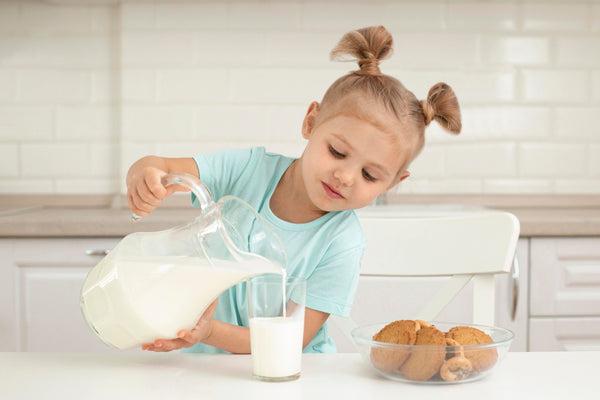
Hydration: Even mild dehydration affects mood, concentration, and energy. Kids often confuse thirst for irritability or fatigue.
Even with a balanced diet, many children may still fall short on essential nutrients because of picky eating, busy mornings, or inconsistent meals. This is where a high-quality, low-sugar nutrition mix can be a smart addition.
Look for a kid-specific mix that provides:
-
Omega-3 DHA for memory and focus
-
Vitamin B complex for nerve and brain function
-
Iron and folate to support cognition
-
Protein and essential amino acids for brain growth
-
Antioxidants to reduce screen-related oxidative stress
-
Minimal or zero added sugar to avoid energy crashes and hyperactivity
You can add it to milk, smoothies, porridge, or breakfast bowls to make their everyday meals richer and more brain-friendly, without relying on sugary health drinks.
Nourishing the Brain for a Smarter Tomorrow
Kids today face modern challenges: excessive screen exposure, fast information cycles, and reduced physical activity. But with the right brain food for kids, parents can support focus, memory, learning, and behavior naturally.
Start small, keep it consistent, and include as many best foods for brain health as possible in daily meals. Your child’s brain is growing rapidly and every nutrient counts.
FAQs
1. What are the best brain-boosting foods for kids?
Foods rich in omega-3s, protein, antioxidants, iron, and B vitamins, such as eggs, fatty fish, nuts, seeds, berries, leafy greens, and whole grains, are considered the best brain-boosting foods for kids.
2. How does screen time affect brain development in children?
Excessive screen time can impact focus, memory, sleep quality, emotional regulation, and language development. Pairing healthy screen habits with nutrient-rich brain food for kids can support better cognitive balance.
3. What is the best nutrition mix for children’s brain development?
A good nutrition mix should contain DHA, choline, protein, vitamin B complex, iron, folate, antioxidants, and minimal sugar.
4. Which vitamins are most important for child brain development?
Vitamin B complex, Vitamin D, Vitamin E, Omega-3 DHA, iron, and folate are vital for memory, focus, learning ability, and overall brain development in kids.
5. How can I get my picky eater to consume more brain-boosting foods?
Sneak nutrients into everyday meals: add spinach to dosas, mix nuts into porridge, use berries in smoothies, and blend a nutrition powder into milk or shakes to increase nutrient intake effortlessly.
6. Are nutrition powders safe for kids?
Yes, when chosen carefully. Look for clean, low-sugar nutrition powders with natural ingredients, DHA, essential vitamins, protein, and minerals. Always check age suitability and serving instructions.
7. How can I support my child’s brain development daily?
Give balanced meals rich in brain development foods, limit screen time, encourage outdoor play, ensure 8–10 hours of sleep, keep them hydrated, and include a high-quality nutrition mix to fill nutritional gaps.

Recommended Products
 Kids Superfuel | Creamy Vanilla | Nutrition Mix
₹759 – ₹1,518
Kids Superfuel | Creamy Vanilla | Nutrition Mix
₹759 – ₹1,518
 Kids Superfuel | Milk Chocolate | Nutrition Mix
₹759 – ₹1,518
Kids Superfuel | Milk Chocolate | Nutrition Mix
₹759 – ₹1,518