


Ask any parent what feels harder to manage than main meals, and the answer is almost always snacks. Breakfast and dinner have a routine. Snacks sneak in between school, play, homework, and screen time, often becoming an afterthought. Yet this is exactly where kids nutrition can either quietly improve or slowly derail.
Snacks are not just fillers. They influence energy levels, immunity, appetite at meals, and even mood. The right kids nutrition snacks keep blood sugar stable, reduce cravings for ultra-processed foods, and contribute meaningfully to daily nutrient intake. Poor snack choices, on the other hand, often explain why a child feels tired by evening or constantly reaches for sweets.
Good nutrition for kids does not mean eliminating snacks. It means choosing snacks that work with the body rather than against it. This guide focuses on snack options that are nutrient-dense, easy to prepare, familiar in flavour, and realistic for Indian households, while still being foods children genuinely enjoy.
What Makes a Healthy Snack for Kids?

A healthy snack should feel satisfying without spoiling the next meal. From a nutrition standpoint, the best snacks usually combine at least two of the following:
-
Protein for growth and sustained energy
-
Fibre for digestion and fullness
-
Healthy fats for brain development
-
Micronutrients that support immunity
These small but regular inputs form an important part of nutrition for kids, especially during long gaps between meals or high-activity days.
1. Fruit With Nut Butter Or Seed Paste

Fruits provide hydration, vitamin C, antioxidants, and natural sweetness. Nut butters and seed pastes add protein, zinc, magnesium, and healthy fats that support immunity and brain function.
Easy ways to serve
-
Apple or banana slices with peanut or almond butter
-
Guava wedges with sunflower seed paste
-
Papaya cubes with crushed nuts
Pro tip: Rotate fruits through the week to naturally cover a wider range of nutrition vitamins for kids. Fruit alone digests quickly. Pair it with nuts or seeds, and it becomes a balanced snack that keeps children fuller for longer.
2. Roasted Makhana Trail Mix

Makhana is light, mineral-rich, and easy to digest. When combined with nuts and seeds, it delivers steady energy without heaviness.
How to prepare
-
Dry roast makhana in ghee
-
Add crushed almonds, pumpkin seeds, and a pinch of turmeric
-
Season lightly with cumin or pepper
Pro tip: This snack travels well and makes an excellent school tiffin option. This snack works particularly well for children who prefer crunchy textures.
3. Vegetable Cheela Rolls

Cheelas provide protein and iron, while vegetables add fibre and micronutrients. Rolling them makes the snack visually appealing and easy to eat.
How to serve
-
Prepare besan or moong dal cheelas
-
Add grated carrot, spinach, or bottle gourd
-
Roll with paneer or a curd-based spread
Pro tip: Adding lemon or curd improves iron absorption from plant foods. This is one of the easiest ways to include vegetables without resistance.
4. Boiled Eggs Or Paneer Cubes With Light Seasoning

Protein-rich snacks support muscle development, immune cell production, and help manage evening hunger.
Easy ways to serve
-
Boiled egg halves with mild spices
-
Paneer cubes tossed with pepper and herbs
Pro tip: Protein snacks are especially useful before sports or outdoor play.
5. Smoothies And Shakes Done Right

A balanced healthy kids nutrition shake includes protein, fibre, and natural sweetness, not just fruit.
How to build it
-
Milk or curd as the base
-
One fruit for flavour
-
Nuts, seeds, or oats for fibre
-
Optional dates for sweetness
This approach works as a homemade alternative to packaged Kids Nutrition Drinks or nutrition drinks for kids, while keeping ingredient control in your hands. Smoothies can be powerful or pointless, depending on how they are built.
6. Oats And Date Ladoos

Oats provide slow-release energy, while dates offer natural sweetness and minerals without refined sugar.
How to prepare
-
Dry roast oats and grind coarsely
-
Blend with dates, ghee, and crushed nuts
-
Shape into small ladoos
Pro tip: Keep portion sizes small. One or two ladoos are enough.
7. Chocolate Superfuel Smoothie Bowl

Familiar chocolate flavour combined with a nutrient-dense base makes this snack both appealing and functional. This snack is particularly effective for children who resist “healthy” foods.
Ingredients
-
Milk or plant milk
-
Banana
-
Peanut butter
-
Cocoa
-
Wellbeing Nutrition Kids Superfuel chocolate or vanilla powder
How to serve
-
Blend thick and serve as a bowl
-
Top with seeds or chopped fruit
Note: Wellbeing Nutrition Kids Superfuel is a Clean Label Certified kids nutrition powder formulated for children aged 7 years and above. It provides protein, vitamins, minerals, probiotics, and prebiotic fibre that complement everyday kids nutrition food when intake varies.
How Snacks Support Immunity And Energy
Balanced snacks help maintain stable blood sugar, which directly impacts energy, focus, and mood. They also support gut health, a key component of immune function. Over time, consistent snacking patterns strengthen nutrition for kids without creating dependence on sugar-heavy foods.
Some parents find it helpful to use a simple nutrition journal for kids, tracking snack choices or food groups consumed through the week. This makes gaps visible without pressure.
Final Thoughts On Smart Snacking
Healthy snacking is not about strict rules. It is about rhythm and repetition. When children regularly receive nutrient-dense snacks, their energy becomes steadier, immunity improves, and mealtimes become easier. Thoughtful kids nutrition snacks, occasional nutrition drinks for kids, and whole foods working together build a strong nutritional foundation that supports growth well beyond childhood.
FAQs
1. What is the best nutrition for children?
The best nutrition for children includes balanced meals, nutrient-dense snacks, adequate protein, healthy fats, fruits, vegetables, and essential micronutrients. Consistency matters more than perfection.
2. What are the nutritional needs for kids?
Children need energy from complex carbohydrates, protein for growth, healthy fats for brain development, and vitamins and minerals like calcium, iron, vitamin D, and zinc for immunity and overall health.
3. What are nutrients for kids commonly lacking?
Vitamin D, iron, omega 3 fats, fibre, and sometimes protein are commonly low, especially in picky eaters or children with irregular eating routines.
4. What is the healthiest fruit to eat every day?
There is no single healthiest fruit. Rotating fruits ensures a broader intake of antioxidants, fibre, and nutrition vitamins for kids.
5. Are nutrition drinks good for kids?
Nutrition drinks for kids can be helpful when used as a supplement alongside meals, especially on days when food intake is inconsistent. They should not replace whole foods.
6. What is the most healthy drink for kids?
Water remains essential. Milk, homemade smoothies, and balanced healthy kids nutrition shake options provide additional protein and micronutrients when needed.
7. What is the best growth drink for kids?
Growth depends on overall diet quality rather than one drink. Options that provide protein, calcium, vitamin D, and essential micronutrients can support growth when used appropriately.
8. What is the 5 2 1 0 rule for kids?
It encourages 5 servings of fruits and vegetables daily, 2 hours or less of recreational screen time, 1 hour of physical activity, and 0 sugary drinks.
9. Which is the best nutrition for kids?
The best approach combines whole foods, balanced kids nutrition snacks, regular meals, and targeted supplementation when required.
10. How can parents track kids nutrition consistently?
A simple nutrition journal for kids, such as tracking food groups or colours eaten, helps identify patterns and gaps without creating pressure around food.

Recommended Products
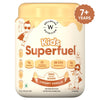 Kids Superfuel | Creamy Vanilla | Nutrition Mix
₹807 – ₹1,613
Kids Superfuel | Creamy Vanilla | Nutrition Mix
₹807 – ₹1,613
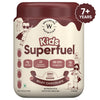 Kids Superfuel | Milk Chocolate | Nutrition Mix
₹807 – ₹1,613
Kids Superfuel | Milk Chocolate | Nutrition Mix
₹807 – ₹1,613


