


As parents, we know that nutrition for kids matters, but knowing and doing are two very different things. One week your child loves vegetables, the next week they survive on toast and tantrums. Add school schedules, screen time, peer influence, and picky eating into the mix, and it becomes almost impossible to understand what your child is really getting nutritionally.
This is where a nutrition journal for kids becomes more than a notebook, it becomes a powerful parenting tool. Not for calorie counting or food policing, but for building awareness, consistency, and lifelong healthy habits.
Let’s break down how a nutrition journal works and why science supports it.
Why Tracking Nutrition in Kids Is Important

Modern childhood looks very different from how we grew up. Even kids who appear “well-fed” may still be undernourished at a micronutrient level.
Here’s why:
-
Diets are increasingly calorie-dense but nutrient-poor
-
Ultra-processed food for kids crowds out whole foods
-
Growth spurts raise nutrient needs unpredictably
-
Stress, infections, and screen time increase nutrient depletion
Research consistently shows that early dietary patterns shape metabolism, immunity, gut health, and even cognitive performance well into adulthood. That makes good nutrition for kids not a short-term goal, but a long-term investment.
A nutrition journal helps bridge the gap between intention and reality.
What Is a Nutrition Journal for Kids?
A nutrition journal for kids is a simple, age-appropriate way to record:
-
Daily Meals and Snacks

What to Track:
-
Breakfast, lunch, dinner, and between-meal snacks
-
Presence of protein, fruits/vegetables, and whole foods
-
Any nutrition drinks for kids or kids nutrition powder used
No weighing. No calorie math. Simply note what was eaten and roughly when. A quick tick for protein, fruits, and veggies is enough. The goal isn’t perfection, it’s visibility.
Why It Matters
Children’s bodies need steady fuel for growth, brain development, and immunity. Skipped meals or carb-heavy days often show up later as low energy, irritability, or poor focus. Tracking daily food patterns helps parents identify gaps in nutrition food for kids and understand whether meals are truly supporting good nutrition, not just filling stomachs (NIH).
-
Water Intake

What to Track
-
Number of glasses or bottles consumed
-
Signs of dehydration: headaches, fatigue, constipation
Use simple checkboxes, no millilitres required. One tick per glass or refill keeps it easy and kid-friendly.
Why It Matters
Hydration directly impacts digestion, circulation, focus, and nutrient absorption. Even the best nutrition for kids can fall short if the body lacks water to transport nutrients efficiently. Many energy dips blamed on food are actually hydration gaps (NIH).
-
Energy Levels and Mood

What to Track
-
Morning energy
-
Post-school fatigue or crashes
-
Mood shifts (calm, irritable, anxious)
Use a simple scale or emojis. Encourage kids to participate by asking how their body felt, not how their day “went.”
Why It Matters
Energy and mood are early indicators of nutritional sufficiency. Frequent crashes, irritability, or poor concentration often signal gaps in iron, B vitamins, magnesium, or omega-3s. Tracking patterns helps parents distinguish behavioural phases from genuine nutritional needs (NIH).
-
Digestion
What to Track
-
Appetite level (low, normal, high)
-
Digestive comfort after meals
-
Stool regularity
Short notes or symbols work best. No detail is too small, patterns matter more than precision.
Why It Matters
Nutrition only works if digestion works. Poor gut function limits nutrient absorption, no matter how balanced the diet or how good the nutrition drinks for kids are. Digestive signals often explain why children feel tired, bloated, or frequently unwell despite eating “well.” (NIH)
-
Sleep Quality and Activity

What to Track
-
Bedtime and wake-up time
-
Sleep quality (restful vs restless)
-
Daily movement or outdoor play
Log bedtime, wake time, and a simple sleep rating. For activity, a yes/no checkbox for outdoor play or movement is enough.
Why It Matters
Sleep is when growth hormone is released, immunity is strengthened, and the brain consolidates learning. Physical activity improves insulin sensitivity and nutrient utilisation. Without adequate sleep and movement, even the best nutrition food for kids can’t deliver full benefits (NIH).
For younger kids, this can be parent-led activity. For older kids, it becomes a shared or self-driven habit, often using stickers, colors, or emojis to make it fun.
The Hidden Gaps Parents Often Discover
When parents consistently track for even 7–10 days, patterns emerge:
-
Protein-heavy mornings = better focus
-
Missed micronutrients during busy weekdays
-
Vegetable intake drops outside home
-
Calcium, iron, zinc, or omega gaps
This is where food alone sometimes falls short, especially for picky eaters or growing kids. This is where a clean, science-backed kids nutrition powder can act as nutritional insurance. Wellbeing Nutrition’s Kids Superfuel is designed to complement, not replace real food.

-
9 g Milk Protein Isolate to support muscle growth, tissue repair, sustained energy and help meet a significant portion of daily protein needs during growth spurts.
-
100 mg Algal Omega-3 DHA, critical for brain development, neural connections, focus, memory, and eye health.
-
23 Vitamins & Minerals, a broad spectrum for supporting child’s growth and development.
-
Prebiotic Fiber + 2 B CFU Probiotics, nourishes beneficial gut bacteria and supports digestion, nutrient absorption, and natural immunity.
-
Digestive Enzymes help break down lactose, proteins, carbs, and plant compounds for smoother digestion and better nutrient utilisation.
-
Monk Fruit to avoids sugar spikes while keeping the taste enjoyable.
-
Clean Label Certified, free from artificial colours, flavours, preservatives, and unnecessary fillers.
For parents using a nutrition journal for kids, Kids Superfuel fits naturally into routines where food gaps are visible, especially on rushed school days.
Turning Journaling into a Habit Without Resistance
The success of a nutrition journal for kids doesn’t depend on perfection. It depends on consistency and consistency only happens when the process feels light, not like another task on an already full parenting plate.
The goal is insight over intensity.
-
Keep It Simple
Children and parents stick to habits that fit into real life. Journaling should take no more than 5 minutes a day. A few checkmarks, short notes, or emojis are enough to capture patterns. When tracking feels easy, it becomes sustainable and sustainability is what makes nutrition for kids actually work long-term.
-
Make Kids Part of the Process
When children participate, journaling stops feeling like monitoring and starts feeling like ownership. Let them choose stickers, colours, or mood emojis. Ask questions like, “How did your body feel today?” instead of “What did you eat?” This builds body awareness and a positive relationship with nutrition food for kids, without turning food into pressure.
-
Focus on Wins, Not Misses
One skipped vegetable or late bedtime doesn’t undo progress. The journal isn’t there to highlight failures, it’s there to reveal trends. Celebrate the days with good hydration, better sleep, or balanced meals. Positive reinforcement is far more effective than correction when building good nutrition for kids.
-
Review Weekly, Not Daily
Daily entries are for observation. Weekly reviews are for understanding. Looking at the journal once a week helps parents spot patterns, energy dips, digestion issues, or immunity gaps without overreacting to a single off day. This big-picture view leads to calmer, smarter nutrition decisions.
-
Pair Journaling with Sunday Meal Planning
This is where journaling becomes powerful. Use weekly insights to plan the upcoming meals and snacks. Low protein last week? Add better breakfasts. Poor energy? Review sleep and hydration. This creates a natural feedback loop between observation and action, making nutrition for kids intentional, not reactive.
Final Takeaway
A nutrition journal for kids is one of the simplest yet most powerful tools parents can use to support long-term health. It transforms confusion into clarity and intention into action.
When combined with real food, mindful routines, and smart support, it helps ensure your child doesn’t just eat enough but eats well.
Because the goal isn’t just feeding kids today. It’s fueling the adults they’ll become tomorrow.
FAQs
1. What is a nutrition journal for kids and why is it important?
A nutrition journal for kids helps parents track meals, hydration, energy, digestion, sleep, and daily habits. It provides clarity on whether a child’s diet is truly supporting growth, immunity, focus, and overall health, beyond just calories or meal size.
2. How does a nutrition journal help improve nutrition for kids?
By tracking food and daily habits together, a nutrition journal reveals patterns such as skipped meals, low protein intake, hydration gaps, or poor sleep. This helps parents make informed changes that support nutrition for kids consistently, not reactively.
3. What should parents track in a kids nutrition journal?
Parents should track daily meals and snacks, water intake, energy levels and mood, digestion, sleep quality, and physical activity. These factors directly influence how well nutritious food is absorbed and used by the body.
4. How long should parents track nutrition to see patterns?
Most parents start noticing clear patterns within 7–10 days of consistent journaling. This short window is often enough to spot gaps in protein, micronutrients, hydration, or habits that affect nutrition for kids.
5. Can a nutrition journal help with picky eaters?
Yes. A nutrition journal helps parents see what picky eaters consistently miss such as protein, vegetables, or key nutrients, without pressure or food battles. It shifts the focus from forcing foods to supporting overall nutrition for kids more strategically.
6. Are nutrition drinks or kids nutrition powder necessary if my child eats well?
Even children who eat “well” can miss essential nutrients during growth spurts, busy school days, or picky phases. A clean, science-backed kids nutrition powder can help fill these gaps when a nutrition journal shows food alone isn’t meeting daily needs.
7. How can parents make a nutrition journal a daily habit without stress?
Keep journaling simple, involve kids with stickers or emojis, focus on weekly patterns instead of daily perfection, and pair journaling with meal planning. This makes nutrition for kids consistent, sustainable, and stress-free.

Recommended Products
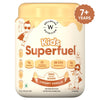 Kids Superfuel | Creamy Vanilla | Nutrition Mix
₹807 – ₹1,613
Kids Superfuel | Creamy Vanilla | Nutrition Mix
₹807 – ₹1,613
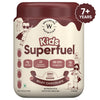 Kids Superfuel | Milk Chocolate | Nutrition Mix
₹807 – ₹1,613
Kids Superfuel | Milk Chocolate | Nutrition Mix
₹807 – ₹1,613


