Youthful, resilient skin isn’t just about what you see in the mirror; it’s the architecture beneath the surface. Two essential proteins, collagen and elastin, form this invisible framework. Collagen provides structure and firmness, while elastin delivers stretch and bounce. Both are vital, yet collagen often emerges as the cornerstone of age-resilient skin. Understanding how these proteins function, and how to protect them, is key to maintaining long-term skin health.
Collagen: The Body’s Structural Backbone

Collagen is the most abundant protein in the human body, accounting for nearly 75% of skin’s dry weight. It forms the scaffolding that keeps skin firm and smooth, while also supporting bones, tendons, joints, and connective tissues. Levels naturally begin to decline in the mid-20s, and lifestyle factors such as sun exposure, high sugar intake, stress, and smoking accelerate this breakdown. The result is thinner skin, fine lines, wrinkles, and reduced firmness.
The encouraging news is that collagen is one of the few skin proteins where supplementation shows measurable benefits. A systematic review and meta-analysis of randomized controlled trials, including over 1,100 participants, found that hydrolyzed collagen peptides significantly improved skin hydration, elasticity, and wrinkle appearance after 90 days (NIH).
Studies also highlight the benefits of marine collagen, vegan collagen, and collagen powder. Low molecular weight and marine collagen peptides, in particular, enhance skin hydration and density within 6 to 12 weeks (NIH). Beyond the skin, collagen supports joint and bone health, emphasizing its role as a foundational protein in overall wellness (NIH).
Elastin: The Skin’s Natural Spring

While collagen builds the framework, elastin provides flexibility. This fibrous protein allows skin to stretch and snap back, arteries to expand with each heartbeat, and lungs to contract during breathing. Elastin fibers are incredibly durable, with some lasting over 70 years, but this longevity also makes them susceptible to cumulative damage.
Sun exposure and environmental stress gradually disrupt elastin’s structure, contributing to sagging and loss of resilience (NIH).
Advanced imaging shows that aging reduces elastin fiber density and connectivity, while UV exposure produces dysfunctional clumps of elastin (known as solar elastosis) that no longer provide elasticity (NIH).
Early research suggests that topical elastin-like recombinant peptides may help restore some elasticity and reduce wrinkles within four weeks (NIH). However, unlike collagen, oral or dietary supplementation for elastin remains limited, making lifestyle and topical strategies the primary tools for support.
Collagen vs Elastin: Similar But Not The Same
Though they often work in tandem, collagen and elastin have very different functions:
|
Aspect |
Collagen |
Elastin |
|
Role |
Strength, structure, firmness |
Stretch, flexibility, resilience |
|
Abundance |
~75% of skin’s dry weight |
Far less abundant |
|
Turnover |
Gradually declines, can be replenished with support |
Minimal regeneration once damaged |
|
Aging Impact |
Wrinkles, thinning, stiffness |
Sagging, loss of bounce, disorganized fibers |
|
Intervention |
Backed by multiple clinical trials for oral support |
Limited evidence; topical innovations emerging |
Collagen provides the foundation for elastin. Without structural support, elasticity alone cannot maintain youthful skin.
Aging and Lifestyle: The Hidden Erosion of Proteins
Natural aging:
Dermal collagen decreases by approximately 1% per year after age 25, while elastin fibers become fragmented and less functional, contributing to fine lines, sagging, and loss of firmness (NIH).
UV exposure:
Accelerates collagen breakdown and triggers abnormal elastin deposits (NIH).. Sun protection is essential to prevent premature photoaging.
Diet and sugar:
High sugar intake leads to glycation, which stiffens collagen fibers and impairs their repair. This not only affects skin structure but also impacts metabolic health.
Smoking and stress:
Both reduce blood flow and hinder collagen synthesis, accelerating visible signs of aging.
Supporting Collagen and Elastin Naturally
Nutrition:

Protein-rich foods supply amino acids such as glycine and proline, which are building blocks of collagen. Vitamin C is essential for collagen synthesis, while antioxidants from fruits and vegetables protect against free radical damage. Clinical evidence consistently shows that collagen peptides, including marine collagen, vegan collagen, and collagen powder, improve skin hydration, elasticity, and texture (NIH).
Skincare:

Topical strategies complement dietary support. Sunscreen protects existing collagen and elastin from UV damage, while vitamin C and retinoids stimulate collagen production. Supplementing with collagen powder, or marine collagen, can reinforce the body’s natural collagen levels, supporting both skin elasticity and long-term resilience (NIH).
Lifestyle Choices:

Small changes make a big difference. Reducing sugar intake, quitting smoking, managing stress, and ensuring restorative sleep preserve both collagen and elastin. Daily sun protection is critical, as UV damage is a leading cause of structural protein degradation.
Emerging Approaches and Supplement Support:
Research into elastin-like peptides is gaining momentum, though oral supplementation for elastin is not yet clinically validated. Topical formulations may help support elasticity, but lifestyle measures and consistent sun protection remain the most reliable ways to preserve elastin (NIH).
For collagen, however, supplementation is well-supported. Products like marine collagen, vegan collagen, and collagen powder provide bioavailable peptides that can enhance skin hydration, firmness, and elasticity. Clinical studies show that regular intake of these supplements improves skin texture and reduces the appearance of fine lines within weeks (NIH).
Many modern skin supplements combine collagen peptides with antioxidants, vitamins, and minerals that further support skin structure and overall dermal health. By supplying the body with the amino acids necessary for protein synthesis, these supplements help maintain the scaffold on which elastin fibers rely.
While elastin supplementation is still emerging, pairing it with collagen-rich supplements provides a practical strategy: collagen strengthens the framework, allowing existing elastin to function optimally. In combination with a nutrient-rich diet, sun protection, and healthy lifestyle habits, this approach maximizes the skin’s resilience and youthful appearance.
The Bottom Line
Together, collagen and elastin shape the skin’s strength, structure, and bounce. Collagen stands out as the foundational protein: abundant, vital, and responsive to both dietary and supplemental support. Clinical research demonstrates that marine collagen, vegan collagen, collagen peptides, and collagen powder improve hydration, elasticity, and wrinkle appearance, making them a practical tool for long-term skin resilience (NIH)
Elastin, while equally important, is more difficult to restore once damaged. Protecting elastin depends on sun protection, lifestyle choices, and emerging topical innovations. But without collagen providing the structural framework, elastin cannot function optimally.
For anyone investing in skin health, focusing on collagen is a practical first step. It lays the foundation for elastin to perform, creating a framework where elasticity, resilience, and youthful texture can thrive.

Recommended Products
 Pure Korean Marine Collagen Peptides | Unflavored | Combat Signs of Ageing
₹1,745 – ₹6,476
Pure Korean Marine Collagen Peptides | Unflavored | Combat Signs of Ageing
₹1,745 – ₹6,476
 Korean Marine Collagen - Blueberry Mint
₹1,018 – ₹1,993
Korean Marine Collagen - Blueberry Mint
₹1,018 – ₹1,993
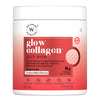 Glow Korean Marine Collagen Peptides with Liposomal Glutathione & Vitamin C | Tropical Bliss Flavour | 250g
₹1,939 – ₹7,196
Glow Korean Marine Collagen Peptides with Liposomal Glutathione & Vitamin C | Tropical Bliss Flavour | 250g
₹1,939 – ₹7,196
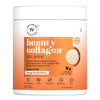 Beauty Korean Marine Collagen Peptides Mango Peach Flavour
₹1,939 – ₹7,196
Beauty Korean Marine Collagen Peptides Mango Peach Flavour
₹1,939 – ₹7,196
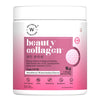 Beauty Collagen Strawberry Watermelon Flavour
₹1,939 – ₹7,196
Beauty Collagen Strawberry Watermelon Flavour
₹1,939 – ₹7,196
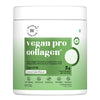 Vegan Pro Collagen Lemon Lime
₹1,745 – ₹3,418
Vegan Pro Collagen Lemon Lime
₹1,745 – ₹3,418
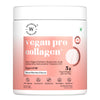 Vegan Pro Collagen Mixed Berries
₹1,745 – ₹3,418
Vegan Pro Collagen Mixed Berries
₹1,745 – ₹3,418