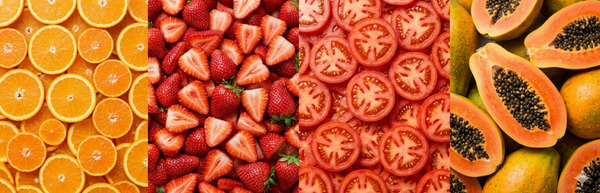
Collagen is the most abundant protein in our body, acting as the structural foundation for skin, bones, muscles, and connective tissues. As we age, our body’s natural collagen production naturally slows down, leading to visible signs like wrinkles, sagging skin, and joint discomfort.
But here’s the good news: Certain foods can help your body replenish and stimulate its natural collagen production. With the right nutrients, you can support your skin’s elasticity, improve joint health, and maintain a youthful glow without overly relying on external treatments.
Let’s explore 5 powerful foods that support natural collagen synthesis naturally.
1. Citrus Fruits

Vitamin C plays a pivotal role in collagen synthesis.[NIH] Without it, the body simply cannot produce collagen efficiently. Citrus fruits like oranges, lemons, limes, and grapefruits are packed with this essential nutrient.
Vitamin C helps convert proline (an amino acid) into hydroxyproline, a key component of stable collagen structures. It also acts as an antioxidant, shielding your skin from free radical damage that accelerates collagen breakdown.
Incorporate this: Start your day with a glass of warm lemon water or add orange slices to your salads and smoothies.
2. Nuts and Seeds

Walnuts, almonds, flaxseeds, and chia seeds are full of skin-nourishing fats, including omega-3 fatty acids and vitamin E. These nutrients protect your skin from inflammation and oxidative stress, both of which accelerate collagen loss.[NIH]
Seeds like pumpkin and sunflower also contain zinc, another trace mineral essential for natural collagen production and wound healing.
Incorporate this: Add a sprinkle of mixed seeds to your yogurt bowl or snack on a handful of roasted nuts in the afternoon.
3. Berries

Blueberries, strawberries, raspberries, and blackberries are collagen-supporting powerhouses. They are not only rich in vitamin C but also packed with antioxidants that protect existing collagen from oxidative stress. [NIH]
What sets berries apart is their high anthocyanin content, a plant compound that stabilizes collagen and prevents its degradation. Anthocyanins also support microcirculation, which helps nutrients reach your skin and joints more effectively.
Incorporate this: Enjoy a handful of mixed berries as a mid-day snack or blend them into a morning smoothie.
4. Eggs

Eggs, particularly the whites and yolks, provide proline and glycine, amino acids that are foundational to collagen production.[NIH] The yolk also offers fat-soluble vitamins like vitamin A and biotin, which help maintain skin health and hydration.
While eggs don’t contain collagen themselves, their nutrient profile strongly supports the body’s internal natural collagen-building processes.
Incorporate this: Soft-boiled or poached eggs retain more nutrients. Pair with greens or avocado for a wholesome, skin-friendly breakfast.
5. Leafy Greens
Think spinach, kale, Swiss chard, and moringa. These greens are high in chlorophyll, a pigment that gives them their vibrant color and has been shown to increase the precursor to collagen in the skin. [NIH]
Additionally, leafy greens contain antioxidants, magnesium, and vitamin C, all crucial nutrients for protecting and supporting the natural collagen matrix.
Incorporate this: Add greens to soups, curries, or blend into green smoothies with lemon and cucumber for a refreshing detoxifying drink.
Lifestyle Habits That Support Collagen Naturally
While nutrition is foundational, collagen health is also deeply influenced by your daily habits. Here are some easy lifestyle changes to adopt:
-
Stay Hydrated: Collagen thrives in a hydrated environment. Aim for 8–10 glasses of water a day.
-
Limit Sugar & Processed Foods: Excess sugar interferes with collagen repair, leading to stiffened and weakened fibers.
-
Prioritize Sleep: Deep sleep activates repair pathways that support collagen regeneration.
-
Wear Sunscreen Daily: UV exposure is one of the biggest culprits in collagen degradation. Broad-spectrum SPF is non-negotiable.
-
Manage Stress: Chronic stress increases cortisol, which can degrade collagen over time. Mindful practices like meditation and deep breathing help.
-
Exercise Regularly: Movement stimulates blood circulation, bringing nutrients to the skin and promoting collagen renewal.
When Food Isn’t Enough
For many, diet alone may not be sufficient to maintain optimal collagen levels, especially as you age or deal with stress, sun exposure, or lifestyle-related depletion. This is where premium collagen supplements can offer real support.
1. Marine Collagen
If you're looking for clean, high-absorption collagen, Korean Marine Collagen Peptides are a great choice. Sourced from wild-caught deep-sea fish, this Type I collagen is particularly beneficial for skin elasticity, hydration, and firmness.
Want added skin benefits? Explore:
-
Glow Collagen – fortified with hyaluronic acid, biotin, and antioxidants for a radiant glow.
-
Beauty Collagen – includes added botanicals and skin vitamins for firm, nourished skin.
2. Vegan Collagen Builder
For those who prefer plant-based alternatives, Vegan Pro-Collagen is formulated using clinically studied ingredients like plant-based amino acids, silica, biotin, and antioxidants that mimic the body’s natural collagen production process—minus the animal sources.
Final Thought
True skin health goes deeper than surface care. It's about nourishing your body, staying consistent with healthy habits, and supporting your system as it evolves. By combining foods for collagen-boosting, mindful routines, and high-quality supplements, you give your body the resources it needs to age with grace, strength, and radiance.

Recommended Products
 Beauty Collagen Strawberry Watermelon Flavour
₹1,939 – ₹7,196
Beauty Collagen Strawberry Watermelon Flavour
₹1,939 – ₹7,196
 Beauty Korean Marine Collagen Peptides Mango Peach Flavour
₹1,939 – ₹7,196
Beauty Korean Marine Collagen Peptides Mango Peach Flavour
₹1,939 – ₹7,196
 Glow Korean Marine Collagen Peptides with Liposomal Glutathione & Vitamin C | Tropical Bliss Flavour | 250g
₹1,939 – ₹7,196
Glow Korean Marine Collagen Peptides with Liposomal Glutathione & Vitamin C | Tropical Bliss Flavour | 250g
₹1,939 – ₹7,196
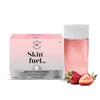 Glutathione Skin Fuel Pro+ Strawberry Flavour
₹1,044 – ₹5,803
Glutathione Skin Fuel Pro+ Strawberry Flavour
₹1,044 – ₹5,803
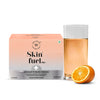 Glutathione Skin Fuel Pro+ Valencia Orange Flavour
₹879 – ₹5,275
Glutathione Skin Fuel Pro+ Valencia Orange Flavour
₹879 – ₹5,275
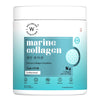 Pure Korean Marine Collagen Peptides | Unflavored | Combat Signs of Ageing
₹1,745 – ₹6,476
Pure Korean Marine Collagen Peptides | Unflavored | Combat Signs of Ageing
₹1,745 – ₹6,476
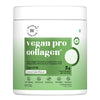 Vegan Pro Collagen Lemon Lime
₹1,745 – ₹3,418
Vegan Pro Collagen Lemon Lime
₹1,745 – ₹3,418
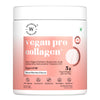 Vegan Pro Collagen Mixed Berries
₹1,745 – ₹3,418
Vegan Pro Collagen Mixed Berries
₹1,745 – ₹3,418