




Ever wonder why whey protein is the go-to choice for athletes aiming for peak performance? Whey protein has earned its reputation as a fast-digesting protein, playing a crucial role in muscle recovery and athletic performance. In this read, you will know how fast whey protein is digested, explore the science behind its absorption rate, and understand why it is essential for optimizing performance and recovery.
The Science Behind Whey Protein Absorption
What Makes Whey Protein Unique?
Whey protein is derived from milk and is known for its high-quality composition. Its designed to be rapidly broken down in the body, which makes it a fast-digesting protein. The term whey protein digestion rate refers to how quickly the protein is metabolized and its amino acids are made available to the muscles. This rapid digestion helps deliver essential building blocks to support muscle repair and growth.
Unlike some other proteins, whey protein powder contains all the essential amino acids required by the body. Its soluble nature aids in quick absorption through the digestive tract, which is a significant advantage for athletes who need prompt protein delivery after strenuous exercise.
How Fast is Whey Protein Digested?
The digestion of protein starts in the stomach, where enzymes begin breaking down the protein chains. As whey protein moves into the small intestine, enzymes continue this process, and amino acids are absorbed into the bloodstream. This mechanism, known as whey protein metabolism, ensures that the body gets the nutrients it needs rapidly.
This process highlights the importance of protein absorption for athletes as it provides the necessary resources for muscle repair right when it is needed most. The role of enzymes in facilitating amino acid absorption cannot be understated, as they work efficiently to deliver nutrients to the muscles.
Digestion Time for Whey Protein
Whey protein is known for its speed in digestion. Whey protein powder is typically digested within 1-2 hours, making it one of the fastest-absorbing protein sources available. This quick digestion means that athletes receive the benefits of a surge in amino acids nearly soon after ingestion, supporting rapid recovery.
When compared to other protein types such as casein, which is known for its slower, extended release of amino acids, whey protein stands out. Its speed is also in contrast with many plant-based proteins, which tend to digest more slowly. This characteristic is a key reason why many athletes rely on whey protein to meet their nutritional demands immediately post-workout.
Factors That Influence Digestion Speed
Several factors can influence how quickly whey protein is digested. Hydration is one such factor; drinking ample water helps facilitate enzyme activity and nutrient transport. Moreover, the composition of your meal can also play a role. Combining whey protein with carbohydrates, for instance, can slightly alter the rate of absorption, but this pairing can also enhance the overall effectiveness of nutrient uptake.
Exercise itself is known to boost digestion speed by increasing blood flow to the muscles and digestive tract. This interplay underscores the idea of optimal protein intake timing for muscle recovery and performance enhancement. Additionally, personal metabolism and overall diet can impact the rate of protein absorption, emphasizing the need for personalized nutrition strategies that focus on protein bioavailability for performance.
Benefits of Fast-Digesting Proteins for Athletes

Muscle Recovery and Growth
Fast-digesting proteins like whey play a pivotal role in muscle recovery. After a rigorous workout, muscles require a quick influx of amino acids to repair and rebuild damaged tissues. The rapid absorption of whey protein ensures that the body has immediate access to these crucial nutrients, which supports faster and more effective muscle recovery.
This dynamic is vital not only for muscle repair but also for overall muscle growth. The quick availability of protein from whey supplements helps stimulate protein synthesis, a process where new muscle fibers are formed. [NIH] For athletes and fitness enthusiasts striving for muscle gain and faster recovery, the fast digesting protein benefits of whey are hard to ignore.
Impact on Sports Performance
In the realm of sports performance, timing is critical. An efficient and brisk transfer of amino acids to the muscles following exercise can enhance physical performance in subsequent workouts or competitions. The quick digestion of whey protein assists in maintaining energy levels and muscle function. [NIH]This rapid supply of nutrients is essential for athletes who face repetitive bouts of physical stress.
With enhanced muscle recovery, athletes can train harder and more frequently. It is important to understand the impact of whey protein on sports performance, as a well-timed intake can make the difference between sluggish recovery and peak athletic performance. Incorporating whey into a well-balanced diet helps meet the nutritional requirements of high-performance sports.
Optimizing Protein Intake for Peak Performance
Timing and Dosage
For athletes, the saying protein timing for performance is more than just a trend; it is a scientifically backed approach to nutrition. The consensus among experts suggests consuming whey protein within 30 minutes post-workout to reap the full benefits of its fast absorption rate. This window is critical, as the body is primed for nutrient uptake immediately after exercise.
Adequate dosage is equally important. Athletes should determine their protein needs based on their body weight, intensity of the exercise, and individual metabolism to optimize muscle recovery. This careful balance of timing and dosage helps maximize the benefits provided by whey protein, ensuring that the protein absorption for athletes is efficient and effective.
Combining Whey with Other Nutrients
Whey protein is most effective when it is part of a comprehensive nutrition strategy. Combining whey with carbohydrates can further enhance the rate of absorption, while the presence of other vital nutrients ensures a more sustained energy release. Such nutritional synergy can boost overall performance by providing a well-rounded nutrient profile.
The idea behind these combinations is to ensure that the rapid uptake of protein is complemented by an equally efficient energy supply. This integration of multiple nutrients not only helps in muscle repair but also supports sustained athletic performance. Athletes looking to leverage the advantages of whey protein should consider how best to integrate it with their overall diet, ensuring consistent delivery of nutritional support.
Pro Tip: Timing is Everything!
Did you know? Consuming whey protein within 30 minutes post-workout can significantly enhance muscle recovery and growth. This timing ensures optimal protein absorption for athletes, giving you the edge in performance.
Look for Enhanced Formulations
When choosing a supplement, go beyond just protein content, look for advanced formulations that combine science-backed ingredients to elevate absorption, performance and recovery.
For instance, some high-quality whey protein blends are enriched with probiotics to support gut health and digestion—ensuring that your body not only absorbs the protein efficiently but also feels good doing it. A healthy gut can make a huge difference in how your body responds to supplements, especially if you have sensitivities or digestion issues.
Another powerful add-on to look for is Velositol®, a patented complex of amylopectin and chromium that can amplify muscle protein synthesis by up to 2x when combined with whey protein. This means more efficient muscle growth, better recovery, and greater strength gains from every workout.
Conclusion

Recommended Products
 Whey Protein Concentrate 27g | 1kg | 4B CFU Probiotics | Unflavoured
₹2,849 – ₹5,398
Whey Protein Concentrate 27g | 1kg | 4B CFU Probiotics | Unflavoured
₹2,849 – ₹5,398
 Whey Protein Isolate + Concentrate 24g | 1kg | 4B CFU Probiotics | Mango Flavoured
₹3,799 – ₹7,198
Whey Protein Isolate + Concentrate 24g | 1kg | 4B CFU Probiotics | Mango Flavoured
₹3,799 – ₹7,198
 Whey Protein Isolate + Concentrate 24g | 1kg | 4B CFU Probiotics | Swiss Chocolate
₹3,799 – ₹7,198
Whey Protein Isolate + Concentrate 24g | 1kg | 4B CFU Probiotics | Swiss Chocolate
₹3,799 – ₹7,198
 Whey Protein Isolate + Concentrate 24g | 1kg| 4B CFU Probiotics | Cappuccino
₹3,799 – ₹7,198
Whey Protein Isolate + Concentrate 24g | 1kg| 4B CFU Probiotics | Cappuccino
₹3,799 – ₹7,198
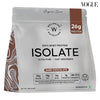 Whey Protein Isolate 26g | 1kg | 4B CFU Probiotics | Dark Chocolate
₹4,274 – ₹7,649
Whey Protein Isolate 26g | 1kg | 4B CFU Probiotics | Dark Chocolate
₹4,274 – ₹7,649
 Whey Protein Isolate 26g | 1kg | 4B CFU Probiotics | Bourbon Vanilla
₹4,274 – ₹8,098
Whey Protein Isolate 26g | 1kg | 4B CFU Probiotics | Bourbon Vanilla
₹4,274 – ₹8,098
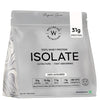 Whey Protein Isolate 31g | 1kg | 4B CFU Probiotics | Unflavoured
₹4,274 – ₹7,649
Whey Protein Isolate 31g | 1kg | 4B CFU Probiotics | Unflavoured
₹4,274 – ₹7,649
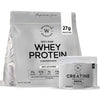 Whey Protein Concentrate Unflavored & Creatine Monohydrate Unflavored
₹3,193
Whey Protein Concentrate Unflavored & Creatine Monohydrate Unflavored
₹3,193
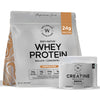 Whey Protein Isolate + Concentrate 24g | 1KG | 4B CFU Probiotics | Cappuccino & Creatine Monohydrate Unflavored
₹4,093
Whey Protein Isolate + Concentrate 24g | 1KG | 4B CFU Probiotics | Cappuccino & Creatine Monohydrate Unflavored
₹4,093










 DOWNLOAD NOW

