




You might have heard the popular fitness mantra: “Train on an empty stomach to burn more fat.” Maybe you’ve even tried it, waking up, skipping breakfast, taking a scoop of your favorite pre-workout supplement, and heading straight to the gym. The idea sounds efficient, especially for early risers who want to get a session in before the day begins.
This practice, often called fasted training, has gained attention among fitness enthusiasts who hope to enhance fat loss or improve workout performance. But pairing it with a pre-workout supplement brings up important questions. Is it actually effective? Is it safe? And most importantly, is it right for you?
Let’s take a closer look at how fasted workouts and pre-workout supplements interact, what benefits and risks they may bring, and how to approach them smartly.
What Is a Fasted Workout?
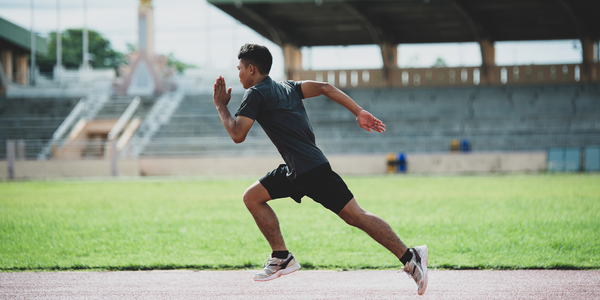
A fasted workout means exercising without eating beforehand, usually after an overnight fast. During this state, your body has lower levels of circulating glucose and insulin, which may shift the body’s energy reliance from carbohydrates to fat stores. Some research suggests this could increase fat oxidation during exercise.
However, this does not automatically mean better fat loss results. Your total caloric balance over time still plays the primary role in fat reduction. Fasted training may help with fat metabolism in certain contexts, but it is not a shortcut to weight loss.
Understanding Pre-Workout Supplements
Pre-workout supplements are taken before exercise to help improve energy, focus, endurance, and strength. They are available in the form of powders, capsules, or liquids and usually contain a mix of active ingredients that serve different functions.
Here are some of the most common pre-workout ingredients and their roles:
-
Caffeine: Stimulates the central nervous system, increasing alertness, focus, and reaction time
-
Creatine: Supports muscle strength and short bursts of power
-
Beta-alanine: Buffers lactic acid in muscles, delaying fatigue during high-intensity training
-
L-citrulline and L-arginine: Promote better blood flow by enhancing nitric oxide production
-
BCAAs (Branched Chain Amino Acids): May reduce post-exercise muscle soreness and muscle breakdown
When taken on an empty stomach, some of these ingredients may be absorbed faster, which can increase their effects, but may also raise the risk of side effects.
Potential Benefits of Pre-Workout Supplements During Fasted Training
Increased Energy and Mental Focus
The most immediate benefit of pre-workout supplements is a noticeable lift in energy and mental clarity. Caffeine, often the key stimulant in these products, can help sharpen focus and improve motivation, especially during early morning or late-night workouts. This is especially beneficial during early morning or late evening workouts when natural energy levels may be low. (NIH)
Improved Exercise Capacity and Endurance
Ingredients such as beta-alanine, creatine, and L-citrulline support physical performance in various ways. Creatine provides rapid energy for short bursts of strength. Beta-alanine helps delay muscle fatigue, and L-citrulline supports improved oxygen and nutrient delivery to muscles through enhanced blood flow. Together, they can support better performance, even when training in a fasted state. (NIH)
Potential Support for Fat Metabolism
Some pre-workouts contain ingredients like caffeine, green tea extract, or capsaicin, which may help increase thermogenesis and fat oxidation. In a fasted state, the body may rely more on stored fat for energy, so combining fasted training with thermogenic compounds could potentially enhance fat utilization. However, these effects are often modest and work best when paired with a consistent exercise program and a nutritious diet. (NIH)
Possible Risks and Side Effects
Digestive Discomfort
Certain pre-workout ingredients, such as beta-alanine, niacin, or creatine, can cause stomach upset, especially when taken without food. Symptoms may include nausea, bloating, or cramping. If you are new to either fasted training or pre-workout supplements, start with a lower dose to gauge your tolerance.
Low Blood Sugar (Hypoglycemia)
Without eating beforehand, your blood sugar levels may be lower than usual. Combined with an intense workout and a stimulant-based pre-workout, this can result in shakiness, fatigue, dizziness, or even fainting. People with blood sugar sensitivity should be particularly cautious.
Caffeine Sensitivity
Some individuals are more sensitive to caffeine and may experience jitters, anxiety, increased heart rate, or trouble concentrating. These effects can feel more pronounced when there is no food in the stomach to slow absorption. Choosing a supplement with moderate caffeine levels or a caffeine-free version can help reduce these effects.
Decreased Performance in High-Intensity or Strength Training
Empty stomach workouts may not be ideal for everyone, especially when the session involves heavy lifting or high-intensity intervals. Carbohydrates are the body’s preferred fuel source for intense activity, and without adequate glycogen, performance may suffer. If your goal is to build muscle or increase strength, pre-workout timing with a small meal beforehand might deliver better results.
Smart Tips for Using Pre-Workout on an Empty Stomach
If you want to try pre-workout supplements before fasted training, here are some strategies to help you do it safely and effectively:
Start with a Lower Dose
Begin with half or three-quarters of a scoop to see how your body responds. This helps you avoid overwhelming side effects and gives your body time to adapt.
Choose the Right Formula
Look for supplements that are designed for fast absorption and contain moderate levels of caffeine. Avoid products with too many stimulants or artificial additives that could irritate the stomach.
Prioritize Hydration
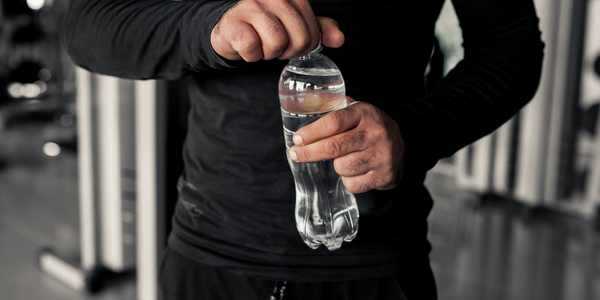
Drink water before and during your workout to support performance and help your body handle the stimulant effects. Dehydration can worsen side effects like headaches or fatigue.
Monitor Your Body’s Response
Everyone responds differently. If you feel lightheaded, nauseated, or excessively fatigued, consider switching to a low-calorie snack before your workout or adjusting the supplement dosage.
Conclusion: It Depends on You
Using pre-workout supplements on an empty stomach can work for some people, but it is not universally beneficial or safe. The effects depend on your individual tolerance, fitness goals, and current health status.
If your workouts are low to moderate in intensity and you tolerate caffeine well, this strategy may suit you. But if you are doing strength-based or high-intensity training, or if you have issues with low blood sugar or digestive sensitivity, a small pre-workout meal or different supplement timing might be more effective.
Consulting a healthcare professional or sports nutritionist can help you find the right approach for your body and your goals. Personalization and observation are key—listen to your body and adjust your strategy accordingly.

Recommended Products
 Burn Slow
₹1,329 – ₹2,518
Burn Slow
₹1,329 – ₹2,518
 Creatine Monohydrate + HCL | 100g | 300mg Taurine | Unflavoured
₹552 – ₹1,038
Creatine Monohydrate + HCL | 100g | 300mg Taurine | Unflavoured
₹552 – ₹1,038
 Creatine Monohydrate | 100g | 300mg Taurine | Unflavoured
₹384 – ₹769
Creatine Monohydrate | 100g | 300mg Taurine | Unflavoured
₹384 – ₹769
 Whey Protein Concentrate 27g | 1kg | 4B CFU Probiotics | Unflavoured
₹2,849 – ₹5,398
Whey Protein Concentrate 27g | 1kg | 4B CFU Probiotics | Unflavoured
₹2,849 – ₹5,398
 Whey Protein Isolate 26g | 1kg | 4B CFU Probiotics | Dark Chocolate
₹4,274 – ₹7,649
Whey Protein Isolate 26g | 1kg | 4B CFU Probiotics | Dark Chocolate
₹4,274 – ₹7,649
 Whey Protein Isolate + Concentrate 24g | 1kg | 4B CFU Probiotics | Swiss Chocolate
₹3,799 – ₹7,198
Whey Protein Isolate + Concentrate 24g | 1kg | 4B CFU Probiotics | Swiss Chocolate
₹3,799 – ₹7,198










 DOWNLOAD NOW

