You know that feeling.
You have answered the emails, finished the work, made the calls and technically done everything on your list. Yet your brain is still running like it has somewhere else to be.
Your shoulders are tense. Your jaw is clenched. You are checking your phone for no reason. And when someone says, “Just relax,” you want to throw your phone across the room.
That is stress.
A little stress is normal. It helps you respond to challenges. But when your body stays in that switched-on state for too long, it can affect sleep, digestion, headaches, mood and overall wellbeing. NCCIH
The good news?
Your body has a built-in way to come back down. It is called the relaxation response.
So the goal is not to eliminate stress. You cannot.
It is to get better at recovering from it.
Here are seven simple, research-backed habits that can help.
1. Slow your breathing before you try to fix your life
When you are stressed, your first instinct is often to do more.
Try doing the opposite.
Stop. Breathe. Then decide.
Slow breathing can influence the autonomic nervous system and increase markers associated with parasympathetic activity, which is linked to the body's calmer state. [NIH]

Do not force the breath or hold it if it feels uncomfortable.
This is one of the simplest answers to how to relieve stress quickly.
Not because your problems disappear.
Because you may feel better equipped to deal with them.
2. Move your body when your brain feels stuck
Exercise is not just about fitness.
It can be a useful way to interrupt stress.
And no, you do not need to destroy yourself at the gym.
Walk. Cycle. Swim. Stretch. Dance. Do yoga. Lift weights. Play a sport.
The best exercise to reduce stress is the one you actually enjoy enough to repeat.
Even a short walk can be a useful reset when you have been sitting at a desk for hours.
Try this:
Feeling overwhelmed? Walk for 10 to 20 minutes before opening another tab.
You may return with the same problem.
But hopefully, a little more space to think.
3. Give meditation five minutes
Meditation has survived every wellness trend for a reason.
It trains something modern life constantly hijacks:
Your attention.
A 2026 meta-analysis of randomized controlled trials found that mindfulness-based interventions were associated with lower perceived stress compared with control groups, although the studies varied considerably in their methods. [Nature]
You do not have to become a monk.
Start with five minutes.
Sit comfortably. Notice your breathing. Your mind wanders. Notice it. Bring your attention back.
That is the practice.
The wandering is not failure.
The returning is the practice.
4. Go outside and touch some grass
Here is a stress-relief technique that costs nothing:
Go outside.
Not for a meeting.
Not while answering emails.
Not while listening to a productivity podcast.
Just go.
You do not need a forest.
A park, garden, beach or tree-lined street works as a starting point.

Let your brain do something increasingly rare:
Nothing.
5. Eat for a calmer body, not just a healthier plate
There is no magical “anti-stress food.”
But your everyday diet can support your overall wellbeing.
Build meals around whole foods and include nutrients involved in normal nervous-system function.
Try adding:
Magnesium-rich foods: pumpkin seeds, almonds, spinach and legumes.
Omega-3 sources: fatty fish, walnuts, chia and flaxseeds.
Complex carbohydrates: oats, whole grains, beans and lentils.
Antioxidant-rich foods: berries, citrus fruits, leafy greens and colourful vegetables.
And do not underestimate a warm, satisfying meal.
Sometimes a bowl of dal with rice, vegetables and curd is a much better stress-management strategy than skipping dinner because you are “too busy.”
6. Protect your sleep like it is part of your stress plan
You can meditate.
You can exercise.
You can drink matcha.
But if you are consistently sleeping badly, your stress-management strategy is missing one of its biggest pieces.
Stress can interfere with sleep, while sleep loss can make emotional regulation and anxiety more difficult. A large systematic review and meta-analysis found that sleep loss was associated with poorer positive mood and increased anxiety symptoms. [NIH]
Try:
-
Keeping a consistent bedtime
-
Dimming lights in the evening
-
Putting work away before bed
-
Keeping your room cool and dark
-
Avoiding caffeine too late in the day
-
Creating a simple wind-down routine
Your evening should slowly tell your body:
The day is over.
7. Stop trying to outthink every stressful thought
Sometimes the stressful event is not the biggest problem.
It is everything your brain imagines might happen next.
“What if they hate my presentation?”
“What if I mess this up?”
“What if something goes wrong?”
Try separating what you know from what you are predicting.
What I know:
“My manager asked me to revise the presentation.”
What I am predicting:
“They think I am bad at my job.”
What I can do:
“Spend 30 minutes fixing the three slides that need work.”
It sounds simple.
That is the point.
You do not have to control every thought.
You just have to stop treating every thought like a fact.
What about magnesium and ashwagandha?
Supplements can fill nutritional gaps, but they should not become the main stress strategy.
Magnesium supplements: Some research suggests magnesium may help with subjective anxiety in certain people, but the evidence remains limited. Think of it as nutritional support, not a stress cure. PubMed
Ashwagandha: Some clinical trials suggest certain preparations may help with stress and sleep, but studies vary in dose and formulation, and long-term safety is still unclear. NCCIH
In other words:
Lifestyle first. Supplements where they make sense.
No capsule can compensate for sleeping four hours and living permanently inside your inbox.
Build a daily stress buffer
This may be the habit that ties everything together.
Do not wait until you are completely overwhelmed to think about how to reduce stress and anxiety.
Build small recovery moments into ordinary days.
A 15-minute walk after lunch.
Five minutes of slow breathing between meetings.
Dinner without your phone.
Ten minutes of stretching before bed.
A weekend morning outdoors.
Calling a friend instead of doom-scrolling.
These moments may look almost ridiculously small.
That is exactly why they are useful.
You are not trying to create a perfect wellness lifestyle.
You are giving your body regular opportunities to switch gears.
So, how do you actually relieve stress?
You do not need to become a different person.
You need a few habits that tell your body:
You are safe enough to slow down now.
Breathe slowly.
Move.
Get outside.
Eat properly.
Meditate.
Sleep.
Challenge the thought instead of automatically believing it.
And create small moments of recovery throughout your day.
The most effective methods to reduce stress are rarely the most dramatic.
They are the ones you can still do on a Tuesday when work is chaotic, your phone will not stop buzzing and you have absolutely no interest in meditating for 45 minutes.
That is the real answer to how to overcome stress.
Not eliminating stress.
Getting better at recovering from it.
Key Takeaways
-
You cannot eliminate stress, but you can get better at recovering from it.
-
Slow breathing, movement and mindfulness can help shift your body out of a high-alert state.
-
Food matters too. Build meals around protein, whole grains, legumes, colourful plants, healthy fats and magnesium-rich foods.
-
Sleep is not optional self-care. It is a major part of how your body handles stress.
-
Small habits beat dramatic resets. Five minutes of breathing, a short walk or a phone-free dinner can be easier to sustain than an elaborate wellness routine.
FAQs
1. How can I reduce stress naturally?
Start with simple daily habits: move regularly, sleep consistently, eat balanced meals, spend time outdoors, practice slow breathing and create small breaks between demanding tasks.
2. How can I relieve stress quickly?
Try slow breathing for two to five minutes. Gentle movement, stepping outside or taking a short walk can also help you create some distance from the stressful situation.
3. What are the best stress management techniques?
Breathing exercises, mindfulness, exercise, adequate sleep, time outdoors, social connection and cognitive strategies can all be useful tools for managing stress.
4. What exercise can reduce stress?
Walking, cycling, swimming, yoga, strength training and dancing can all fit into a stress-management routine. Choose something you enjoy and can repeat consistently.
5. How can I reduce stress and anxiety at night?
Create a predictable wind-down routine. Dim the lights, stop working, reduce stimulating activities, avoid caffeine late in the day and try gentle breathing or mindfulness before bed.
6. Can breathing exercises help with stress?
Yes. Research suggests slow breathing can influence autonomic nervous-system activity and increase markers associated with parasympathetic activity. PubMed
7. Can food help with stress?
A balanced diet cannot eliminate stress, but nutrients such as magnesium and omega-3 fatty acids are important for normal body and nervous-system function. Include foods such as leafy greens, legumes, nuts, seeds and fatty fish regularly.
8. Can magnesium supplements help with stress?
They may help some people, particularly with subjective anxiety, but current evidence is limited. Magnesium supplements should complement, not replace, healthy lifestyle habits.
9. Can ashwagandha help with stress?
Some studies suggest certain ashwagandha preparations may help with stress, but evidence varies between products and studies. Long-term safety is also not established. NCCIH
10. How do I deal with stress when I cannot change the situation?
Focus on what you can control: your breathing, actions, routines, boundaries and response. Separate what you know from what you are predicting, then choose one useful action you can take.

Recommended Products
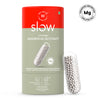 Liposomal Magnesium Glycinate (Chelated) | Pack of 60 Capsules
₹799 – ₹1,600
Liposomal Magnesium Glycinate (Chelated) | Pack of 60 Capsules
₹799 – ₹1,600
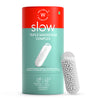 Triple Magnesium Complex
₹1,357 – ₹2,658
Triple Magnesium Complex
₹1,357 – ₹2,658
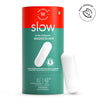 Ultra Strength Magnesium+
₹1,745 – ₹3,418
Ultra Strength Magnesium+
₹1,745 – ₹3,418
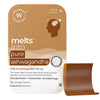 Pure Ashwagandha
₹649 – ₹1,298
Pure Ashwagandha
₹649 – ₹1,298