Your metabolism is doing far more than helping you burn calories.
It is the collection of processes that converts food into energy, maintains body temperature, supports movement, builds and repairs tissues, and keeps your organs functioning. Even while you are sleeping, your body is using energy to breathe, circulate blood and keep your brain working.
This is why a healthy metabolism is not necessarily a “fast” metabolism. The goal is to support your body's ability to use and store energy efficiently while maintaining muscle, stable energy and good metabolic health.
What affects your metabolism?
Your metabolic rate is influenced by several factors, including age, body size, muscle mass, genetics, physical activity and hormones. Some everyday habits also matter.
Muscle mass: Muscle requires energy to maintain, so having more lean mass generally means a higher resting energy expenditure.
Movement: Exercise matters, but so does everything you do outside the gym. Walking, climbing stairs and simply spending less time sitting can add up.
Protein intake: Protein requires more energy to digest and process than carbohydrates or fat. Including enough protein can therefore slightly increase diet-induced thermogenesis.
Sleep: Poor or insufficient sleep can affect appetite, insulin sensitivity and other processes involved in metabolic health.
Diet quality: A diet built around minimally processed foods, vegetables, whole grains, legumes, fruits, nuts, seeds and adequate protein provides the nutrients needed to support normal metabolic function.
So rather than looking for one diet to increase metabolism, the more useful approach is to build meals that consistently support these foundations.

7-Day Metabolism-Supporting Indian Diet Plan
The plan below provides approximately 1,700 to 1,900 calories per day, depending on portions and the options selected. Individual calorie and protein requirements vary, so use this as a practical template rather than a prescription.
|
Day |
Meal |
Vegetarian |
Non-vegetarian |
Vegan |
|
Day 1 |
Breakfast |
Vegetable poha + curd + fruit |
Vegetable poha + 2 eggs + fruit |
Vegetable poha + unsweetened soy yogurt |
|
|
Lunch |
2 whole-wheat rotis + dal + bhindi + salad |
2 whole-wheat rotis + chicken curry + bhindi + salad |
2 whole-wheat rotis + rajma + bhindi + salad |
|
|
Snack |
Greek yogurt + pumpkin seeds |
Greek yogurt + pumpkin seeds |
Soy yogurt + pumpkin seeds |
|
|
Dinner |
Paneer tikka + mixed vegetables + 1 bajra roti |
Grilled fish + mixed vegetables + 1 bajra roti |
Tofu tikka + mixed vegetables + 1 bajra roti |
|
Day 2 |
Breakfast |
Moong dal chilla + paneer filling |
Moong dal chilla + 2 eggs |
Moong dal chilla + tofu filling |
|
|
Lunch |
Brown rice vegetable pulao + dal + cucumber raita |
Egg vegetable rice + dal + cucumber salad |
Brown rice vegetable pulao + tofu + cucumber salad |
|
|
Snack |
Apple + almonds |
Apple + 2 boiled eggs |
Apple + roasted chana |
|
|
Dinner |
2 mixed-grain rotis + palak paneer |
2 mixed-grain rotis + chicken + palak |
2 mixed-grain rotis + palak tofu |
|
Day 3 |
Breakfast |
Vegetable oats upma + curd |
Vegetable oats upma + 2 eggs |
Vegetable oats upma + soy yogurt |
|
|
Lunch |
2 amaranth rotis + chole + lauki sabzi |
2 amaranth rotis + fish curry + lauki |
2 amaranth rotis + chole + lauki |
|
|
Snack |
Buttermilk + roasted makhana |
Buttermilk + boiled egg |
Unsweetened soy drink + roasted makhana |
|
|
Dinner |
Vegetable moong khichdi + curd + sautéed greens |
Chicken vegetable khichdi + curd |
Moong vegetable khichdi + soy yogurt |
|
Day 4 |
Breakfast |
Paneer bhurji + 2 whole-wheat rotis + vegetables |
2 eggs + 2 whole-wheat rotis + vegetables |
Tofu bhurji + 2 whole-wheat rotis |
|
|
Lunch |
Brown rice + rajma + cabbage sabzi + salad |
Brown rice + chicken curry + cabbage |
Brown rice + rajma + cabbage |
|
|
Snack |
Guava + walnuts |
Guava + boiled egg + walnuts |
Guava + roasted chana + walnuts |
|
|
Dinner |
2 bajra rotis + mixed vegetable curry + paneer |
2 bajra rotis + fish + mixed vegetables |
2 bajra rotis + tofu + mixed vegetables |
|
Day 5 |
Breakfast |
Ragi dosa + sambar + curd |
Ragi dosa + sambar + eggs |
Ragi dosa + sambar + tofu |
|
|
Lunch |
Vegetable brown rice + dal + carrot-beet salad |
Egg rice + dal + vegetable salad |
Tofu vegetable rice + dal |
|
|
Snack |
Curd + chia seeds + fruit |
Curd + chia seeds + fruit |
Soy yogurt + chia seeds + fruit |
|
|
Dinner |
2 whole-wheat rotis + paneer bhurji + beans |
2 whole-wheat rotis + chicken bhurji + beans |
2 whole-wheat rotis + tofu bhurji + beans |
|
Day 6 |
Breakfast |
Paneer-stuffed whole-wheat paratha + curd |
Egg-stuffed whole-wheat paratha + curd |
Tofu-stuffed paratha + soy yogurt |
|
|
Lunch |
Bajra-moong khichdi + curd + vegetable salad |
Chicken millet khichdi + curd |
Bajra-moong khichdi + soy yogurt |
|
|
Snack |
Orange + pumpkin seeds |
Orange + boiled eggs |
Orange + roasted chickpeas |
|
|
Dinner |
Tofu or paneer stir-fry + 1 mixed-grain roti |
Fish or chicken stir-fry + 1 mixed-grain roti |
Tofu stir-fry + 1 mixed-grain roti |
|
Day 7 |
Breakfast |
Besan chilla + paneer + mint chutney |
Besan chilla + eggs |
Besan chilla + tofu |
|
|
Lunch |
Vegetable pulao + dal + curd |
Egg vegetable rice + curd |
Vegetable brown rice + dal + soy yogurt |
|
|
Snack |
Fruit + nuts + buttermilk |
Fruit + nuts + buttermilk |
Fruit + nuts + unsweetened soy drink |
|
|
Dinner |
2 whole-wheat rotis + palak paneer + roasted cauliflower |
2 rotis + chicken or fish + roasted cauliflower |
2 rotis + palak tofu + roasted cauliflower |
Make the plan work for your kitchen
You do not need to cook something completely different every day.
If you have dal left over, use it with roti or rice the next day. If your family is having vegetable pulao, add eggs, paneer, tofu, curd or dal to make it more balanced.
You can also rotate your staples:
Roti: whole wheat, bajra, ragi, amaranth or mixed grain
Rice: brown rice, vegetable rice, egg rice or regular rice paired with dal and vegetables
Vegetables: bhindi, lauki, spinach, beans, broccoli, cauliflower, cabbage, carrots, pumpkin, capsicum, brinjal and seasonal vegetables
This variety makes the plan easier to sustain while giving you a wider range of nutrients and fiber.
Lifestyle habits that support metabolism
Food is only one part of the picture.
Build and maintain muscle
Include resistance training regularly. Squats, lunges, push-ups, resistance bands and weight training can all help maintain lean muscle.
Move throughout the day
A workout does not cancel out ten hours of sitting. Take walking breaks, use the stairs, walk after meals or add more movement to your daily routine.
Prioritise sleep
Consistent, adequate sleep supports appetite regulation and metabolic health. Poor sleep can also make high-calorie foods more appealing.
Avoid extreme dieting
Eating dramatically fewer calories is not a sustainable way to create a “faster” metabolism. Adequate nutrition and preserving muscle are more useful long-term goals.

Supplements: filling the gaps, not replacing the diet
Once the basics are covered, supplements can complement the diet where there is a genuine nutritional gap.
Protein powders: useful when meeting protein needs through meals is difficult.
Dietary fiber supplements: useful when food intake is consistently low in fiber.
Prebiotic probiotic tablets: may complement a diet that is low in fiber or fermented foods and can support gut health.
Magnesium: contributes to normal energy metabolism and muscle and nerve function. Food sources include legumes, nuts, seeds, whole grains and leafy greens. [NIH]
Berberine: is being studied for its role in glucose and lipid metabolism. Research suggests it may help improve several metabolic markers, but it should not be treated as a shortcut for weight loss. [NIH]
If you take medicines or have an existing health condition, check with a healthcare professional before starting supplements such as berberine.
The bottom line
There is no single food that can suddenly make your metabolism “fast”.
A better strategy is much less complicated: eat enough protein, choose mostly minimally processed foods, include plenty of vegetables and fiber, rotate your grains, stay active and protect your sleep.
That is what makes a high metabolism diet plan practical enough to follow beyond seven days.
Key Takeaways
-
Metabolism is the body's entire energy-management system, not simply how quickly you burn calories.
-
Protein, muscle, movement, sleep and overall diet quality all influence metabolic health.
-
Roti and rice can both fit into a 7 day metabolism diet when paired with protein and vegetables.
-
Protein powders, probiotics and dietary fiber supplements can complement a good diet when there is a practical nutritional gap.
-
Berberine may support some metabolic markers, but no supplement can replace a balanced diet and active lifestyle.
FAQs
1. What is the best diet to increase metabolism?
There is no single best diet to increase metabolism. A balanced diet with adequate protein, fiber, whole foods and enough energy to support your needs is a better approach.
2. Can I eat rice on a metabolism diet?
Yes. Brown rice, vegetable rice and egg rice can all fit into a balanced metabolism diet plan. Portion size and what you pair with the rice matter more than avoiding it completely.
3. Are bajra and ragi good for metabolism?
They can be useful whole-grain choices because they provide carbohydrates, fiber and micronutrients. They can easily replace wheat or rice as part of a varied fast metabolism diet plan.
4. Does whey protein increase metabolism?
Whey protein does not directly “speed up” metabolism. However, protein requires more energy to digest and process than carbohydrates or fat, and whey can make it easier to meet protein requirements.
5. Is a high-protein diet good for a slow metabolism?
Adequate protein can support muscle maintenance and increase diet-induced thermogenesis. It works best alongside resistance training and an overall balanced diet.
6. Can probiotics help with weight management?
Some research suggests probiotics may produce modest improvements in body weight and other metabolic markers, but results vary. They should be viewed as a complement to a healthy diet, not a weight-loss solution.
7. What is berberine used for?
Berberine is a plant compound being studied for glucose and lipid metabolism. It may help improve some metabolic markers, but more research is needed before treating it as a universal metabolism or weight-management supplement.
8. Can I take a dietary fiber supplement every day?
A dietary fiber supplement can be useful when dietary fiber intake is consistently low. Start with a small amount and increase gradually while maintaining adequate fluid intake.
9. Is a prebiotic probiotic tablet necessary?
Not necessarily. A diet containing vegetables, fruits, legumes, whole grains and fermented foods can naturally provide fiber and beneficial microorganisms. A prebiotic probiotic tablet can be considered when dietary intake is insufficient or for specific nutritional needs.
10. How can I support metabolism naturally?
Focus on the basics: eat enough protein, include fiber-rich foods, maintain muscle through resistance training, stay physically active throughout the day and get consistent sleep. These habits matter far more than chasing individual “metabolism-boosting” foods.

Recommended Products
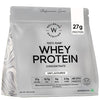 Whey Protein Concentrate 27g | 1kg | 4B CFU Probiotics | Unflavoured
₹4,749 – ₹9,498
Whey Protein Concentrate 27g | 1kg | 4B CFU Probiotics | Unflavoured
₹4,749 – ₹9,498
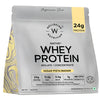 Whey Protein Isolate + Concentrate 24g | 1kg | 4B CFU Probiotics | Kesar Pista Badam
₹6,174 – ₹12,348
Whey Protein Isolate + Concentrate 24g | 1kg | 4B CFU Probiotics | Kesar Pista Badam
₹6,174 – ₹12,348
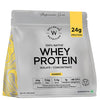 Whey Protein Isolate + Concentrate 24g | 1kg | 4B CFU Probiotics | Mango Flavoured
₹6,174 – ₹12,348
Whey Protein Isolate + Concentrate 24g | 1kg | 4B CFU Probiotics | Mango Flavoured
₹6,174 – ₹12,348
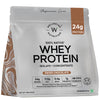 Whey Protein Isolate + Concentrate 24g | 1kg | 4B CFU Probiotics | Swiss Chocolate
₹6,174 – ₹12,348
Whey Protein Isolate + Concentrate 24g | 1kg | 4B CFU Probiotics | Swiss Chocolate
₹6,174 – ₹12,348
 Triple Magnesium Complex
₹1,357 – ₹2,658
Triple Magnesium Complex
₹1,357 – ₹2,658
 Ultra Strength Magnesium+
₹1,745 – ₹3,418
Ultra Strength Magnesium+
₹1,745 – ₹3,418
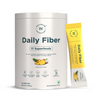 Daily Fiber | Pina Colada Flavour
₹872 – ₹1,708
Daily Fiber | Pina Colada Flavour
₹872 – ₹1,708
 Daily Fiber | Two Flavour Combo
₹1,708
Daily Fiber | Two Flavour Combo
₹1,708
 Probiotic + Prebiotic
₹664 – ₹3,355
Probiotic + Prebiotic
₹664 – ₹3,355
 Liposomal Berberine HCL+
₹1,745 – ₹3,418
Liposomal Berberine HCL+
₹1,745 – ₹3,418