Managing blood sugar, supporting metabolism, or keeping weight in check isn’t just about ticking off tasks in your daily to-do list. It’s a constant effort, where small choices add up, what you eat, how active you are, even how well you sleep. More people are turning to natural solutions to help support their body’s balance, and berberine has been gaining attention, not as a trendy supplement, but as a science-backed ally in metabolic health.
But here’s the thing. Not all berberine supplements are built the same. Many struggle to get absorbed, leaving your body with only a fraction of what it needs to work effectively. That’s where berberine HCL stands out. It’s formulated for superior absorption and real results. Let’s break down how it works, why bioavailability matters, and what makes it a smarter, more reliable choice.
What is Berberine HCL?
Berberine is a naturally occurring alkaloid extracted from plants like Berberis aristata, Coptis chinensis, and Hydrastis canadensis. Its growing popularity stems from multiple scientifically validated berberine benefits, improving insulin sensitivity, supporting healthy lipid profiles, promoting weight loss, and reducing inflammation.
Berberine HCL, or berberine hydrochloride, is simply berberine combined with hydrochloric acid to form a salt. This formulation enhances its stability and solubility, which translates into better absorption in the digestive tract.
The Bioavailability Challenge
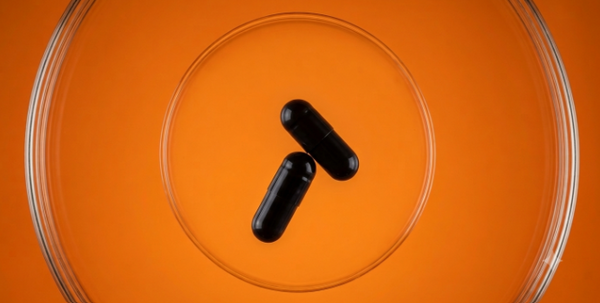
One of the most crucial factors in the effectiveness of any supplement is bioavailability, the proportion of an active substance that enters the bloodstream to exert its effects. Berberine’s therapeutic promise has long been limited by notoriously poor bioavailability. Studies estimate that oral berberine capsules have a bioavailability of less than 1%. [NIH] his means that when you take a standard berberine supplement, less than 1% of it actually enters systemic circulation.
Why is that? The primary challenges include poor water solubility and extensive first-pass metabolism in the liver and intestines. The liver’s cytochrome P450 enzyme system metabolizes a large portion of berberine before it reaches the bloodstream. Furthermore, P-glycoprotein (P-gp), a membrane transporter, actively pumps berberine back into the intestinal lumen, further reducing absorption.
Why Berberine HCL Is Superior
Berberine HCL addresses several of these limitations. The hydrochloride salt form increases berberine’s water solubility compared to its free base counterpart. Improved solubility enhances the compound’s dissolution in the gastrointestinal tract, which is essential for absorption.
Scientific studies have shown that berberine HCL achieves higher plasma concentrations than other forms. Moreover, berberine HCL modulates P-glycoprotein activity. By reducing the efflux of berberine back into the intestine, it allows a higher proportion of the compound to cross the intestinal barrier and reach the bloodstream. [NIH]
Liposomal Berberine HCL: An Advanced Formulation

A growing trend in supplement science is the development of liposomal delivery systems. Liposomal Berberine HCL encloses berberine molecules within phospholipid bilayers, resembling cell membranes. This technology dramatically enhances absorption by protecting the compound from degradation in the gastrointestinal tract and promoting efficient cellular uptake.
Comparative studies reveal that liposomal berberine HCL offers up to six times higher bioavailability than standard berberine capsules. [NIH] This makes it particularly valuable for individuals aiming for optimal therapeutic outcomes, such as improved glycemic control or weight management.
The Role of Dosage and Absorption Enhancers
While the form of berberine is critical, the dosage also plays a significant role. Clinical studies typically use doses ranging from 500 mg to 1500 mg per day, divided into two or three doses, to maintain steady plasma levels.
Additionally, pairing berberine HCL with absorption enhancers like milk thistle extract or piperine (from black pepper) can further amplify its effectiveness. Piperine is known to inhibit certain metabolizing enzymes, slowing berberine breakdown and promoting longer systemic presence. This synergistic combination ensures maximum therapeutic impact without increasing the dosage excessively.
Natural Sources vs. Berberine HCL Supplements

Consuming berberine foods such as barberry, goldenseal, or tree turmeric provides small amounts of the compound, but they lack the potency and bioavailability of a well-formulated berberine HCL supplement. Natural sources often deliver inconsistent concentrations and additional plant compounds that may not support efficient absorption. In contrast, standardized berberine supplements guarantee a precise dose and optimized absorption profile, providing a reliable way to harness berberine’s full benefits.
Key Takeaways
-
Superior Solubility: The hydrochloride salt enhances water solubility compared to other berberine forms, ensuring better absorption.
-
P-glycoprotein Modulation: Reduces active expulsion from enterocytes back into the intestine, allowing more berberine to reach systemic circulation.
-
Liposomal Delivery Option: For advanced absorption, liposomal berberine HCL provides up to 6x higher bioavailability.
-
Clinical Efficacy: Supports glycemic control, lipid profile improvement, weight management, and anti-inflammatory effects at effective dosages.
-
Synergistic Pairing: Works well with absorption enhancers like piperine, further improving systemic availability.
-
Standardized Potency: Offers a consistent, reliable dose compared to variable natural sources.
Conclusion
Choosing the right berberine supplement is about more than just selecting the cheapest option on the shelf. Berberine HCL stands out due to its scientifically backed superior bioavailability, efficient absorption, and clinically proven berberine benefits. For those aiming to optimize metabolic health, support weight management, or regulate blood sugar levels, berberine HCL, especially in a liposomal form, represents the gold standard. When integrated as part of a comprehensive health regimen, it empowers the body’s natural ability to maintain balance at a cellular level.
For maximum results, opt for a high-quality berberine HCL supplement, and consider formulations that combine absorption enhancers and liposomal technology. Science supports it, and your body will thank you.

Recommended Products
 Liposomal Berberine HCL+
₹1,745 – ₹3,418
Liposomal Berberine HCL+
₹1,745 – ₹3,418