Most people think about fiber when they are constipated, feeling bloated or dealing with an upset stomach. The usual advice is simple: eat more fiber to keep things moving. But fiber does considerably more than support regular bowel movements.
It influences how quickly you feel full after a meal, helps regulate blood sugar levels, supports cholesterol management and feeds the beneficial bacteria living in your gut. In fact, your gut bacteria depend on certain types of dietary fiber to produce compounds that support intestinal health.
So, how much fiber do you actually need per day? And are you getting enough from your everyday meals? Let's understand.
First, what exactly does dietary fiber do?
Dietary fiber is the part of plant-based foods that your digestive enzymes cannot completely break down. Unlike other carbohydrates, it travels through much of your digestive tract without being digested and absorbed like glucose.
There are two main types of dietary fiber, and both have different roles.
1. Soluble fiber
Soluble fiber dissolves in water to form a gel-like substance in the digestive tract. This slows down digestion and can influence how quickly glucose enters the bloodstream.
Found in: Oats, apples, citrus fruits, beans, lentils, chia seeds and psyllium husk.
2. Insoluble fiber
Insoluble fiber does not dissolve in water. It adds bulk to stool and helps food waste move through the digestive tract.
Found in: Whole wheat, brown rice, nuts, seeds, vegetable skins and leafy greens.
Some fibers are also fermentable, meaning beneficial gut bacteria break them down in the large intestine. This produces short-chain fatty acids (SCFAs), including butyrate, which help nourish the cells lining your colon.
Importantly, soluble and insoluble fiber are not completely separate categories. Some fibers have properties of both, and their effects depend on their structure and how they are processed by gut bacteria.
5 important ways fiber supports your body
Think of fiber as more than something that simply keeps your digestive system moving. Here's what happens when you get enough of it.
1. Supports smoother digestion and bowel movements
Insoluble fiber adds bulk to stool, while water-holding fibers help soften it. Together, they support regular bowel movements and can help prevent constipation. Adequate water intake is important, too. [NIH]
2. Helps you feel fuller for longer
Ever noticed how a meal containing dal, vegetables and whole grains tends to keep you satisfied longer than a meal made mostly of refined carbohydrates? Fiber absorbs water, adds volume to meals and, particularly in its viscous form, slows digestion. This can help promote satiety and reduce the urge to snack soon after eating. [NIH]
3. Supports healthier blood sugar levels
Soluble, viscous fiber slows the movement of food through the digestive tract and can delay carbohydrate absorption. This helps moderate the rise in blood glucose after meals, making fiber-rich foods useful for everyday blood sugar management. [NIH]
4. Helps maintain healthy cholesterol levels
Certain soluble fibers, particularly beta-glucan from oats and barley, can bind bile acids in the intestine. Your liver then uses cholesterol to produce more bile acids, which can contribute to lower LDL cholesterol levels. [NIH]
5. Nourishes your gut microbiome
Your gut contains trillions of microorganisms, and some of them use fermentable fiber as their food source. During fermentation, they produce short-chain fatty acids such as butyrate, which help maintain the intestinal lining and support a healthy gut environment. [NIH]
How much fiber do you need per day?
The amount of fiber you need depends on your age, sex, activity level and overall energy requirements. There isn't one universal number for everyone.
For Indian adults, the ICMR-NIN 2020 Recommended Dietary Allowances (RDA) provide the following daily fiber recommendations:
|
Category |
Sedentary |
Moderate activity |
Heavy activity |
|
Adult men |
30 g |
40 g |
50 g |
|
Adult women |
25 g |
30 g |
40 g |
These are recommendations based on activity categories, not a requirement to consume the same amount regardless of individual circumstances. The FDA, meanwhile, uses 28 g per day as the Daily Value for dietary fiber on food labels, based on a 2,000-calorie diet. [FDA]
For children, requirements also change with age. For example, ICMR-NIN recommends 15 g for children aged 1–3 years, 20 g for 4–6 years and 26 g for 7–9 years. [ICMR]
A useful starting point: If you're an adult with a sedentary lifestyle, aim for approximately 25–30 g daily, depending on your sex and individual requirements.
How to get enough fiber from everyday foods
You don't need complicated recipes or an entirely different diet to increase your fiber intake. A few thoughtful food choices throughout the day can make a significant difference.

A simple rule is to include vegetables or fruit in your meals, choose whole grains over refined grains, and add beans, lentils, nuts and seeds regularly.
Can fiber supplements help you meet your daily requirement?
Ideally, most of your fiber should come from whole foods because they also provide vitamins, minerals and other beneficial plant compounds. However, if your everyday diet falls short, a fiber supplement can help bridge the gap.
Some options worth knowing about include:
-
Psyllium husk (Isabgol): A soluble, gel-forming fiber that absorbs water and supports stool consistency and regularity.
-
PHGG (Partially Hydrolysed Guar Gum): A gentle, soluble prebiotic fiber that can support beneficial gut bacteria and digestive regularity.
-
Prebiotic and probiotic supplements: Prebiotics provide nourishment for beneficial gut bacteria, while probiotics supply live microorganisms. Certain formulations combine both to support gut health.
-
Daily fiber supplements: Multi-source fiber formulations can help increase overall fiber intake when food alone isn't providing enough.
Remember that not every fiber supplement works in the same way. Choose one based on your dietary gap and digestive needs rather than simply opting for the highest fiber content.
If you have IBS, frequent bloating or another digestive condition, your fiber requirements and tolerance may differ. Soluble fiber, particularly psyllium, is generally better supported for IBS symptoms than insoluble fiber. Start with a small amount and increase gradually with guidance from a healthcare professional. [NIH] [NIH]
Note:
-
Increase fiber gradually and drink adequate water. Suddenly increasing your intake can cause gas, bloating and abdominal discomfort.
-
People with bowel narrowing, swallowing difficulties or certain gastrointestinal conditions should seek medical advice before using fiber supplements.
The takeaway
Fiber deserves a place in your everyday nutrition, not just on days when digestion feels uncomfortable. From supporting bowel regularity and gut bacteria to helping manage blood sugar and cholesterol, it contributes to several aspects of metabolic and digestive health.
Start by looking at what's already on your plate. Add a serving of vegetables, switch to whole grains, include legumes and make fruit a regular snack. Small changes across meals can help you reach your daily fiber requirement without making eating feel like a chore.
FAQs
1. How much fiber should I eat daily for weight loss?
Aim to meet your recommended daily fiber intake. Fiber-rich foods can increase fullness and help manage appetite, making it easier to maintain a balanced calorie intake. However, fiber alone does not cause weight loss.
2. Can eating more fiber help with constipation?
Yes. Fiber increases stool bulk, while certain soluble fibers retain water and soften stools, helping support bowel movements. Increase your intake gradually.
3. Does fiber help with bloating?
It depends on the type of fiber and your digestive tolerance. Some fibers support gut bacteria, while rapidly fermentable fibers can increase gas and bloating, particularly when introduced suddenly.
4. What happens if you eat too much fiber?
Excessively increasing fiber intake can cause gas, bloating, abdominal cramps and changes in bowel movements. Increase your intake gradually and maintain adequate hydration.
5. Is Isabgol a good source of fiber?
Yes. Isabgol, or psyllium husk, is a source of soluble fiber that absorbs water and forms a gel. It can help support bowel regularity and is also used to manage certain IBS symptoms.
6. Does fiber help you feel full for longer?
Yes, particularly viscous fibers. They absorb water, increase meal volume and can slow digestion, helping promote satiety. This may also help reduce frequent snacking.
7. Can fiber help regulate blood sugar levels?
Soluble fiber can slow carbohydrate absorption and moderate post-meal blood glucose responses. Oats, beans, lentils and psyllium are some useful sources.
8. Does fiber help with cholesterol?
Certain soluble fibers, especially oat beta-glucan, can help reduce LDL cholesterol by influencing bile acid absorption and cholesterol metabolism.
9. Can low fiber intake cause migraines or headaches?
There is no established direct evidence that low fiber intake causes migraines. However, dietary habits, hydration and overall nutritional status can influence general wellbeing. Recurrent migraines should be discussed with a healthcare professional.
10. Should I take a prebiotic and probiotic supplement every day?
Not necessarily. Prebiotics nourish beneficial gut bacteria, while probiotics provide live microorganisms. Whether you need a daily supplement depends on your diet, digestive health and the specific strains and ingredients in the formulation.
Key takeaways
-
Most sedentary Indian adults should aim for approximately 25–30 g of dietary fiber daily, depending on sex.
-
Soluble and insoluble fiber have different but complementary roles in digestive health.
-
Fiber supports bowel regularity, satiety, blood sugar management, cholesterol levels and gut microbiome health.
-
Whole grains, fruits, vegetables, legumes, nuts and seeds should form the foundation of your daily fiber intake.
-
Fiber supplements, including psyllium and PHGG, can help bridge dietary gaps when chosen according to individual digestive needs.

Recommended Products
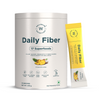 Daily Fiber | Pina Colada Flavour
₹872 – ₹1,708
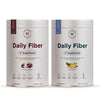 Daily Fiber | Two Flavour Combo
₹1,708
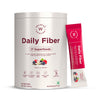 Daily Fiber | Vanilla Berry Flavour
₹872 – ₹1,708
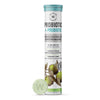 Probiotic + Prebiotic
₹664 – ₹3,355