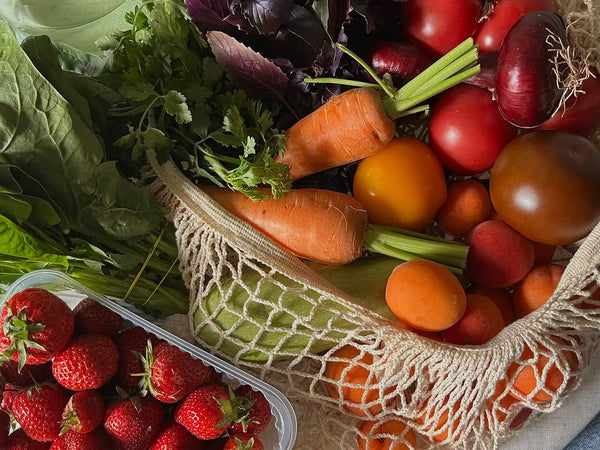
You've probably heard people say, "Eat more vegetables."
But what if we've been asking the wrong question all along?
Instead of wondering whether you're eating enough vegetables, a better question might be: How many different plants are you eating every week?
That's because one of the biggest nutrition trends backed by science today isn't about cutting carbs, ditching gluten, or following the latest fad diet. It's about plant diversity.
Researchers have found that people who eat 30 or more different plant foods each week tend to have a healthier and more diverse gut microbiome, a community of trillions of microbes that influences everything from digestive health and immune health to metabolism and even mood.
The best part? Reaching the target is much easier than it sounds. Coffee counts. Herbs count. Nuts, seeds, beans, spices, and whole grains all count too.
Here's why plant diversity deserves a place on your plate.

What is Plant Diversity?
If you've ever wondered what is plant diversity, the answer is surprisingly simple.
It means eating a wide variety of plant foods rather than relying on the same few every day.
This includes:
-
Vegetables
-
Fruits
-
Whole grains
-
Beans and lentils
-
Nuts
-
Seeds
-
Herbs
-
Spices
-
Legumes
-
Plant-based proteins
The goal isn't to eat more food. It's to eat more variety.
Every plant contains its own unique combination of dietary fiber, vitamins, minerals, antioxidants and naturally occurring compounds called polyphenols. These compounds nourish different species of healthy gut bacteria, helping create a richer and more resilient gut microbiome.
Think of your gut like a rainforest.
The greater the biodiversity, the healthier and more stable the ecosystem becomes. The same is true inside your body. Different microbes perform different jobs, from producing vitamins and supporting digestion to regulating inflammation and communicating with your brain through the gut brain axis.
Why Everyone Is Talking About the 30 Plants a Week Target
The idea comes from the American Gut Project, one of the largest citizen science microbiome studies ever conducted. [NIH]
Researchers discovered that people eating more than 30 different plant foods each week had significantly greater gut microbiome diversity than those eating 10 or fewer, regardless of whether they were vegetarian, vegan or omnivores.
That finding changed the conversation around healthy eating.
Instead of focusing only on how much fruit or vegetables people consumed, researchers began looking at variety, because diversity appeared to matter just as much.

Even better, the study counted all plant foods, including:
-
Herbs
-
Spices
-
Coffee
-
Cocoa
-
Whole grains
-
Beans
-
Lentils
-
Nuts
-
Seeds
Which means increasing your weekly plant count is often much easier than most people think.
Adding fresh coriander to dal, sprinkling pumpkin seeds over yogurt or swapping white rice for quinoa all contribute to your weekly diversity score.
Why is the Importance of Plant Diversity So Big?
The importance of plant diversity goes far beyond better digestion.
A diverse gut microbiome is increasingly linked with better overall health because different microbes produce different beneficial compounds.
One of the most important are short chain fatty acids (SCFAs), including butyrate. These compounds help strengthen the gut lining, regulate inflammation, nourish the cells of the colon and support immune function.

Research published in Cell by Stanford University's Sonnenburg Lab found that increasing dietary fiber from a diverse range of plant foods improved gut microbiome diversity and reduced inflammatory markers in just ten weeks. Interestingly, fermented foods also reduced inflammation, but through a different mechanism, showing that different dietary approaches can support a healthier microbiome. [CELL]
A healthier microbiome has been associated with:
-
Better digestive health
-
Improved immune health
-
Better metabolic health
-
Lower inflammation
-
Healthier communication through the gut brain axis
It doesn't stop there.
A large systematic review published in the Journal of the American Heart Association found that people following broader plant based diets had a lower risk of type 2 diabetes, cardiovascular disease, certain cancers and overall mortality. [NIH]
The takeaway?
It's not about finding one miracle food. It's about eating many different whole foods consistently.

One Plant Isn't Better Than Another. Variety Wins.
We've become obsessed with "superfoods."
One week it's kale.
The next it's blueberries.
Then suddenly everyone is adding chia seeds to everything.
While these foods are nutritious, eating the same "healthy" food every day doesn't create plant diversity.
Spinach feeds different microbes than mushrooms.
Oats nourish different bacteria than lentils.
Blueberries contain different polyphenols than apples.
Your gut microbiome thrives on variety, not repetition.
That's why nutrition researchers are increasingly encouraging people to "eat the rainbow." Different colours represent different phytonutrients, antioxidants and plant compounds, each feeding different species of beneficial bacteria.
Instead of asking, "What's the healthiest food?"
Start asking, "What's a plant I haven't eaten this week?"
Easy Ways to Reach 30 Plants Every Week
Hitting 30 plant foods sounds intimidating until you start counting properly. Every unique fruit, vegetable, grain, bean, nut, seed, herb and spice counts.
|
Meal |
Plant Foods |
Running Count |
|
Breakfast |
Oats, Banana, Blueberries, Chia Seeds, Flaxseed, Cinnamon |
6 |
|
Mid-Morning Snack |
Apple, Almonds |
8 |
|
Lunch |
Brown Rice, Chickpeas, Spinach, Bell Peppers, Carrots, Onion, Coriander, Lemon |
16 |
|
Evening Snack |
Pistachios, Pumpkin Seeds, Kiwi |
19 |
|
Dinner |
Sweet Potato, Broccoli, Mushrooms, Garlic, Ginger, Sesame Seeds |
25 |
|
Extras During the Week |
Tomatoes, Kidney Beans, Green Peas, Basil, Turmeric, Black Pepper, Quinoa |
32 |
Pro tip: Don't try to eat 30 plants in one day. Rotate your grains, fruits, vegetables and legumes throughout the week. Small swaps add up surprisingly quickly.

Don't Underestimate the Small Plants
Here's something most people don't know.
Your spice rack might be one of the easiest ways to improve plant diversity.
Turmeric, cumin, coriander, cinnamon, rosemary, basil, thyme, fennel and black pepper all count towards your weekly total while providing unique polyphenol rich foods that help nourish beneficial gut microbes.
Even your morning coffee counts because coffee beans are plant foods rich in naturally occurring polyphenols.
Sometimes the smallest ingredients have the biggest impact.
What If You Can't Reach 30 Plants Every Week?
Life gets busy.
Travel, work schedules and repetitive meal routines can make eating a wide variety of high fiber foods difficult.
That's okay.
Focus on progress instead of perfection.
Buying mixed vegetables instead of single varieties, rotating seasonal fruits, adding beans to soups, sprinkling mixed seeds onto breakfast and trying one new vegetable each week are simple ways to improve gut health naturally.
On particularly busy days, thoughtfully formulated products can help complement, not replace, whole foods. For example, a daily green blend made with ingredients like spinach, moringa, spirulina, chlorella and wheatgrass can conveniently add extra plant variety. Likewise, if your daily fiber intake regularly falls short, a dietary fiber supplement made with multiple natural fiber sources may help support digestive comfort alongside a balanced diet. If you're looking to increase protein intake, choosing a vegan protein or vegan protein powder that combines several plant sources rather than just one can also contribute to your overall plant-based nutrition while supporting muscle recovery.
The foundation, however, should always be real, minimally processed whole foods.
The Bottom Line
Healthy eating isn't about chasing the latest superfood.
It's about giving your body a wider range of nutrients, fibers and plant compounds every single week.
The science around plant diversity is making one thing increasingly clear. A more diverse diet supports a more diverse gut microbiome, and a healthier microbiome is linked to better digestive health, immune health, metabolic health and lower inflammation.
So the next time you're grocery shopping, don't just fill your cart.
Diversify it.
Because sometimes the healthiest change isn't eating more.
It's eating differently.
5 Key Takeaways
-
Plant diversity means eating a wide variety of fruits, vegetables, legumes, whole grains, herbs, nuts, seeds and spices.
-
The 30 plants a week target is backed by research linking greater plant variety with a healthier gut microbiome.
-
Different plants feed different healthy gut bacteria, supporting digestion, immunity and the gut brain axis.
-
Herbs, spices, coffee, nuts and seeds all count towards your weekly plant diversity goal.
-
Simple habits like rotating grains, adding legumes and eating seasonal produce make reaching 30 plants surprisingly achievable.
FAQs
1. What is plant diversity?
Plant diversity refers to eating a wide variety of different plant foods throughout the week instead of relying on the same few foods every day.
2. Why is 30 plants a week recommended?
The American Gut Project found that people eating more than 30 different plant foods weekly had significantly greater gut microbiome diversity than those eating 10 or fewer.
3. Does coffee count towards plant diversity?
Yes. Coffee beans come from a plant and contribute to your weekly plant count.
4. Do herbs and spices count?
Absolutely. Basil, coriander, turmeric, cumin, cinnamon and other herbs and spices each count as individual plant foods.
5. Can frozen vegetables count?
Yes. Frozen vegetables retain most of their nutrients and count just like fresh ones.
6. Is eating one salad every day enough?
Not necessarily. Variety matters more than repetition. Different plants provide different fibers and phytonutrients.
7. Do I need to be vegetarian to benefit?
No. The American Gut Project found benefits regardless of whether participants were vegan, vegetarian or omnivorous.
8. What's the easiest way to improve gut health naturally?
Eat a wider variety of fiber rich foods, legumes, fruits, vegetables, nuts, seeds and whole grains while gradually increasing your dietary fiber intake.
9. Can a vegan protein powder support plant diversity?
A high-quality vegan protein powder made from multiple plant sources can complement a varied diet, but it shouldn't replace whole plant foods.
10. How long does it take to improve the gut microbiome?
Human research suggests measurable improvements in gut microbiome diversity and inflammatory markers can occur within about ten weeks when people consistently increase their intake of diverse, fiber-rich plant foods.

Recommended Products
 Daily Greens
₹878 – ₹2,635
Daily Greens
₹878 – ₹2,635
 Her Superfood Plant Protein | Chocolate Peanut Butter
₹1,439 – ₹2,878
Her Superfood Plant Protein | Chocolate Peanut Butter
₹1,439 – ₹2,878
 Plant Protein 22g | 500g | 3B CFU Probiotics | Belgian Dark Chocolate
₹1,439 – ₹2,878
Plant Protein 22g | 500g | 3B CFU Probiotics | Belgian Dark Chocolate
₹1,439 – ₹2,878
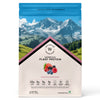 Plant Protein 22g | 500g | 3B CFU Probiotics | Canadian Mixed Berry
₹1,439 – ₹2,878
Plant Protein 22g | 500g | 3B CFU Probiotics | Canadian Mixed Berry
₹1,439 – ₹2,878
 Plant Protein 22g | 500g | 3B CFU Probiotics | Dark Chocolate Hazelnut
₹1,439 – ₹2,878
Plant Protein 22g | 500g | 3B CFU Probiotics | Dark Chocolate Hazelnut
₹1,439 – ₹2,878
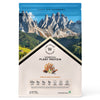 Plant Protein 22g | 500g | 3B CFU Probiotics | French Vanilla Caramel
₹1,439 – ₹2,878
Plant Protein 22g | 500g | 3B CFU Probiotics | French Vanilla Caramel
₹1,439 – ₹2,878
 Whey Protein Isolate + Concentrate 24g | 1kg | 4B CFU Probiotics | Kesar Pista Badam
₹5,849 – ₹11,698
Whey Protein Isolate + Concentrate 24g | 1kg | 4B CFU Probiotics | Kesar Pista Badam
₹5,849 – ₹11,698
 Whey Protein Isolate + Concentrate 24g | 1kg | 4B CFU Probiotics | Mango Flavoured
₹4,499 – ₹8,998
Whey Protein Isolate + Concentrate 24g | 1kg | 4B CFU Probiotics | Mango Flavoured
₹4,499 – ₹8,998
 Whey Protein Isolate + Concentrate 24g | 1kg | 4B CFU Probiotics | Swiss Chocolate
₹4,949 – ₹9,898
Whey Protein Isolate + Concentrate 24g | 1kg | 4B CFU Probiotics | Swiss Chocolate
₹4,949 – ₹9,898
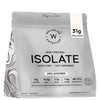 Whey Protein Isolate 31g | 1kg | 4B CFU Probiotics | Unflavoured
₹5,399 – ₹10,349
Whey Protein Isolate 31g | 1kg | 4B CFU Probiotics | Unflavoured
₹5,399 – ₹10,349