Most people think sunlight has one job. It helps your body make vitamin D. That's it.
But if that were true, spending a few minutes in the sun and taking a supplement on cloudy days would solve the entire problem.
It doesn't.
Sunlight is one of the most powerful environmental signals your body receives every day. It influences your biological clock, hormones, metabolism, mood, immunity, sleep, and even how efficiently your cells produce energy.
Why is sunlight important isn't just a question about bones or calcium. It's about how nearly every system in your body knows when to wake up, work, recover, and rest.
Understanding why is sunlight necessary can change the way you think about your daily routine, especially in a world where many people spend more time under LED lights than under the morning sky.
Your body evolved with the sun But Your lifestyle didn't.
Modern life has quietly disconnected us from natural light.
Many people leave home before sunrise, spend eight to ten hours indoors, commute back after sunset, and wonder why vitamin D deficiency occurs despite living in one of the sunniest countries in the world.
India receives abundant sunshine throughout the year, yet studies estimate that nearly 70 to 90% of Indians have insufficient vitamin D levels (NIH). Darker skin, air pollution, sunscreen, indoor work, and covering most of the body all reduce the amount of UVB light needed for vitamin D production.
But low vitamin D is only one part of the story.
Your body expects sunlight every morning because it acts like a master timekeeper. Without that signal, several biological processes begin drifting out of sync.
Why is sunlight important for far more than vitamin D
1. It sets your internal body clock
Inside your brain is a tiny region called the suprachiasmatic nucleus. Think of it as your body's central clock.
Morning sunlight tells this clock that the day has begun. In response, your body increases alertness, raises cortisol at the right time, boosts focus, and starts a countdown for melatonin production later that night (NIH).
When this signal is weak or delayed, your sleep schedule shifts, your energy dips during the day, and falling asleep at night becomes more difficult.
Simply getting sunlight within the first hour after waking can help synchronize your circadian rhythm, making your sleep naturally deeper and your mornings more energetic.

2. Sunlight helps regulate mood
Ever wondered why bright mornings make you feel more awake?
Natural light stimulates pathways in the brain that increase serotonin production. Serotonin is a neurotransmitter involved in mood, emotional stability, motivation, and focus (NIH).
Lower sunlight exposure has been associated with seasonal mood changes, reduced motivation, and fatigue in many people.
This is another reason why is sunlight necessary beyond simply maintaining healthy vitamin D levels.
3. Sunlight supports metabolic health
Emerging research suggests that sunlight exposure may influence metabolism independently of vitamin D (NIH).
Morning light helps regulate glucose metabolism, insulin sensitivity, appetite-regulating hormones, and energy expenditure by aligning your circadian rhythm with your eating patterns.
When your body clock is disrupted, even healthy meals may not be processed as efficiently because your metabolic hormones begin working at the wrong times.
This is one reason researchers increasingly recommend morning outdoor exposure as part of a healthy lifestyle alongside diet and exercise.

Why is vitamin D important anyway?
Vitamin D is technically a hormone rather than just a vitamin. Once produced in the skin, it undergoes activation in the liver and kidneys before becoming biologically active. From there, it influences thousands of genes throughout the body.
That's why is vitamin D important goes far beyond bone strength.
Healthy vitamin D levels help support:
-
Calcium absorption for stronger bones and teeth
-
Healthy muscle function
-
Immune system regulation
-
Normal inflammatory responses
-
Healthy cell growth
-
Brain and nervous system function
Vitamin D receptors are found in almost every tissue of the human body, highlighting just how widespread its effects are.
How much sunlight needed for vitamin D?
This is where things become complicated.
There isn't one universal answer to how much sunlight needed for vitamin D because production depends on multiple factors:
-
Skin tone
-
Time of day
-
Latitude
-
Air pollution
-
Clothing
-
Season
-
Age
Someone with lighter skin may produce sufficient vitamin D after 10 to 20 minutes of midday sun exposure, while individuals with darker skin often require considerably longer.
For many Indians, exposing the arms and legs to midday sunlight for around 20 to 40 minutes several times per week may support vitamin D production, although this varies widely depending on skin pigmentation and location.
If you're wondering how much sunlight do i need, remember that consistency matters more than occasional long exposures.
Short, regular sunlight exposure is generally more effective than spending hours outdoors once every few weeks.

Why vitamin D deficiency happens even in sunny countries
People often assume that living in a tropical country automatically protects against deficiency.
Unfortunately, modern lifestyles tell a different story.
Common reasons why vitamin D deficiency happens include:
-
Working indoors all day
-
Spending most travel time inside vehicles
-
Wearing full-coverage clothing
-
Frequent sunscreen application before sun exposure
-
Air pollution blocking UVB rays
-
Naturally darker skin, which contains more melanin and reduces vitamin D production
-
Age-related decline in skin's ability to synthesize vitamin D
Certain digestive disorders, obesity, liver disease, kidney disease, and medications can also reduce vitamin D availability even when sunlight exposure is adequate.
Can food alone provide enough vitamin D?
Unfortunately, very few foods naturally contain meaningful amounts of vitamin D.
Fatty fish, egg yolks, liver, and fortified dairy products contribute some vitamin D, but they usually aren't enough to meet your body's requirements, especially if sunlight exposure is limited.
That is why a combination of sensible sun exposure, a balanced diet, and supplementation when needed often provides the most reliable approach.

Why take vitamin D supplements?
Even with the best intentions, consistent sunlight isn't always possible. Indoor jobs, long commutes, monsoon seasons, air pollution, darker skin, or medical conditions can all make it difficult to maintain healthy vitamin D levels year-round.
This is why take vitamin D supplements becomes an important consideration for many people. Supplements help bridge the gap when your body isn't able to produce enough vitamin D naturally.
A high-quality Vitamin D 3 supplement is generally preferred because vitamin D3 (cholecalciferol) is the same form your skin produces after sun exposure. It is also more effective than vitamin D2 at raising and maintaining blood vitamin D levels.
Since vitamin D is fat-soluble, taking it with a meal containing healthy fats may improve absorption.
If you're considering supplementation, it's best to choose the dose based on your current vitamin D status and your healthcare provider's advice rather than taking very high doses without testing.
Vitamin D doesn't work alone
Vitamin D is just one piece of the nutritional puzzle.
Your body also depends on magnesium to activate vitamin D, vitamin K2 to help direct calcium into bones, and several other vitamins and minerals that support immunity, muscle function, and overall health.
For people whose diets are inconsistent or whose nutritional needs are higher, well-formulated multivitamins can help fill everyday nutrient gaps alongside a healthy diet.
The nutritional needs of men and women also change across different life stages. A thoughtfully designed multivitamin for men may support energy metabolism, muscle health, and immune function, while a multivitamin for women can help address nutrients that commonly require additional attention, such as iron, folate, or calcium, depending on age and individual needs.
Rather than replacing healthy habits, these supplements work best as part of a broader lifestyle that includes balanced nutrition, regular movement, quality sleep, and adequate sunlight.

Key Takeaways
-
Why is sunlight important goes far beyond vitamin D. It influences your sleep, mood, metabolism, immunity, and biological clock.
-
Why is vitamin D important is because it supports bone health, muscle function, immunity, and hundreds of cellular processes throughout the body.
-
How much sunlight needed for vitamin D varies based on skin tone, location, clothing, age, and season, making regular exposure more important than occasional long sessions.
-
Modern indoor lifestyles explain much of why vitamin D deficiency occurs and why vitamin D deficiency happens, even in sunny countries like India.
-
When sunlight and diet aren't enough, a Vitamin D 3 supplement can help maintain healthy vitamin D levels.
-
Along with vitamin D, multivitamins, a multivitamin for men, or a multivitamin for women may help bridge everyday nutritional gaps when used alongside a balanced diet and healthy lifestyle.
Conclusion
Sunlight is more than a source of vitamin D. It's one of the body's oldest biological signals, quietly regulating everything from when you feel awake to how well your immune system functions.
While modern life makes it easy to spend entire days indoors, even small changes like stepping outside in the morning or making time for regular sunlight exposure can have lasting benefits.
And when life, work, or health makes that difficult, the right nutritional support, including a Vitamin D 3 supplement or well-formulated multivitamins, can help ensure your body continues to receive the nutrients it needs to function at its best.
Frequently Asked Questions
Is sunlight only important for vitamin D?
No. Why is sunlight important extends beyond vitamin D production. Natural sunlight helps regulate your circadian rhythm, supports healthy sleep, influences mood, and plays a role in metabolism and immune function.
How much sunlight do I need every day?
The answer depends on your skin tone, age, location, clothing, and season. For many Indians, exposing the arms and legs to sunlight for around 20 to 40 minutes several times a week may support vitamin D production, although individual needs vary.
Why is vitamin D important for adults?
Vitamin D helps your body absorb calcium, supports strong bones and muscles, contributes to immune function, and influences the activity of many genes involved in overall health.
Why vitamin D deficiency happens despite living in India?
Many people spend most of their day indoors, use sun protection, travel in covered vehicles, or have darker skin that naturally produces vitamin D more slowly. These factors contribute to deficiency even in sunny climates.
Why do I need vitamin D if I already eat a healthy diet?
Very few foods naturally contain enough vitamin D to meet your daily needs. For most people, sunlight remains the primary source, with supplements helping when sun exposure is inadequate.
Why take vitamin D supplements instead of relying only on sunlight?
Supplements can help maintain healthy vitamin D levels when regular sunlight exposure isn't possible due to work schedules, weather, pollution, medical conditions, or other lifestyle factors.
When should I consider a Vitamin D 3 supplement?
If blood tests show low vitamin D levels, or if you have limited sun exposure and are at higher risk of deficiency, your healthcare provider may recommend a Vitamin D 3 supplement in an appropriate dose.
Can multivitamins replace sunlight?
No. Multivitamins provide essential nutrients, but they cannot replicate sunlight's effects on your circadian rhythm, hormone regulation, or mood. Natural light remains important for overall health.
Should everyone take a multivitamin for men or a multivitamin for women?
Not necessarily. These supplements are most helpful when dietary intake is inadequate or nutritional requirements increase. Individual needs vary based on age, diet, health status, and lifestyle.

Recommended Products
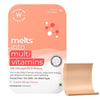 Multivitamins
₹599 – ₹1,138
Multivitamins
₹599 – ₹1,138
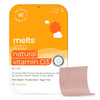 Natural Vitamin D3
₹649 – ₹1,298
Natural Vitamin D3
₹649 – ₹1,298
 Multi + Omega for Her Slow
₹1,357 – ₹2,658
Multi + Omega for Her Slow
₹1,357 – ₹2,658
 Multi + Omega for Him Slow
₹1,357 – ₹2,658
Multi + Omega for Him Slow
₹1,357 – ₹2,658