





You've probably seen collagen everywhere lately in your favorite influencer's morning coffee routine, mixed into your coworker's smoothie, or credited by your gym buddy for better joint recovery. And honestly, who can blame the hype? When something promises glowing skin, stronger nails, and healthier joints, it's pretty hard to ignore.
While everyone's talking about collagen for beauty benefits, there's an incredible story unfolding in your gut that nobody seems to mention. Your digestive system, that complex network of organs working around the clock to keep you nourished and healthy, actually depends on collagen in ways that might completely surprise you.
Collagen for gut health isn't just another wellness trend; it's a fundamental aspect of how your body maintains digestive wellness that most people are completely unaware of. While you've been hearing about collagen for hair, skin, and nails, your intestinal lining has been quietly relying on this same protein to maintain its integrity, support beneficial bacteria, and keep your entire digestive system functioning optimally. We're talking about everything from reducing that uncomfortable bloating after meals to supporting the trillions of beneficial bacteria that call your gut home.
So, if you've been thinking of collagen purely as a beauty supplement, you're about to discover a whole new side of this powerhouse protein. Let's dive into the fascinating world of collagen for gut health and explore how this protein can transform your digestive wellness from the inside out.
How Does Collagen Support the Intestine?
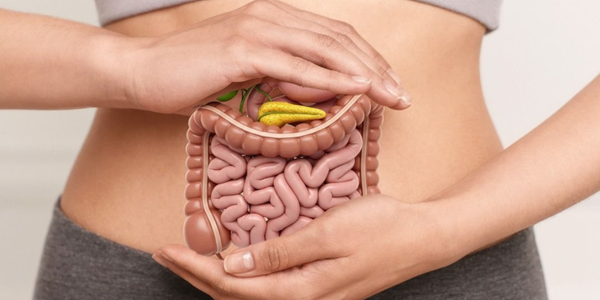
Your digestive system is a finely tuned ecosystem and collagen plays a vital role in maintaining its integrity and performance. Here’s how this foundational protein supports gut health from within.
Strengthening the Intestinal Lining
Your intestinal lining acts as a selective barrier, keeping harmful substances out while allowing essential nutrients to pass through. The structural integrity of this delicate system relies heavily on Type III collagen, which forms the foundational framework of your gut barrier. (NIH)
The intestine contains 70% Type I collagen and 27% Type III collagen. (NIH)
When your gut lining faces damage from stress, poor diet, or medications, these amino acids become critical building blocks for restoration. Collagen supplementation has been shown to repair tight junctions, the cellular connections that control permeability in your intestinal wall, ensuring harmful toxins stay out while nutrients get absorbed efficiently. (PMC)
Improving Overall Gut Function
Beyond structural support, collagen directly impacts your daily digestive comfort. The glycine in collagen has natural anti-inflammatory properties that calm irritated digestive tissue, while also supporting stomach acid production crucial for breaking down proteins effectively. (NIH)
When your stomach produces optimal acid levels, food digests more completely, reducing fermentation and the bloating or gas that often follows meals. Collagen also supports smooth muscle contractions in your digestive tract, helping food move at the proper pace and promoting regular bowel movements. (NIH)
Supporting Your Gut Microbiome
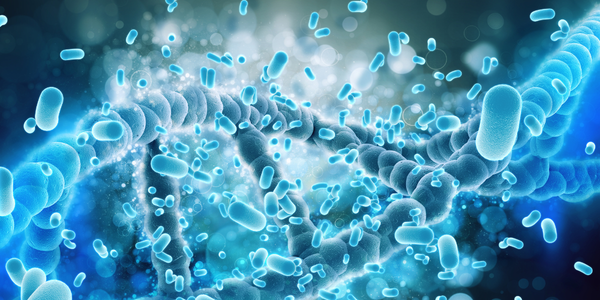
Recent research reveals that collagen peptides act as a powerful prebiotic, feeding beneficial bacteria to your digestive system. (Sciencedirect) Unlike typical prebiotics that come from fiber, collagen provides amino acids and peptides that serve as fuel for specific strains of gut bacteria.
Studies demonstrate that collagen peptide consumption can alter gut microbiota composition, increasing beneficial bacterial populations including Bacteroides, Lactobacillus, and Faecalibaculum. (ScienceDirect) This shift toward beneficial bacteria creates a healthier gut environment and improved digestive function.
Producing Short-Chain Fatty Acids
When your gut bacteria metabolize collagen peptides, they produce short chain fatty acids (SCFAs) powerful compounds that provide numerous digestive benefits. Research shows collagen peptides increase SCFA producing bacteria like Blautia, Ruminococcus, and Roseburia, which help restore intestinal pH, promote tissue repair, and reduce inflammation. (ScienceDirect)
These SCFAs serve as primary fuel for your colon cells, maintain optimal gut pH levels, and create an environment where beneficial bacteria thrive while harmful microorganisms struggle to survive.
Improving Intestinal Barrier Function
One of collagen's most significant contributions to collagen gut health is repairing intestinal epithelial barrier dysfunction. When this barrier becomes compromised, toxins and undigested particles can enter your bloodstream, triggering inflammation throughout your body. (NIH)
The glycine in collagen acts as both an anti-inflammatory agent and cellular repair facilitator. Research demonstrates that collagen peptides reduce pro-inflammatory cytokines while decreasing oxidative stress, effectively healing damaged intestinal tissue, and modulating immune response for better overall digestive health. (NIH)
Choosing the Right Collagen Supplement for Gut Health
When it comes to supporting collagen digestion and gut health, not all collagen supplements might be gut friendly for you. The key is choosing hydrolyzed collagen peptides that are specifically designed for optimal absorption and bioavailability.
Hydrolyzed collagen works exceptionally well for gut health because it's already broken down into smaller, more easily absorbed peptides. This pre- digestion process means your body can utilize collagen more efficiently, delivering faster and more noticeable results.
Look for collagen supplements that offer:
Superior Absorption:
Premium hydrolyzed collagen with molecular weights under 1,000 daltons can be absorbed up to 5 times better than regular collagen, bypassing much of the digestive process for maximum bioavailability.
Clean Sourcing:
Choose collagen sourced from wild caught fish or grass-fed animals to ensure you're getting the purest form without environmental contaminants or added hormones.
Additional Gut Supporting Ingredients:
Some advanced formulations include digestive enzymes, probiotics, or other gut healing compounds that work synergistically with collagen to enhance digestive wellness.
Easy Integration:
Quality collagen peptides should dissolve easily in both hot and cold liquids, making it simple to incorporate into your daily routine without changing the taste or texture of your favorite beverages.
Third Party Testing:
Look for products that are third party tested for purity and potency to ensure you're getting exactly what is listed on the label.
For optimal collagen gut health benefits, consistency is key. Most people begin to notice improvements in their digestive comfort and function after 4 - 6 weeks of regular supplementation, though some may experience benefits sooner.
Conclusion
The connection between collagen and gut health goes far deeper than most people realize. From strengthening your intestinal lining and supporting beneficial bacteria to reducing inflammation and improving digestive function, collagen plays a fundamental role in maintaining optimal collagen gut health.
While collagen will always be celebrated for its beauty benefits, its impact on digestive wellness deserves equal recognition. By supporting your gut health with quality hydrolyzed collagen peptides, you're not just investing in better digestion; you're supporting your overall health and wellbeing from the inside out.
Remember, collagen and gut health work great as part of a holistic approach that includes a balanced diet, adequate hydration, stress management, and other healthy lifestyle choices. When combined with consistent collagen supplementation, these practices can help you achieve the digestive wellness you deserve.

Recommended Products
 Pure Korean Marine Collagen Peptides | Unflavored | Combat Signs of Ageing
₹1,709 – ₹6,117
Pure Korean Marine Collagen Peptides | Unflavored | Combat Signs of Ageing
₹1,709 – ₹6,117
 Vegan Pro Collagen Lemon Lime
₹1,709 – ₹3,238
Vegan Pro Collagen Lemon Lime
₹1,709 – ₹3,238
 Vegan Pro Collagen Mixed Berries
₹1,259 – ₹2,519
Vegan Pro Collagen Mixed Berries
₹1,259 – ₹2,519
 Beauty Collagen Strawberry Watermelon Flavour
₹1,899 – ₹6,797
Beauty Collagen Strawberry Watermelon Flavour
₹1,899 – ₹6,797
 Beauty Korean Marine Collagen Peptides Mango Peach Flavour
₹1,899 – ₹6,797
Beauty Korean Marine Collagen Peptides Mango Peach Flavour
₹1,899 – ₹6,797
 Glow Korean Marine Collagen Peptides
₹1,899 – ₹6,797
Glow Korean Marine Collagen Peptides
₹1,899 – ₹6,797











 DOWNLOAD NOW


Leave a comment