If protein had a reputation score, whey would be the overachiever with straight As. But timing, pairing, and quality decide whether your scoop becomes a superhero or just another dusty jar on your shelf.
In this guide, we break down when and how to take whey protein powder so your body actually absorbs and utilises it effectively. No myths. No shortcuts. Just evidence-backed nutrition explained in a way that makes sense.
What Exactly Is Whey Protein?

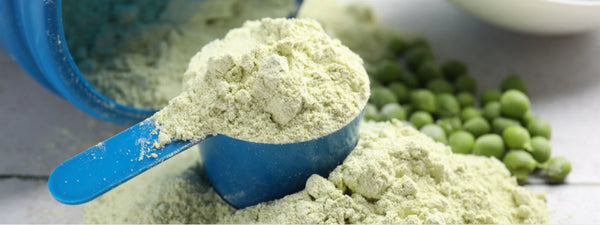
Before we talk timing, let’s zoom in on origins. Whey protein is made from the liquid part of milk that separates during cheese production. Through filtration, this liquid becomes a concentrated protein source.
At a molecular level, whey protein is made up of essential amino acids, especially leucine, the trigger for muscle protein synthesis.
This is why whey protein is good for health. It supports:
-
Muscle repair: After workouts or long days, whey delivers fast-absorbing amino acids that help rebuild stressed muscle fibers. Think of it as your body’s overnight repair crew, working quietly but effectively (NIH).
-
Metabolism: Whey boosts your metabolic rate because protein takes more energy to digest than carbs or fats. Translation: your body burns more calories just by processing it (NIH).
-
Satiety: Whey keeps you fuller for longer by regulating hunger hormones like ghrelin. That’s why a scoop can curb mindless snacking better than a biscuit ever could (NIH).
-
Immunity: Whey contains bioactive compounds that support immune cell function. So while you’re building muscle, you’re also strengthening your internal defense system (NIH).
And yes, the whey protein powder benefits go beyond gym gains. So, whey is not just for bodybuilders. It’s functional nutrition for modern lifestyles.
When Should You Take Whey Protein?
Timing shapes results. Here’s how to use it strategically.
1. Morning (On Waking Up)
Your body wakes up catabolic. Translation: it’s hungry for amino acids. Taking whey protein and water first thing:
-
Stops muscle breakdown by supplying quick-absorbing amino acids that protect your lean tissue, especially during long gaps between meals.
-
Boosts metabolism because protein digestion burns more calories, helping your body work a little harder even at rest.
-
Controls cravings by keeping you fuller for longer and stabilising hunger hormones throughout the day.
Best for busy professionals, intermittent fasters.
2. Pre-Workout
Your muscles need readily available amino acids before you train. Taking whey protein in a fast-digesting form before your workout:
-
Improves muscle endurance by supplying quick energy at the cellular level.
-
Reduces muscle breakdown during intense training sessions.
-
Enhances workout performance by supporting strength and stamina.
Best for strength training, HIIT, and early-morning workouts.
3. Post-Workout (Golden Hour)
This is whey’s spotlight moment. Your muscles are primed to absorb nutrients right after exercise. Post-training, whey:
-
Repairs micro-tears caused by resistance training and movement.
-
Supports lean mass gain by triggering muscle protein synthesis.
-
Refills glycogen stores to restore energy levels faster.
Best for gym-goers, athletes, and anyone focused on recovery.
4. Night Time
Yes, whey protein can be taken at night, especially if your dinner was light or skipped. Pairing it with milk for slower digestion:
-
Provides a steady release of amino acids while you sleep.
-
Prevents overnight muscle breakdown.
-
Supports muscle repair and recovery during rest cycles.
Best for those with irregular meal timings or late workouts. There’s no single perfect time. There’s a perfect time for your goal.
Whey Protein With Milk or Water?
Choosing your mixing liquid changes how your body absorbs and uses whey. The right choice depends on your fitness goal and daily routine.
Whey protein with water
-
Absorbs faster, making it ideal for quick muscle recovery after workouts.
-
Keeps calories lower, perfect for those focused on fat loss.
Whey protein with milk
-
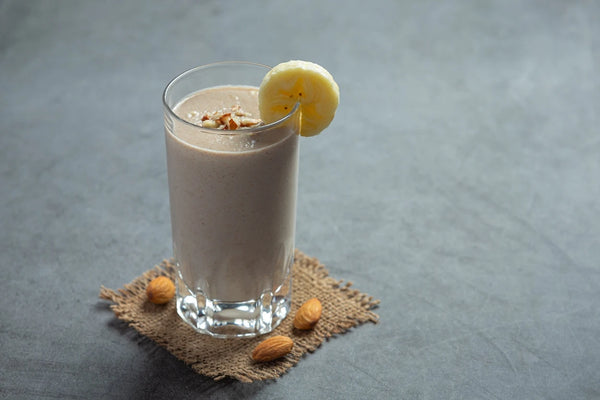
Creates a creamier shake while slowing digestion for longer-lasting fullness
-
Adds extra calories, supporting healthy weight and muscle gain.
Whey protein with milk or water depends on your goal:
-
For fat loss, mix whey with water to keep calories in check.
-
For weight gain, mix whey with milk to increase energy intake.
Even whey protein with hot milk is fine. Just don’t boil it. Your choice of liquid shapes how your body processes whey, so align it with your goal.
How Much Whey Should You Take?
Your protein intake should complement your diet, not overpower it. The goal is to fill nutritional gaps, not replace real food.
General guideline:
-
One scoop typically provides 20–25 g of high-quality protein.
-
Most people benefit from 1–2 scoops daily, depending on their dietary intake and activity level.
Whey is meant to supplement meals, not substitute them. Progress comes from precision. The right amount delivers results, not excess.
Smart Pairings with Whey
The right combinations can elevate your protein shake from basic nutrition to targeted functional support. Strategic pairings help your body absorb, utilise, and benefit from whey more effectively.
• Whey protein with curd supports gut health by adding natural probiotics that improve digestion.
• Whey protein with probiotics enhances microbial balance, helping your body break down protein efficiently.
• Whey protein with digestive enzymes reduces bloating by improving protein breakdown and absorption.
• Whey protein with multivitamin ensures better micronutrient uptake, supporting overall metabolic health.
• Whey protein with creatine boosts muscle strength and performance during high-intensity training.
• Whey protein with monk fruit provides natural sweetness without spiking blood sugar levels.
These combinations transform your shake into targeted nutritional support. Whey delivers better results when paired with purpose.
If you want whey protein that has built-in probiotics and digestive enzymes for gentler digestion and enhanced absorption, then Wellbeing Nutrition Whey Protein is an excellent choice. Each scoop delivers 4 billion CFU of probiotics (including Lactobacillus acidophilus and Bifidobacterium longum) plus plant-derived digestive enzymes bromelain (from pineapple) and papain (from papaya) to help pre-break protein into smaller peptides for smoother digestion and reduced bloating, so your body can make the most of every gram of protein.
Final Thoughts
Whey protein isn’t a shortcut, it’s a strategy. When used intentionally, it becomes a powerful tool to support recovery, muscle health, and daily performance. The results you see reflect how thoughtfully you have use it.
From timing your intake to choosing clean formulations and smart pairings, every small decision compounds into long-term benefits. Faster recovery, lean muscle, stable energy, and better nutrition aren’t accidental, they’re built scoop by scoop.
FAQs
1. When is the best time to take whey protein powder?
The best time to take whey protein powder depends on your goal. It can be taken in the morning, pre-workout, post-workout, or at night to support muscle recovery, energy levels, and protein intake.
2. Can whey protein be taken with milk or water?
Yes, whey protein can be taken with milk or water. Water supports faster absorption and lower calories, while milk provides extra nutrients and helps with weight and muscle gain.
3. How much whey protein should I take daily?
Most people benefit from 1–2 scoops daily, providing 20–50 g of protein. The exact amount depends on your diet, activity level, and fitness goals.
4. Is whey protein good for health if I don’t go to the gym?
Yes, whey protein is good for health even without exercise. It supports muscle maintenance, improves satiety, and helps meet daily protein needs.
5. Can whey protein be taken at night?
Yes, whey protein can be taken at night, especially with milk, as it provides a slow release of amino acids to support overnight muscle recovery.
6. What are the main benefits of whey protein powder?
Whey protein powder benefits include muscle repair, improved metabolism, better appetite control, and immune system support.
7. Should I choose whey protein with digestive enzymes and probiotics?
Whey protein with digestive enzymes and probiotics improves protein absorption, reduces bloating, and supports gut health, making it ideal for sensitive digestion.

Recommended Products
 Whey Protein Concentrate 27g | 1kg | 4B CFU Probiotics | Unflavoured
₹4,749 – ₹9,498
Whey Protein Concentrate 27g | 1kg | 4B CFU Probiotics | Unflavoured
₹4,749 – ₹9,498
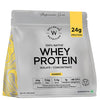 Whey Protein Isolate + Concentrate 24g | 1kg | 4B CFU Probiotics | Mango Flavoured
₹6,174 – ₹12,348
Whey Protein Isolate + Concentrate 24g | 1kg | 4B CFU Probiotics | Mango Flavoured
₹6,174 – ₹12,348
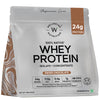 Whey Protein Isolate + Concentrate 24g | 1kg | 4B CFU Probiotics | Swiss Chocolate
₹6,174 – ₹12,348
Whey Protein Isolate + Concentrate 24g | 1kg | 4B CFU Probiotics | Swiss Chocolate
₹6,174 – ₹12,348
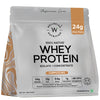 Whey Protein Isolate + Concentrate 24g | 1kg| 4B CFU Probiotics | Cappuccino
₹6,174 – ₹12,348
Whey Protein Isolate + Concentrate 24g | 1kg| 4B CFU Probiotics | Cappuccino
₹6,174 – ₹12,348
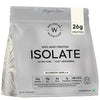 Whey Protein Isolate 26g | 1kg | 4B CFU Probiotics | Bourbon Vanilla
₹7,599 – ₹15,199
Whey Protein Isolate 26g | 1kg | 4B CFU Probiotics | Bourbon Vanilla
₹7,599 – ₹15,199