Walk into any nutrition aisle and you’ll see shelves lined with tubs, sachets, and every imaginable whey protein pouch design. Labels shout “isolate,” “concentrate,” “lean,” “mass,” “pure,” and “ultra.”
But here’s the quiet truth most brands don’t explain clearly: the difference between whey protein isolate vs concentrate isn’t just marketing. It’s metabolic. It’s digestive. And it directly shapes how your body uses protein.
Whether your goal is strength, recovery, fat loss, or simply staying nourished in a busy life, understanding this difference helps you choose smarter, not louder. Let’s decode it, layer by layer.
What Is Whey Protein & Why Does Your Body Love It?

Whey protein is derived from milk during the process of cheese making. Once separated, filtered, and dried, whey becomes a fast-absorbing, complete protein rich in essential amino acids and leucine, the key trigger for muscle protein synthesis.
This is why whey protein is good for health beyond just gym goals. It supports muscle repair, immune function, metabolic health, and even satiety (NIH).
Among all whey protein powder benefits, three stand out scientifically:
• Rapid absorption
• High biological value
• Strong support for lean muscle maintenance
But not all whey is created equal. The level of filtration defines whether you’re consuming isolate or concentrate, and that’s where the real difference begins.
Whey Protein Isolate
Whey protein isolate undergoes advanced filtration to remove most fats, carbohydrates, and lactose. What remains is a highly purified protein source, often containing 90 percent or more protein by weight.
Whey Protein Isolate Benefits
• Easier digestion, especially for lactose-sensitive individuals
• Faster absorption, ideal post-workout
• Lower calories and carbs, making it effective for weight loss
• Supports lean mass while helping to lose weight
• Excellent choice for muscle gain without bloating
Because it’s light on the gut, whey protein isolate powder works beautifully when your goal is recovery without heaviness. It fits seamlessly into fat-loss plans, athletic training, and even clinical nutrition routines (NIH).
For many, whey protein isolate vs concentrate becomes a question of how “clean” they want their protein to be.
Whey Protein Concentrate
Whey protein concentrate is less filtered, meaning it retains some natural fats, carbs, and bioactive compounds found in milk. Protein content usually ranges between 70 to 80 percent.
Benefits of Whey Protein Concentrate
• More economical and versatile
• Retains naturally occurring nutrients
• Ideal for weight gain
• Supports muscle building with sustained energy
• Slightly slower digestion, offering longer satiety
If your goal is overall nourishment, calorie support, or muscle building during intense training phases, concentrate can be a powerful ally (NIH). This is why many people choose concentrate when focusing on muscle gain paired with calorie surplus.
Whey Protein Isolate vs Concentrate: A Simple Comparison
One is stripped down for speed and precision, the other keeps its natural nourishment intact. Understanding this whey protein isolate vs concentrate comparison helps you choose protein that aligns with your digestion, goals, and lifestyle.
|
Feature |
Whey Protein Isolate |
Whey Protein Concentrate |
|
Protein Content |
~90% |
~70–80% |
|
Lactose |
Very low to none |
Present |
|
Calories |
Lower |
Higher |
|
Digestion |
Faster |
Slightly slower |
|
Best For |
Fat loss, lean muscle |
Weight gain, mass |
|
Gut Sensitivity |
Gentle |
May not suit lactose intolerance |
When deciding between whey protein isolate vs concentrate, your digestion, goals, and lifestyle matter more than trends.
How to Use Whey Protein in Daily Life

One of the most underrated benefits of whey protein and modern formulations is flexibility.
You can mix your whey protein powder in ways that suit your routine:
• Whey protein can be taken with water for fast absorption and minimal calories
• Whey protein can be taken with milk to increase calories and creaminess
• Add to smoothies, oats, or even Indian breakfast staples
For those pursuing fat loss, isolate with water works best. For muscle or mass goals, concentrate with milk supports weight gain more effectively.
Timing matters less than consistency. What matters most is choosing a formula your body actually absorbs.
That is why at Wellbeing Nutrition, protein is treated as metabolic science, not a flavor experiment. Wellbeing Nutrition’s whey range is designed for real bodies, real digestion, and long-term health.
What Makes This Whey Protein Different
-
Whey Protein Isolate delivers ~31g protein per scoop, along with 15.4g EAAs and 7.1g BCAAs along with muscle-boosting Velositol®.
-
Whey Protein Concentrate delivers ~27.1g protein per scoop, with 12.7g EAAs, 6g BCAAs
-
Each of these types have Digestive enzymes bromelain and papain and 4 Billion CFU probiotics to help your body utilize protein more smoothly.
-
Naturally sweetened whey protein with monk fruit
-
Options available as whey protein without flavour and with other delicious flavors for complete versatility
-
Clean label certified
Whether you choose isolate or concentrate, Wellbeing Nutrition Whey protein ensures your protein supports digestion, recovery, and metabolic balance. No unnecessary fillers. No shortcuts.
Is Whey Protein Right for Every Goal?
Yes, when chosen correctly.
• For fat loss and lean toning, isolate supports weight loss
• For strength and size, concentrate fuels muscles and helps gain weight
• For recovery, immunity, and daily nutrition, whey protein is good for health across ages
The myth isn’t that whey is “too much protein.” The real issue is choosing the wrong type for your body.
Final Takeaway
Protein isn’t a supplement anymore. It’s functional nutrition. Understanding whey protein isolate vs concentrate empowers you to align your protein with your physiology, not trends. When digestion is smooth, absorption improves. When absorption improves, results follow.
Whether your goal is fat loss, muscle gain, or simply staying strong in a demanding life, the right whey protein becomes a daily ritual, not a compromise. Choose clean. Choose digestible. Choose protein that works with your body.
Because real strength starts at the cellular level, one scoop at a time.
FAQs
1. What is the main difference between whey protein isolate and concentrate?
The primary difference between whey protein isolate vs concentrate lies in filtration. Isolate is more refined, with higher protein content and minimal lactose, while concentrate retains some natural fats and carbohydrates, making it more calorie-dense.
2. Is whey protein isolate better for weight loss?
Yes, whey protein isolate benefits weight loss because it provides high protein with fewer calories and carbs. It supports satiety and lean muscle retention while helping the body burn fat more efficiently.
3. Can whey protein help with muscle gain and strength?
Absolutely. Whey protein for muscle gain works by delivering essential amino acids, especially leucine, which activates muscle protein synthesis. Both isolate and concentrate support muscle growth when paired with resistance training.
4. Is whey protein good for digestion and gut health?
When formulated correctly, whey protein is good for health and digestion. Options that include digestive enzymes and probiotics help reduce bloating and improve protein absorption, especially for sensitive stomachs.
5. Should whey protein be taken with water or milk?
Whey protein can be taken with water for faster absorption and fewer calories, ideal for fat loss. Whey protein can be taken with milk when the goal is weight gain, muscle building, or added satiety.
6. Is whey protein suitable for weight gain as well as weight loss?
Yes. Whey protein for weight gain works best when combined with milk and calorie-dense meals, while isolate versions are effective to lose weight by supporting lean mass without excess calories.
7. Is whey protein safe for daily consumption?
Yes, high-quality whey protein taken within recommended servings is safe for daily use. Clean-label formulas without artificial sweeteners, added sugar, or maltodextrin are best for long-term health and consistent results.

Recommended Products
 Whey Protein Concentrate 27g | 1kg | 4B CFU Probiotics | Unflavoured
₹4,749 – ₹9,498
Whey Protein Concentrate 27g | 1kg | 4B CFU Probiotics | Unflavoured
₹4,749 – ₹9,498
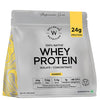 Whey Protein Isolate + Concentrate 24g | 1kg | 4B CFU Probiotics | Mango Flavoured
₹6,174 – ₹12,348
Whey Protein Isolate + Concentrate 24g | 1kg | 4B CFU Probiotics | Mango Flavoured
₹6,174 – ₹12,348
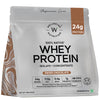 Whey Protein Isolate + Concentrate 24g | 1kg | 4B CFU Probiotics | Swiss Chocolate
₹6,174 – ₹12,348
Whey Protein Isolate + Concentrate 24g | 1kg | 4B CFU Probiotics | Swiss Chocolate
₹6,174 – ₹12,348
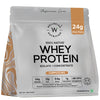 Whey Protein Isolate + Concentrate 24g | 1kg| 4B CFU Probiotics | Cappuccino
₹6,174 – ₹12,348
Whey Protein Isolate + Concentrate 24g | 1kg| 4B CFU Probiotics | Cappuccino
₹6,174 – ₹12,348
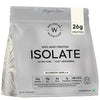 Whey Protein Isolate 26g | 1kg | 4B CFU Probiotics | Bourbon Vanilla
₹7,599 – ₹15,199
Whey Protein Isolate 26g | 1kg | 4B CFU Probiotics | Bourbon Vanilla
₹7,599 – ₹15,199
 Whey Protein Isolate 26g | 1kg | 4B CFU Probiotics | Dark Chocolate
₹7,599 – ₹14,724
Whey Protein Isolate 26g | 1kg | 4B CFU Probiotics | Dark Chocolate
₹7,599 – ₹14,724
 Whey Protein Isolate 26g | 2kg | 4B CFU Probiotics | Dark Chocolate
₹14,724 – ₹29,448
Whey Protein Isolate 26g | 2kg | 4B CFU Probiotics | Dark Chocolate
₹14,724 – ₹29,448
 Whey Protein Isolate 31g | 1kg | 4B CFU Probiotics | Unflavoured
₹7,599 – ₹14,724
Whey Protein Isolate 31g | 1kg | 4B CFU Probiotics | Unflavoured
₹7,599 – ₹14,724
 Whey Protein Isolate 31g | 2kg | 4B CFU Probiotics | Unflavoured
₹14,724 – ₹29,448
Whey Protein Isolate 31g | 2kg | 4B CFU Probiotics | Unflavoured
₹14,724 – ₹29,448