Weight loss is rarely about willpower alone. It is biology, hormones, hunger signals, and metabolism playing chess with your daily choices. If calories were the only story, nobody would struggle. But your body is smarter than a calorie-counting app. It negotiates, resists & adapts.
That’s where whey protein powder steps in like a quiet strategist. Not as a crash-diet shortcut, but as a tool that works with your physiology. It helps you feel full, protect muscle, and burn fat more efficiently.
Let’s decode the science behind whey protein powder for weight loss, and how choosing the right one can change your entire fat-loss experience.
What Makes Protein So Important

Protein is the most metabolically demanding macronutrient, meaning your body burns significantly more calories digesting protein than it does processing carbohydrates or fats, a phenomenon known as the thermic effect of food. But the real transformation happens inside your appetite-regulation network.
When you eat protein, your gut releases powerful hormones that orchestrate fullness and portion control:
GLP-1: Slows stomach emptying and enhances feelings of fullness, helping you stay satisfied long after your meal ends (NIH).
PYY: Acts as a natural appetite suppressant, reducing your desire to snack between meals (NIH).
CCK: Sends rapid “meal complete” signals to your brain, preventing overeating in the moment (NIH).
At the same time, protein lowers ghrelin, the hormone responsible for triggering hunger pangs, so cravings soften and meals feel more satisfying (NIH).
The result? You naturally eat less without feeling restricted, which explains why higher-protein diets consistently outperform low-protein approaches for sustainable fat loss.
Why Whey Protein Specifically?

Among all protein sources, whey stands out because it works with your biology, not against it. Its structure, digestion speed, and amino acid profile make it uniquely suited for fat loss and metabolic health.
Clinical research shows whey (NIH):
• Reduces food cravings by stabilizing blood sugar
• Lowers late-night snacking through prolonged fullness
• Improves portion control by enhancing satiety hormones
Compared to other protein sources:
• Whey absorbs faster, making it more effective for muscle preservation
• It contains higher leucine than most natural foods, directly supporting fat loss metabolism
• It produces stronger satiety responses than soy
• It supports recovery while still fitting into a calorie deficit
Whey does not just feed your muscles. It rewires your hunger biology, protects your metabolism, and makes fat loss feel sustainable instead of exhausting. That is why whey remains the gold standard protein for weight loss.
Achieving Fat Loss Without Muscle Loss
When most people see the scale drop, they assume it is all fat. In reality, a significant portion of that weight loss often comes from muscle tissue. This matters because muscle is not just for strength. It is metabolically active, meaning it burns calories around the clock. When you lose muscle:
• Your metabolic rate slows, so you burn fewer calories at rest
• Fat regain becomes easier because your energy needs decrease
• Body composition worsens, leaving you “skinny-fat” rather than lean
This is where whey protein powder for weight loss becomes essential. It supplies the amino acids your body needs to preserve lean muscle while you are in a calorie deficit (NIH).
In simple terms, whey sends a clear biological message: protect muscle and use stored fat for fuel instead. That is how you achieve a toned, sculpted look, not just a smaller number on the scale.
What to Avoid
Many “fitness” brands quietly pack their formulas with additives that interfere with fat loss, gut health, and metabolic balance.
Look for:
• Whey protein without sugar
Added sugar spikes blood glucose and insulin, pushing your body into fat-storage mode instead of fat-burning, which directly works against weight-loss goals.
• Whey protein without sucralose
Sucralose has been shown to alter gut microbiota and may impair glucose tolerance, making your body handle sugar less efficiently over time.
• Whey protein without sweeteners
Frequent exposure to sweet taste without calories can confuse your brain’s appetite signals, increasing cravings and making portion control harder.
• Whey protein without artificial sweeteners
Artificial sweeteners can overstimulate reward pathways in the brain, training you to crave sweeter foods and disrupting natural hunger cues.
• Whey protein without maltodextrin
Maltodextrin has a higher glycemic index than table sugar, meaning it spikes blood sugar rapidly, leading to crashes, stronger hunger signals, and increased fat storage.
When you are serious about fat loss, quality stops being optional. It becomes essential. The right protein should support your metabolism, not sabotage it with hidden sugars or artificial additives. That means choosing a whey that is clean, honest, and biologically aligned with your goals.
This is where Wellbeing Nutrition’s whey protein truly stands out.
• Built around clean-label nutrition, ensuring complete transparency and purity in every scoop
• Contains no artificial sweeteners, no sucralose, and no added sugar, helping keep insulin levels stable and fat-burning pathways active
• Formulated to be gut-friendly with digestive enzymes and probiotics, supporting smoother digestion and better nutrient absorption
• Uses premium-grade whey protein, delivering higher bioavailability and superior quality
• Helps preserve lean muscle, which is essential for maintaining a healthy metabolic rate during weight loss
• Represents whey protein without sweeteners done right, with no chemical aftertaste
• Delivers clean, functional nutrition designed to work with your body, not against it
In a Gist
Whey protein powder for weight loss works by increasing satiety hormones and lowering hunger signals, helping you naturally eat less without feeling deprived. It stabilizes blood sugar levels, preventing energy crashes that often trigger overeating. This makes portion control feel intuitive rather than forced.
One of the key whey protein powder benefits is its ability to preserve lean muscle during a calorie deficit. By protecting muscle tissue, whey keeps your metabolism active so you continue burning calories even at rest. This ensures fat loss happens without compromising strength or tone.
Whether whey protein is good or bad depends on its ingredient quality. Choosing whey protein without sugar, without sucralose, and without artificial sweeteners supports gut health and hormonal balance. Clean formulations help your body respond naturally to hunger cues, leading to sustainable results.
FAQs
1. Is whey protein powder good for weight loss?
Yes, whey protein powder for weight loss is effective because it increases satiety hormones, reduces hunger, and helps control calorie intake naturally. It also preserves lean muscle during dieting, keeping your metabolism active. This combination supports sustainable fat loss rather than temporary weight drop.
2. How does whey protein help burn fat?
Whey protein boosts the thermic effect of food, meaning your body burns more calories digesting it. It also stabilizes blood sugar, preventing energy crashes and cravings that lead to overeating. Over time, this improves fat oxidation and metabolic efficiency.
3. What are the main whey protein powder benefits?
Key whey protein powder benefits include appetite control, muscle preservation, improved metabolism, and better recovery after workouts. It helps you feel fuller for longer, reducing snacking and portion sizes. These effects make weight loss easier and more sustainable.
4. Is whey protein good or bad for daily use?
Whether whey protein is good or bad depends on its formulation. Clean whey without sugar or artificial additives supports metabolic health and digestion. Poor-quality whey with fillers may disrupt hormones and blood sugar balance.
5. Why choose whey protein without sugar or sweeteners?
Choosing whey protein without sugar, without sucralose, and without artificial sweeteners prevents insulin spikes and gut disruption. These additives can increase cravings and interfere with appetite regulation. Clean formulations support natural hunger control and stable energy levels.
6. Can whey protein help prevent muscle loss during dieting?
Yes, whey protein powder for weight loss supplies essential amino acids that protect lean muscle during calorie deficit. This prevents metabolic slowdown and helps maintain strength. Preserving muscle ensures fat loss looks toned rather than skinny.
7. Who should use whey protein for fat loss?
Whey protein is ideal for busy professionals, women managing hormonal weight changes, vegetarians struggling with protein intake, and anyone experiencing constant hunger while dieting. It supports both metabolic health and appetite control. This makes it suitable for beginners and fitness enthusiasts alike.

Recommended Products
 Whey Protein Concentrate 27g | 1kg | 4B CFU Probiotics | Unflavoured
₹4,749 – ₹9,498
Whey Protein Concentrate 27g | 1kg | 4B CFU Probiotics | Unflavoured
₹4,749 – ₹9,498
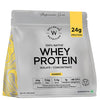 Whey Protein Isolate + Concentrate 24g | 1kg | 4B CFU Probiotics | Mango Flavoured
₹6,174 – ₹12,348
Whey Protein Isolate + Concentrate 24g | 1kg | 4B CFU Probiotics | Mango Flavoured
₹6,174 – ₹12,348
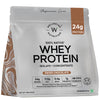 Whey Protein Isolate + Concentrate 24g | 1kg | 4B CFU Probiotics | Swiss Chocolate
₹6,174 – ₹12,348
Whey Protein Isolate + Concentrate 24g | 1kg | 4B CFU Probiotics | Swiss Chocolate
₹6,174 – ₹12,348
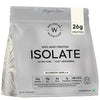 Whey Protein Isolate 26g | 1kg | 4B CFU Probiotics | Bourbon Vanilla
₹7,599 – ₹15,199
Whey Protein Isolate 26g | 1kg | 4B CFU Probiotics | Bourbon Vanilla
₹7,599 – ₹15,199