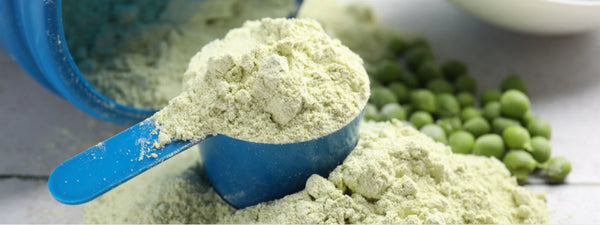
Whey protein powder has become the benchmark for daily protein intake. From athletes to wellness enthusiasts, it’s trusted for muscle recovery, metabolic support, and overall vitality.
Yet, alongside its popularity, questions continue to surface:
Does it cause bloating?
Can it interfere with hormones?
Is daily consumption truly safe?
Let’s decode the science behind whey protein powder side effects with clarity, not confusion.
What Is Whey Protein Powder?

Whey is the liquid fraction separated from milk during cheese production. Nutritionally, it stands apart because it is a complete protein, containing all nine essential amino acids.
What makes whey unique is its high leucine content, the amino acid that activates the mTOR pathway, triggering muscle protein synthesis. This is why whey is considered anabolic by nature.
In physiological terms:
-
Fast amino acid delivery to muscles
-
Strong protein synthesis signal
Benefits of whey protein are:
-
Faster Muscle Recovery: Whey delivers rapidly absorbed amino acids that repair micro-tears in muscle fibers after training. This accelerates recovery time and enhances long-term training adaptation (NIH).
-
Lean Muscle Growth: Its high leucine content activates the mTOR pathway, switching on muscle protein synthesis. This makes whey more effective at building lean mass compared to slower-digesting proteins (NIH).
-
Enhanced Satiety: Whey stimulates satiety hormones like GLP-1 and PYY, reducing hunger signals. This helps control calorie intake naturally without energy crashes (NIH).
-
Stronger Immunity: Whey is rich in cysteine, which boosts glutathione production, the body’s primary antioxidant defense. This strengthens immune resilience and reduces oxidative stress (NIH).
-
Metabolic Support: Whey improves insulin sensitivity, allowing better glucose uptake into muscle cells. This enhances nutrient partitioning and supports metabolic health (NIH).
This explains whey’s clinical recognition in performance nutrition.
Whey Protein Powder Side Effects
Whey Protein Powder Side Effects aren’t as common as social media suggests but understanding how the body digests and responds to whey makes all the difference. When chosen and used correctly, whey supports performance without compromising hormonal balance or gut health.
1. Digestive Discomfort

The most commonly reported issue with whey protein powder is bloating, but protein itself is rarely the real culprit. Certain whey varieties contain lactose, and individuals with low lactase enzyme activity are unable to digest it efficiently.
As a result, undigested lactose ferments in the gut, leading to gas, bloating, and abdominal cramps. This condition is known as carbohydrate malabsorption, not protein intolerance.
The scientific solution lies in choosing whey isolate where lactose is removed or pre-digested, significantly improving digestive tolerance.
2. Hormonal Impact: Myth vs Mechanism

Whey protein does not disrupt hormones. Clinical research shows no reduction in testosterone levels with whey consumption (NIH).
In fact:
-
Resistance training combined with adequate protein supports androgen signaling.
-
Protein deficiency is linked to lower testosterone.
Whey also stimulates insulin, but this response is physiologically beneficial. Insulin acts as a nutrient transporter, driving amino acids into muscle cells and enhancing recovery and tissue repair. This process supports an anabolic environment, rather than causing harm (NIH).
3. Acne & Skin Response
Some individuals may experience acne due to a mild elevation of IGF-1 and increased sebaceous gland activity. However, this response is genetically influenced and not universal. Choosing clean, high-quality whey formulas can help reduce inflammatory triggers that may worsen skin concerns (NIH).
4. Kidney Health

Protein intake does not damage healthy kidneys. Scientific consensus confirms that higher protein consumption is safe for healthy adults, and only individuals with pre-existing kidney disease require monitoring. Adequate hydration plays a protective role and supports optimal kidney function (NIH).
When chosen wisely and consumed correctly, whey protein supports performance without compromising digestion, hormones, or long-term health. The key lies in quality, moderation, and understanding individual tolerance, turning protein into a powerful ally, not a concern.
Why Tolerance Varies
Individual responses to whey protein powder are not one-size-fits-all. Tolerance is shaped by genetics, gut health, and how the protein is processed and consumed.
-
Genetics: Genetic differences influence lactase enzyme production, determining how efficiently lactose is digested. This explains why some individuals tolerate whey effortlessly while others experience discomfort.
-
Gut Microbiome: The composition of gut bacteria affects how nutrients are broken down and absorbed. A balanced microbiome improves protein digestion and reduces fermentation-related bloating.
-
Protein Processing Method: Highly filtered or hydrolyzed whey undergoes pre-digestion, making it easier to absorb. Poorly processed whey, on the other hand, retains lactose and irritants that stress the gut.
-
Timing of Intake: Consuming whey on an empty stomach may accelerate absorption but can trigger discomfort in sensitive individuals. Pairing it with meals slows digestion and improves tolerance.
Side effects are contextual, not universal, and depend on how these factors interact within the body.
How to Minimize Whey Protein Powder Side Effects

Managing whey protein powder side effects isn’t about eliminating whey, it’s about using it intelligently. With the right quality, timing, and dosage, digestion and tolerance improve naturally.
-
Start with small servings to allow the digestive system to adapt gradually and prevent sudden discomfort.
-
Consume whey with meals initially, as this slows digestion and improves tolerance.
-
Choose whey isolate, since these forms are low in lactose and easier to digest.
-
Avoid artificial sweeteners and fillers which can irritate the gut and worsen bloating in sensitive individuals.
-
Maintain proper hydration to support digestion and nutrient absorption.
-
Support gut health with probiotics and fiber to improve overall protein tolerance.
A highly effective way to minimize whey protein powder side effects is to choose a high-quality formulation like Wellbeing Nutrition Whey Protein, designed for maximum absorption and gentle digestion.

✔ Native, undenatured, cold processed and microfiltered whey protein for maximum efficacy
✔ Clean-label formulation with no fillers or artificial ingredients
✔ Fast-digesting and gut-friendly
✔ Superior amino acid profile for optimal muscle support

This is not just protein. This is precision nutrition formulated for results and comfort.
The Bottom Line
Whey protein powder side effects are seldom caused by whey itself and are usually linked to factors such as poor-quality formulations, lactose sensitivity, or excessive intake. Selecting a clean, high-quality whey ensures optimal results with minimal digestive or metabolic stress.
Opting for Wellbeing Nutrition Whey Protein goes beyond ordinary supplementation, it represents science over shortcuts, delivering performance, recovery, and tolerance in one precise formula.
FAQs
1. What are the common side effects of whey protein powder?
The most commonly reported side effects include bloating, gas, mild digestive discomfort, and occasional acne in genetically predisposed individuals. These effects are typically linked to lactose content, protein quality, or overconsumption rather than whey itself.
2. Does whey protein powder cause hormonal imbalance?
No, whey protein powder does not disrupt hormones. It may slightly stimulate insulin, which is beneficial for amino acid transport and muscle recovery, while resistance training combined with adequate protein supports healthy testosterone levels.
3. Can whey protein lead to kidney damage?
For healthy adults, whey protein powder does not cause kidney damage. Only individuals with pre-existing kidney conditions should monitor intake, and proper hydration helps maintain kidney function.
4. Why does whey protein cause digestive discomfort in some people?
Digestive issues are often due to lactose intolerance, gut microbiome composition, or the type of whey consumed. Choosing low-lactose options like whey isolate significantly improves tolerance.
5. How can whey protein powder affect skin and acne?
Some individuals may experience acne due to mild increases in IGF-1 and sebaceous gland activity. High-quality, clean whey formulas reduce inflammatory triggers and minimize potential skin issues.
6. How can side effects from whey protein be minimized?
Side effects can be minimized by starting with small servings, consuming whey with meals, choosing isolate whey, avoiding artificial sweeteners, maintaining hydration, and supporting gut health with probiotics and fiber.
7. What makes Wellbeing Nutrition Whey Protein different?
Wellbeing Nutrition Whey Protein is formulated for maximum absorption and minimal irritation, with a native, cold-processed, microfiltered whey source, clean-label ingredients, and a superior amino acid profile. It delivers faster recovery, better muscle response, and sustainable daily use without bloating or discomfort.

Recommended Products
 Whey Protein Isolate + Concentrate 24g | 1kg | 4B CFU Probiotics | Mango Flavoured
₹6,174 – ₹12,348
Whey Protein Isolate + Concentrate 24g | 1kg | 4B CFU Probiotics | Mango Flavoured
₹6,174 – ₹12,348
 Whey Protein Isolate + Concentrate 24g | 1kg | 4B CFU Probiotics | Swiss Chocolate
₹6,174 – ₹12,348
Whey Protein Isolate + Concentrate 24g | 1kg | 4B CFU Probiotics | Swiss Chocolate
₹6,174 – ₹12,348
 Whey Protein Isolate + Concentrate 24g | 1kg| 4B CFU Probiotics | Cappuccino
₹6,174 – ₹12,348
Whey Protein Isolate + Concentrate 24g | 1kg| 4B CFU Probiotics | Cappuccino
₹6,174 – ₹12,348
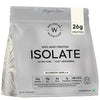 Whey Protein Isolate 26g | 1kg | 4B CFU Probiotics | Bourbon Vanilla
₹7,599 – ₹15,199
Whey Protein Isolate 26g | 1kg | 4B CFU Probiotics | Bourbon Vanilla
₹7,599 – ₹15,199