





For many of us, coffee is more than a beverage; it's a ritual. It wakes us up, sets the tone for our day, and gives us that comforting “me-time” before the chaos begins. But lately, there’s been a growing trend in the wellness world that’s taking morning routines up a notch: adding collagen peptides to coffee.
From glowing skin and healthier joints to stronger hair and nails, collagen promises a range of benefits and mixing it into your morning brew seems like the simplest way to get a daily dose. But how effective is this combo, really? Does coffee impact collagen’s performance? And are there smarter ways to support your body’s collagen levels?
Let’s dive into the facts, explore how collagen and coffee work together, and uncover what you can do besides sipping your latte to get the most out of this powerful protein.
What Collagen Does for You?
Collagen is the most abundant protein in your body. It’s the “scaffolding” that holds your skin, joints, bones, and connective tissues together. But as you age, especially after your mid-20s, your natural collagen production starts to slow down. [NIH] That’s when you may begin noticing signs like:
-
Fine lines and sagging skin [NIH]
-
Joint stiffness [NIH]
-
Thinning hair [ScienceDirect]
-
Brittle nails [NIH]
By supplementing with hydrolyzed collagen peptides, you give your body the raw materials it needs to repair and rebuild collagen-rich tissues. Studies show consistent use can improve skin hydration and elasticity, reduce wrinkles, and even support joint and gut health.
Collagen in Coffee: Just a Trend or Actually Smart?
The idea of putting collagen in coffee might sound strange at first. But it actually makes a lot of sense. Collagen peptides (the type commonly used in supplements) are hydrolyzed, meaning they’ve been broken down into smaller amino acids for better absorption. They’re also heat-stable, which means they won’t lose their efficacy when added to hot liquids.
Having said that, there’s some confusion online about whether caffeine interferes with collagen synthesis. While test-tube studies show caffeine may inhibit collagen production in isolated cells, there’s no strong evidence to suggest your morning coffee ruins your collagen goals.
So, if you’re wondering whether your coffee is ruining your collagen supplement, the short answer is no. You can stir collagen into hot or cold drinks, and it will still deliver the same benefits.
Other Smarter Ways to Take Collagen
While coffee is convenient, it's not the only vehicle for collagen. To get creative and possibly better results try mixing collagen peptides into:
-
Smoothies (with berries and greens for vitamin C)
-
Warm teas or matcha
-
Bone broth
-
Oatmeal or overnight oats
-
Yogurt or chia puddings
-
Soups or stews (just stir in after cooking)
Rotating how and when you take collagen keeps things interesting and helps you pair it with complementary nutrients that improve absorption.
The Key to Better Absorption: Pair with Vitamin C

One crucial thing to remember: Your body needs vitamin C to actually use collagen peptides effectively. This essential nutrient plays a big role in converting collagen’s amino acids into new fibers in your skin, joints, and tissues.
To boost your collagen results:
-
Add lemon or orange juice to your morning routine.
-
Include berries, bell peppers, or kiwi in your breakfast.
-
Take a collagen supplement that’s already blended with vitamin C (like Wellbeing Nutrition’s Glow or Beauty Collagen with added hyaluronic acid, glutathione, and antioxidants).
Collagen-Supportive Foods You Should Be Eating

Collagen supplements are great, but supporting your body from the inside out requires the right nutrition too. Make sure your diet includes:
-
Protein-rich foods: Eggs, chicken, fish (with skin), tofu, and beans provide amino acids like glycine and proline.
-
Vitamin C-rich foods: Citrus fruits, bell peppers, berries, broccoli, and tomatoes.
-
Zinc and copper: Found in nuts, seeds, legumes, and shellfish, these minerals are essential for collagen production.
-
Antioxidants: Leafy greens, green tea, and dark chocolate help protect existing collagen from oxidative damage.
And try to limit sugar, alcohol, smoking, and excess sun exposure; this speeds up collagen breakdown and skin aging.
Choosing the Right Collagen Supplement
Not all collagen powders are created equal. Look for clean, sustainably sourced marine collagen or grass-fed bovine collagen peptides that are hydrolyzed for easy absorption.
Wellbeing Nutrition’s Pure Collagen Peptides are an excellent option. Made from wild-caught Korean marine collagen, these powders come in delicious flavors like Tropical Berry and Mango Peach, with added vitamin C, hyaluronic acid, and biotin for better results.
They’re easy to mix into any drink or meal and are free from artificial additives, sugar, and gluten, making them a clean, effective way to support your beauty and wellness goals.
Lifestyle Habits That Help Your Body Build More Collagen
Supplements alone won’t do it all. To truly support your body’s collagen levels, you need to build a collagen-friendly lifestyle:
-
Stay hydrated: Dehydration reduces skin elasticity and plumps.
-
Protect your skin: Use sunscreen daily to prevent UV-induced collagen breakdown.
-
Get enough sleep: Most of your skin’s repair and regeneration happens overnight.
-
Exercise regularly: Boosts blood flow and supports tissue repair.
-
Reduce stress: Chronic stress increases cortisol, which can interfere with collagen synthesis.
Bonus: Retinol creams, exfoliation, and treatments like micro needling can also stimulate natural collagen production topically.
Final Takeaway: Is Collagen Coffee Worth It?
If you’re already drinking coffee, adding collagen peptides is an easy, effective upgrade to your morning routine. It won’t interfere with your brew, it mixes seamlessly, and it gives you a daily dose of skin, joint, and gut support, all in one sip.
But the real magic happens when you combine collagen supplements with:
-
A nutrient-rich, antioxidant-packed diet
-
Consistent hydration
-
Smart lifestyle habits
-
And ingredients like vitamin C and hyaluronic acid
So yes, collagen with coffee can be a smart way to start your day, as long as it’s part of a bigger wellness picture.

Recommended Products
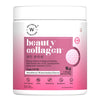 Beauty Collagen Strawberry Watermelon Flavour
₹1,899 – ₹6,797
Beauty Collagen Strawberry Watermelon Flavour
₹1,899 – ₹6,797
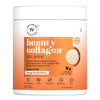 Beauty Korean Marine Collagen Peptides Mango Peach Flavour
₹1,899 – ₹6,797
Beauty Korean Marine Collagen Peptides Mango Peach Flavour
₹1,899 – ₹6,797
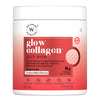 Glow Korean Marine Collagen Peptides
₹1,899 – ₹6,797
Glow Korean Marine Collagen Peptides
₹1,899 – ₹6,797
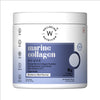 Korean Marine Collagen - Blueberry Mint
₹734 – ₹1,469
Korean Marine Collagen - Blueberry Mint
₹734 – ₹1,469













 DOWNLOAD NOW

