You finally crawl into bed, exhausted. You’ve tried cutting caffeine, staying off screens, even meditating but sleep still feels out of reach. So, you reach for that familiar melatonin again. It works, mostly. But lately, you’re wondering: Is Melatonin Safe?
You’re not alone. Millions of people worldwide rely on melatonin as their go-to sleep fix. But here’s what most don’t realize: melatonin isn’t a sleeping pill, it’s a hormone your body naturally produces to signal that it’s time for rest. Using it correctly can help reset your body clock. Using it carelessly can confuse it.
So, Is It Safe to Take Melatonin Daily? Or are you accidentally teaching your body to forget how to sleep on its own? Let’s unpack the science.
What Exactly Is Melatonin?
Melatonin is a hormone produced by the pineal gland in response to darkness. Think of it as your body’s internal “sleep switch.” As light fades, melatonin levels rise, body temperature drops, and your brain prepares for sleep.
But exposure to blue light from screens, irregular work hours, jet lag, and stress can all delay this natural rhythm, causing what scientists call “circadian misalignment.” That’s were melatonin supplements step in, to nudge your body back into sync with its natural clock.
Unlike sedatives that force your brain into sleep, melatonin simply reminds it when to sleep. And that distinction makes it one of the most fascinating (and safest) tools for managing sleep issues when used correctly.
Once consumed, melatonin quickly enters the bloodstream and binds to receptors in the suprachiasmatic nucleus (SCN), the brain’s master clock. These receptors regulate the timing of sleep, body temperature, and hormone release.
In clinical trials, even small doses (0.3–5 mg) have been shown to advance sleep onset, shorten the time it takes to fall asleep, and improve sleep quality in people with insomnia or disrupted sleep schedules. (NIH)
A study found that melatonin improved sleep efficiency by 56% in adults with chronic insomnia compared to placebo (NIH). Similarly, another randomized study showed that in patients with sleep apnea and insomnia, melatonin reduced insomnia severity by 47% but also reduced day-time sleepiness by 43% (NIH).
These results confirm that melatonin doesn’t “knock you out.” Instead, it aligns your biology with your bedtime.
The Truth About Daily Melatonin: Timing, Safety, and Smart Use
If melatonin is natural, why not take it daily?
Here’s the catch: melatonin works best as a signal amplifier, not a sleep crutch.
Your body already produces micro-quantities of it (roughly 0.1–0.3 mg per night) to trigger sleep onset. When you take high doses or use it at the wrong time, it can confuse your circadian rhythm, leaving you groggy the next morning or dependent on external cues for sleep.
In one clinical study on night-shift nurses, 3 mg of melatonin helped participants fall asleep faster after late shifts but only when taken immediately after work, not before it (NIH). That’s how timing-sensitive melatonin is. When taken at the wrong moment, it may actually push your sleep window later instead of earlier.
So, Is It Safe to Take Melatonin Daily?
For most healthy adults, yes, short-term daily use is considered safe. Studies lasting up to 12 weeks report no major side effects or withdrawal symptoms upon discontinuation. But here’s where nuance matters:
-
Long-term safety data (beyond 6 months) are still limited.
-
Children, pregnant women, and those on medications should always seek medical guidance before using it.
-
And perhaps most importantly timing and dosage matter more than frequency.
Melatonin doesn’t cause physiological addiction, but it can lead to psychological dependence if you start associating sleep solely with a supplement. The goal isn’t to replace your natural rhythm, it’s to retrain it.
When used strategically, melatonin acts like a reset button for your internal clock, helping your body remember how to fall asleep naturally again.
How to Take Melatonin the Right Way
To get the best results and minimize side effects, here’s how to take melatonin smartly:
1. Time It Right
Take melatonin 30–60 minutes before bedtime, ideally at the same time each night. This helps your body build a consistent sleep-wake rhythm.
2. Start Low, Go Slow
Begin with a low dose: 0.3 mg to 1 mg. For most people, more isn’t better. High doses can linger in the bloodstream and cause next-day grogginess.
3. Choose Advanced Delivery Formats
Oral dissolvable melatonin strips are absorbed directly through the mucous membranes, bypassing digestion for faster onset. This mimics your body’s natural melatonin surge more effectively than standard tablets.
4. Pair It Right
Combining melatonin with nutrients like vitamin B12 and vitamin D3 can further support circadian alignment and energy balance. These vitamins help regulate cellular energy and mood, factors that influence your sleep quality the next day.
5. Protect Your Natural Rhythm
Melatonin supplements are a cue, not a cure. Keep your sleep hygiene strong: dim lights at night, avoid screens before bed, and maintain a consistent bedtime routine.
Possible Side Effects and Myths
Most people tolerate melatonin well, but mild effects can occur:
-
Morning drowsiness or vivid dreams (usually from higher doses).
-
Headache or mild nausea.
-
Hormonal changes if misused over long periods.
Common myths include:
❌ “Melatonin knocks you out instantly.”
→ It helps initiate sleep, not sedate.
❌ “Higher doses mean better sleep.”
→ Once receptors are saturated, extra melatonin adds no benefit and may delay wakefulness.
❌ “It’s unsafe to take every night.”
→ When used properly, melatonin is one of the safest non-prescription sleep aids known, with decades of research backing its use.
Closing Thoughts
Melatonin isn’t a magic sleep switch, it’s part of your body’s natural rhythm. When used intentionally, it simply reminds your system when it’s time to unwind, repair, and recharge.
The key lies in balance, not excess. Use melatonin for a few weeks to realign your internal clock, combine it with consistent sleep habits, and opt for a clinically-backed, fast-absorbing format (Melatonin 10mg or Melatonin 5mg) that mirrors your body’s natural melatonin cycle.
So, the next time you reach for that bedtime strip or gummy, think of it as a gentle nudge, not a quick fix. Because true, restorative sleep doesn’t come from taking more, it comes from helping your body remember how to rest on its own.
FAQ
1. Is Melatonin Safe to Take Every Night?
For most healthy adults, short-term daily use of melatonin is safe. Studies lasting up to 12 weeks show no major side effects or withdrawal symptoms after stopping. However, long-term data beyond six months is limited. To stay safe, use melatonin as a short-term tool to reset your sleep cycle rather than as a nightly habit.
2. What Is the Best Time to Take Melatonin for Sleep?
Take melatonin 30–60 minutes before bedtime, ideally at the same time each night. This timing helps your body associate the supplement with your natural sleep cycle, reinforcing healthy circadian rhythms. For shift workers, timing is even more crucial, it should be taken right after a night shift, not before work.
3. How Much Melatonin Should I Take?
Start low, 0.3 mg to 1 mg is often enough to trigger your body’s sleep response. Higher doses (like 3–5 mg) don’t necessarily work better and may cause grogginess or vivid dreams. The goal is to mimic your body’s natural melatonin release, not flood your system.
4. Can You Get Addicted to Melatonin?
Melatonin doesn’t cause physical addiction or withdrawal. However, psychological dependence can form if you start to believe you can’t sleep without it. The healthiest approach is to use it as a training tool to help your body relearn its natural rhythm not as a permanent sleep aid.
5. What Are the Side Effects of Taking Melatonin Daily?
Melatonin is generally well-tolerated, but mild side effects like morning drowsiness, headaches, nausea, or vivid dreams can occur, especially at higher doses or inconsistent timing. Reducing your dose or switching to a fast-absorbing oral strip can help minimize these effects.
6. Can I Take Melatonin with Other Supplements Like Vitamin D3 or B12?
Yes. Combining melatonin with vitamin D3 and vitamin B12 may enhance circadian balance, mood, and daytime energy. These vitamins support cellular energy and neurotransmitter function, both key to restoring natural sleep-wake patterns.
7. How Long Should I Take Melatonin Supplements?
Experts recommend using melatonin for a few weeks to a few months, just long enough to reset your sleep rhythm. During that time, focus on improving sleep hygiene: consistent bedtime, limiting screens, and keeping lights dim in the evening. Once your body adjusts, you can taper off gradually.

Recommended Products
 Restful Sleep (5mg)
₹649 – ₹1,298
Restful Sleep (5mg)
₹649 – ₹1,298
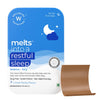 Restful Sleep Melts (10mg)
₹649 – ₹1,298
Restful Sleep Melts (10mg)
₹649 – ₹1,298