If you’ve ever tried a scoop of whey protein powder, you’ve probably wondered: should I mix it with milk or water? Is there a real difference? And what does it mean for my muscle gains, digestion, or even daily energy levels? You’re not alone, this is one of the most common questions among fitness enthusiasts and beginners alike. Let’s break it down in a simple, everyday way.
Understanding Whey Protein
First, a little background. Whey protein is a high-quality protein derived from milk during the cheese-making process. It contains all nine essential amino acids and is quickly absorbed by the body, making it ideal for post-workout recovery and daily protein supplementation. There are different types:
-
Whey Protein Isolate – ultra-pure, fast-absorbing, low in carbs and fat. Perfect for those focused on lean muscle gain or weight management.
-
Whey Protein Concentrate – slightly higher in fat and carbs, but still packed with protein. Great for general fitness or bulking phases.
-
Isolate + Concentrate blends – a combination designed to offer the benefits of both types.
All forms of whey protein powder support muscle recovery, protein synthesis, and overall fitness goals. But how you mix them—milk or water—can influence digestion, absorption, and taste.
Whey Protein with Milk

Mixing whey protein with milk is the classic approach, and for a good reason. Milk adds creaminess, flavor, and extra nutrients. Here’s what happens when you choose milk:
-
Slower absorption: Milk contains casein, a protein that digests slowly. This slows down the absorption of whey protein, providing a sustained release of amino acids. It’s ideal for prolonged muscle recovery or as a post-workout meal if you don’t plan to eat for a while.
-
Extra nutrients: Milk adds calcium, vitamin D, and some additional protein to your shake. It’s a great option if you’re looking to boost overall nutrient intake.
-
Taste: Let’s be honest milk makes your shake creamier and more satisfying. Many people find it more enjoyable, which makes it easier to stick to a regular routine.
However, if you’re lactose intolerant or sensitive to milk, it could cause bloating or digestive discomfort.
Whey Protein with Water

On the flip side, mixing whey protein with water has its own set of advantages:
-
Faster absorption: Water doesn’t contain any other proteins or fats, so your whey protein is absorbed quickly. This makes it ideal immediately post-workout when your muscles need amino acids fast for repair and growth.
-
Lower calories: If you’re tracking your intake or on a calorie deficit, water keeps your shake lean. No extra fat or carbs from milk.
-
Digestive comfort: For many, water is gentler on the stomach.
The downside? The taste is thinner and less creamy. But for some, the efficiency and speed of absorption outweigh the flavor.
Whey Protein Is Best with Water or Milk?

So, which is better? Honestly, it depends on your goal:
-
If your goal is lean muscle and quick recovery, post-workout, water is your best friend.
-
If your goal is sustained muscle growth, added calories, or a filling snack, milk is a great option.
-
If you’re flexible, alternating based on timing and convenience works perfectly. Some people use water right after training and milk for their morning or evening shakes.
Bottom line: whey protein with milk or water both work, but choosing the right liquid depends on your fitness objectives, digestion, and taste preferences.
Other Tips for Using Whey Protein Powder
-
Timing matters: Ideally, consume whey protein within 30–60 minutes after a workout to maximize muscle protein synthesis.
-
Consistency over perfection: Whether it’s milk or water, daily protein intake matters more than the exact timing or liquid.
-
Mixing is important: Use a blender or shaker bottle to avoid clumps and ensure smooth texture.
-
Add-ins: For taste and nutrition, try adding fruits, nuts, or a pinch of cinnamon. Avoid too much sugar.
Premium Whey Protein Options
If you are looking for clean, ultra-pure whey, Wellbeing Nutrition’s range of Whey Protein Isolate, Concentrate, and Isolate + Concentrate is a great option.
-
Ultra-pure and fast-absorbing: Microfiltered whey sourced directly from milk, not a by-product of cheese, and processed at low temperatures without acids or bleach to preserve protein integrity.
-
Digestive support: Natural enzymes Bromelain from pineapple and Papain from papaya help break down protein for easier digestion.
-
Gut-friendly: 4B CFU probiotics including Lactobacillus acidophilus and Bifidobacterium longum support healthy gut microflora.
-
Delicious and convenient: Instantized with sunflower lecithin, naturally sweetened with monk fruit, and infused with premium alkalized cocoa from Switzerland for smooth, flavorful shakes.
-
Added benefits: Infused with Velositol®, a complex of amylopectin and chromium that doubles protein synthesis in just 8 weeks.
Whether you mix it with water for rapid absorption or milk for a creamy, nutrient-rich shake, this whey protein delivers clean, complete nutrition to fuel your muscles, recovery, and everyday performance.
Practical Tips for Everyday Life
-
Busy mornings: Mix your whey protein powder with water for a quick shake before work.
-
Post-workout recovery: Use water immediately after exercise for fast absorption.
-
Meal replacement or snack: Mix with milk, add fruits or oats, and enjoy a nutrient-dense, filling option.
-
For taste and compliance: Don’t underestimate the power of a shake that tastes good consistency matters more than perfection.
Takeaway
At the end of the day, the question isn’t “whey protein with milk or water?”—it’s “what works best for me?” Both options provide high-quality protein and essential amino acids. Water is ideal for fast absorption and post-workout recovery, while milk adds nutrients, calories, and sustained amino acid release.
Pair your whey protein powder with your lifestyle and goals. And if you want a premium, scientifically backed option, Wellbeing Nutrition’s whey protein isolate, whey protein concentrate, and isolate + concentrate blends give you unmatched purity, taste, and results.
Whether you mix with water or milk, the important thing is to make whey protein a consistent part of your routine. Your muscles, energy, and overall health will thank you.

Recommended Products
 Whey Protein Concentrate 27g | 1kg | 4B CFU Probiotics | Unflavoured
₹4,749 – ₹9,498
Whey Protein Concentrate 27g | 1kg | 4B CFU Probiotics | Unflavoured
₹4,749 – ₹9,498
 Whey Protein Isolate 26g | 1kg | 4B CFU Probiotics | Dark Chocolate
₹7,599 – ₹14,724
Whey Protein Isolate 26g | 1kg | 4B CFU Probiotics | Dark Chocolate
₹7,599 – ₹14,724
 Whey Protein Isolate 26g | 1kg | 4B CFU Probiotics | Bourbon Vanilla
₹7,599 – ₹15,199
Whey Protein Isolate 26g | 1kg | 4B CFU Probiotics | Bourbon Vanilla
₹7,599 – ₹15,199
 Whey Protein Isolate 31g | 1kg | 4B CFU Probiotics | Unflavoured
₹7,599 – ₹14,724
Whey Protein Isolate 31g | 1kg | 4B CFU Probiotics | Unflavoured
₹7,599 – ₹14,724
 Whey Protein Isolate + Concentrate 24g | 1kg | 4B CFU Probiotics | Mango Flavoured
₹6,174 – ₹12,348
Whey Protein Isolate + Concentrate 24g | 1kg | 4B CFU Probiotics | Mango Flavoured
₹6,174 – ₹12,348
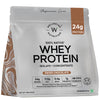 Whey Protein Isolate + Concentrate 24g | 1kg | 4B CFU Probiotics | Swiss Chocolate
₹6,174 – ₹12,348
Whey Protein Isolate + Concentrate 24g | 1kg | 4B CFU Probiotics | Swiss Chocolate
₹6,174 – ₹12,348
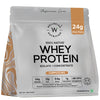 Whey Protein Isolate + Concentrate 24g | 1kg| 4B CFU Probiotics | Cappuccino
₹6,174 – ₹12,348
Whey Protein Isolate + Concentrate 24g | 1kg| 4B CFU Probiotics | Cappuccino
₹6,174 – ₹12,348