You notice it first in the shower.
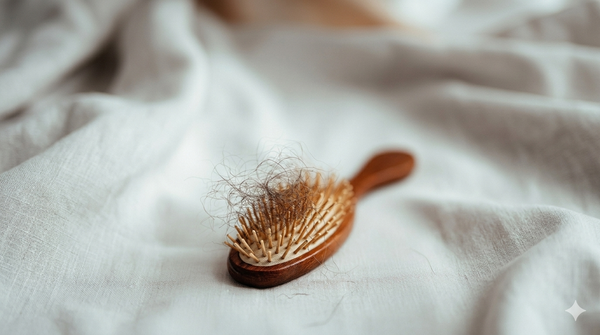
A few more strands around the drain. More hair on your pillow. Maybe your parting looks a little wider than it used to.
And suddenly, every strand on your brush feels personal.
Hair fall can have many causes. Stress, illness, hormonal changes, rapid weight loss, restrictive diets, certain medications and nutritional deficiencies can all affect the hair growth cycle. Telogen effluvium, a common form of excessive shedding, can occur after physical or metabolic stress, including major stress, illness, crash dieting, low protein intake and iron deficiency. [NIH]
Then there are the everyday stressors. Long workdays, irregular meals, highly processed convenience foods and diets that lack variety can make it surprisingly easy to fall short on nutrients your hair needs.
Pollution and environmental exposure may also contribute to oxidative stress around the hair and scalp, although research directly connecting everyday pollution with human hair loss is still developing. [NIH]
So, if you are searching for food for hair growth, where do you actually start?
Your plate.
Hair follicles are highly active structures that require energy, amino acids, vitamins and minerals. When your diet consistently falls short, nutritional inadequacy can become one piece of the hair-loss puzzle.
The goal is not to find one magical best food for hair growth.
It is to consistently eat a variety of foods good for hair growth that supply the nutrients your follicles need.

Here are 10 nutrients worth paying attention to.
1. Protein: the foundation of food for hair growth
If breakfast is mostly coffee and toast, lunch is a quick bowl of rice, and protein only appears at dinner, there may be an easy nutritional upgrade waiting for you.
Hair is largely composed of keratin, a structural protein. Severe protein-calorie malnutrition can affect hair structure and the hair growth cycle, while low protein intake is recognised as a possible trigger for excessive shedding. [NIH]
That makes protein one of the most important places to start when looking at protein rich food for hair growth.
Protein foods for hair growth
-
Eggs
-
Greek yogurt and curd
-
Paneer
-
Fish
-
Chicken
-
Tofu and soy
-
Lentils
-
Chickpeas
-
Beans
-
Nuts and seeds
Easy upgrade: Add eggs or Greek yogurt to breakfast, dal or beans to lunch, and paneer, tofu, fish or chicken to dinner.
Rather than looking for one best food for thick hair growth, make protein a regular part of every major meal.
2. Iron: a nutrient your hair follicles need
Iron helps your body make haemoglobin, the protein in red blood cells that carries oxygen. Iron deficiency has also been associated with hair shedding, although hair loss has multiple possible causes and low iron should be confirmed rather than assumed. [NIH]
Foods to eat for hair growth that contain iron
Plant sources include lentils, beans, chickpeas, spinach and pumpkin seeds. Meat and seafood provide highly absorbable forms of iron.
There is also a simple food pairing worth remembering:
Iron-rich plant food + vitamin C → improved non-heme iron absorption
Vitamin C improves the absorption of non-heme iron found in plant foods. [NIH]
So try dal with lemon, chickpeas with bell peppers or a guava alongside your meal.
3. Zinc: small mineral, important jobs
Zinc is involved in hundreds of enzymatic reactions, including processes involved in DNA synthesis, protein synthesis, cell division and tissue repair. Zinc deficiency can also cause hair loss. [NIH]
Healthy food for hair growth: where to get zinc
Pumpkin seeds, eggs, dairy, lentils, chickpeas, meat, seafood and whole grains can all contribute zinc.
Easy upgrade: Sprinkle pumpkin seeds over yogurt, oats or salads.
If you primarily eat plant-based foods, preparation matters too. Soaking and cooking legumes and grains can reduce phytate levels and improve mineral availability. [NIH]
4. Vitamin D: more than a sunshine vitamin
Vitamin D receptors are present in hair follicles, and vitamin D has been investigated in several hair-loss conditions. Research suggests an association between vitamin D status and certain forms of hair loss, although this does not mean vitamin D supplements automatically improve hair growth in everyone. [NIH]
Food sources of vitamin D are relatively limited. Fatty fish, egg yolks, cheese and UV-exposed mushrooms can contribute to intake. [NIH]
Easy upgrade: Include salmon, sardines, eggs or fortified foods in your weekly routine.
5. Vitamin C: one of the most useful foods for hair growth support
Vitamin C has two particularly useful roles here. It is involved in collagen synthesis and helps improve the absorption of plant-based iron. [NIH]
Vitamin C foods for hair growth
Guava, amla, oranges, kiwi, strawberries, tomatoes, bell peppers and broccoli are excellent food sources.
Try this simple combination:
Rajma + bell peppers + guava
You get protein and iron from the legumes, vitamin C from the peppers and fruit, plus plenty of fibre.
That is a much more useful approach to natural food for hair growth than chasing one isolated ingredient.
6. Vitamin A: important for normal cell growth
Vitamin A supports cell growth and differentiation and helps maintain normal tissues. Good food sources include leafy greens, carrots, sweet potatoes, mangoes, eggs and dairy.
Easy upgrade: Add spinach to eggs, carrots to salads or roasted sweet potato to a meal.
But here is the part that often gets missed in conversations about hair nutrition: more is not always better.
Excessive intake of preformed vitamin A can actually contribute to hair loss. [NIH]
So the goal is nutritional adequacy, not megadosing.
7. Biotin: famous for hair, but often overhyped
Biotin is involved in carbohydrate, fat and protein metabolism. Severe biotin deficiency can cause hair thinning and hair loss, but genuine deficiency is rare in people consuming a varied diet. Evidence that high-dose biotin improves hair in people who are not deficient is limited. [NIH]
Foods good for hair growth that contain biotin
Eggs, nuts, seeds, fish, meat, sweet potatoes, spinach and broccoli can provide biotin.
So if your hairbrush is suddenly collecting more strands, reaching immediately for a mega-dose biotin supplement may not be the answer.
First, look at the bigger nutritional picture.
8. B12 and folate: nutrients involved in cell production
Hair follicles are active structures that continuously produce cells. Folate is required for DNA synthesis and cell division, while vitamin B12 is required for DNA synthesis and healthy red blood cell formation. [NIH] [NIH]
Food for hair growth and thickness: B12 and folate sources
Folate: spinach, beans, peas, asparagus, broccoli, oranges and peanuts.
Vitamin B12: eggs, milk, yogurt, fish, meat and fortified foods.
People following vegetarian or vegan diets should pay particular attention to B12 because naturally occurring B12 is found primarily in animal foods, while plant foods generally need to be fortified to provide it.
9. Omega-3 fatty acids: add healthy fats to your hair nutrition routine
Omega-3 fatty acids include ALA, EPA and DHA. ALA is found mainly in plant foods such as flaxseeds, chia seeds and walnuts, while EPA and DHA are found primarily in seafood.
Foods to eat for hair growth that provide omega-3s
-
Salmon
-
Sardines
-
Mackerel
-
Chia seeds
-
Ground flaxseeds
-
Walnuts
Easy upgrade: Add ground flaxseed to oats or yogurt, or include fatty fish in your weekly meal rotation.
Omega-3s are important nutrients, but evidence that eating more omega-3 directly increases hair growth is still limited. Think overall nutrition rather than a single nutrient as a hair-growth shortcut.
10. Selenium: a little really does go a long way
Selenium is required for proteins involved in antioxidant defence and thyroid hormone metabolism. Seafood, meat, poultry, eggs, dairy and grains can contribute selenium.
Brazil nuts are particularly rich in selenium, but their selenium content can vary considerably. Excess selenium can cause hair and nail abnormalities, among other effects. [NIH]
So, once again, more is not necessarily better.
How nutrients support the hair growth cycle

The takeaway? There is no single best food for hair growth. Hair nutrition works as a pattern.
What about supplements for hair growth?
Food should form the foundation, but supplements can be useful when your diet has nutritional gaps or testing identifies a deficiency.
Depending on individual needs, options can include multivitamins capsules, targeted nutrients, hair fall control strips or healthy hair strips.
A beauty collagen powder or collagen powder can provide collagen peptides and amino acids, but collagen is not a substitute for adequate protein, iron, zinc, vitamins and overall dietary variety.
The important part is not to randomly stack supplements.
Especially with nutrients such as iron, vitamin A, selenium and biotin, more is not automatically better.
7 everyday habits that support healthy hair
Nutrition is only one part of the equation.
1. Eat enough protein
Include a protein source at every major meal.
2. Avoid crash diets
Sudden calorie restriction and rapid weight loss can trigger excessive shedding.
3. Build colourful meals
Different fruits and vegetables bring different vitamins, minerals and plant compounds.
4. Pair plant iron with vitamin C
Lentils + lemon. Chickpeas + peppers. Beans + guava.
5. Do not overdo supplements
Correct a deficiency rather than assuming more nutrients mean more hair.
6. Prioritise sleep and stress management
Major physical or psychological stress can affect the hair cycle. PubMed
7. Investigate persistent shedding
Sudden, prolonged or patchy hair loss deserves professional evaluation rather than endless experimentation with products.
Key takeaways for better hair nutrition
-
Protein is foundational. Eggs, dairy, fish, soy, lentils and beans are practical protein foods for hair growth.
-
Iron, zinc, vitamin D and B vitamins matter, particularly when dietary intake is inadequate or a deficiency is present.
-
Vitamin C-rich foods can make plant-based iron easier to absorb. Pair lentils, beans or chickpeas with vitamin C-rich foods.
-
The best food for hair growth and thickness is not one food. It is a varied eating pattern that consistently supplies protein, healthy fats, vitamins and minerals.
FAQs about food for hair growth
1. Which food is good for hair growth?
There is no single best food. Eggs, fish, dairy, lentils, beans, nuts, seeds, leafy greens and fruits can collectively provide nutrients involved in healthy hair growth.
2. What is the best food for hair growth and thickness?
Protein-rich foods such as eggs, fish, dairy, soy, lentils and beans are a good starting point. Combine them with iron, zinc, vitamin C and other micronutrient-rich foods.
3. What are the best foods to eat for hair growth?
Include protein-rich foods, legumes, leafy greens, colourful fruits, nuts, seeds and omega-3-rich foods regularly. Variety matters more than relying on one ingredient.
4. What is the best protein rich food for hair growth?
Eggs, Greek yogurt, paneer, fish, chicken, tofu, soy, lentils, chickpeas and beans are all practical protein foods for hair growth.
5. Can food help with hair fall?
A nutritious diet can help address nutritional gaps that may contribute to shedding. However, hair fall can also have hormonal, genetic, inflammatory or medical causes.
6. Is biotin good for hair growth?
Biotin is essential for normal metabolism, and severe deficiency can cause hair loss. However, biotin deficiency is rare and evidence for high-dose biotin improving hair in people without deficiency is limited. NIH
7. Are nuts and seeds healthy food for hair growth?
Yes. Nuts and seeds can provide protein, healthy fats, zinc, selenium and other nutrients. Pumpkin seeds, chia, flaxseeds and walnuts are useful additions to a varied diet.
8. Can vitamin D help with hair growth?
Vitamin D is involved in pathways related to hair follicles, and low vitamin D status has been associated with some hair-loss conditions. However, supplementation should be based on individual need. PubMed
9. What natural food is good for hair growth?
There is no single natural food that guarantees hair growth. Eggs, fish, lentils, beans, dairy, leafy greens, fruits, nuts and seeds can collectively support a nutrient-dense diet.
10. Can supplements replace food for hair growth?
No. Supplements can help fill specific nutritional gaps, but they cannot replace the protein, fibre, healthy fats and range of nutrients supplied by a varied diet.

Recommended Products
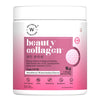 Beauty Collagen Strawberry Watermelon Flavour
₹1,939 – ₹7,196
Beauty Collagen Strawberry Watermelon Flavour
₹1,939 – ₹7,196
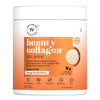 Beauty Korean Marine Collagen Peptides Mango Peach Flavour
₹1,939 – ₹7,196
Beauty Korean Marine Collagen Peptides Mango Peach Flavour
₹1,939 – ₹7,196
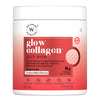 Glow Korean Marine Collagen Peptides with Liposomal Glutathione & Vitamin C | Tropical Bliss Flavour | 250g
₹1,939 – ₹7,196
Glow Korean Marine Collagen Peptides with Liposomal Glutathione & Vitamin C | Tropical Bliss Flavour | 250g
₹1,939 – ₹7,196
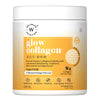 Glow Korean Marine Collagen Peptides with Liposomal Glutathione & Vitamin C | Valencia Orange Flavour | 250g
₹1,939 – ₹7,196
Glow Korean Marine Collagen Peptides with Liposomal Glutathione & Vitamin C | Valencia Orange Flavour | 250g
₹1,939 – ₹7,196
 Hair Fall Control
₹649 – ₹1,298
Hair Fall Control
₹649 – ₹1,298
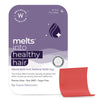 Healthy Hair
₹599 – ₹1,138
Healthy Hair
₹599 – ₹1,138
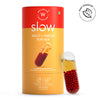 Multi + Omega for Her Slow
₹1,357 – ₹2,658
Multi + Omega for Her Slow
₹1,357 – ₹2,658
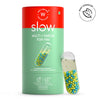 Multi + Omega for Him Slow
₹1,357 – ₹2,658
Multi + Omega for Him Slow
₹1,357 – ₹2,658
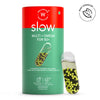 Multi + Omega 50+ Slow
₹1,357 – ₹2,658
Multi + Omega 50+ Slow
₹1,357 – ₹2,658